19:26
Government websites across Europe go offline over critical PHP flaws

17:37
Agile Robots unveils Nvidia-powered humanoid built to learn new skills

13:30
PHP warns website owners to prepare for emergency security updates

14:26
Australia prepares legal action against social media giants over under-16 ban

13:54
You can reserve Tesla’s new Roadster in the UAE for Dh210,000

18:26
Telegram launches Money, its built-in crypto wallet: Here's how it works
19:26
Government websites across Europe go offline over critical PHP flaws
17:37
Agile Robots unveils Nvidia-powered humanoid built to learn new skills
13:30
PHP warns website owners to prepare for emergency security updates
14:26
Australia prepares legal action against social media giants over under-16 ban
13:54
You can reserve Tesla’s new Roadster in the UAE for Dh210,000
18:26
Telegram launches Money, its built-in crypto wallet: Here's how it works
19:26
Government websites across Europe go offline over critical PHP flaws
17:37
Agile Robots unveils Nvidia-powered humanoid built to learn new skills
13:30
PHP warns website owners to prepare for emergency security updates
14:26
Australia prepares legal action against social media giants over under-16 ban
13:54
You can reserve Tesla’s new Roadster in the UAE for Dh210,000
18:26
Telegram launches Money, its built-in crypto wallet: Here's how it works
19:26
Government websites across Europe go offline over critical PHP flaws
17:37
Agile Robots unveils Nvidia-powered humanoid built to learn new skills
13:30
PHP warns website owners to prepare for emergency security updates
14:26
Australia prepares legal action against social media giants over under-16 ban
13:54
You can reserve Tesla’s new Roadster in the UAE for Dh210,000
18:26
Telegram launches Money, its built-in crypto wallet: Here's how it works
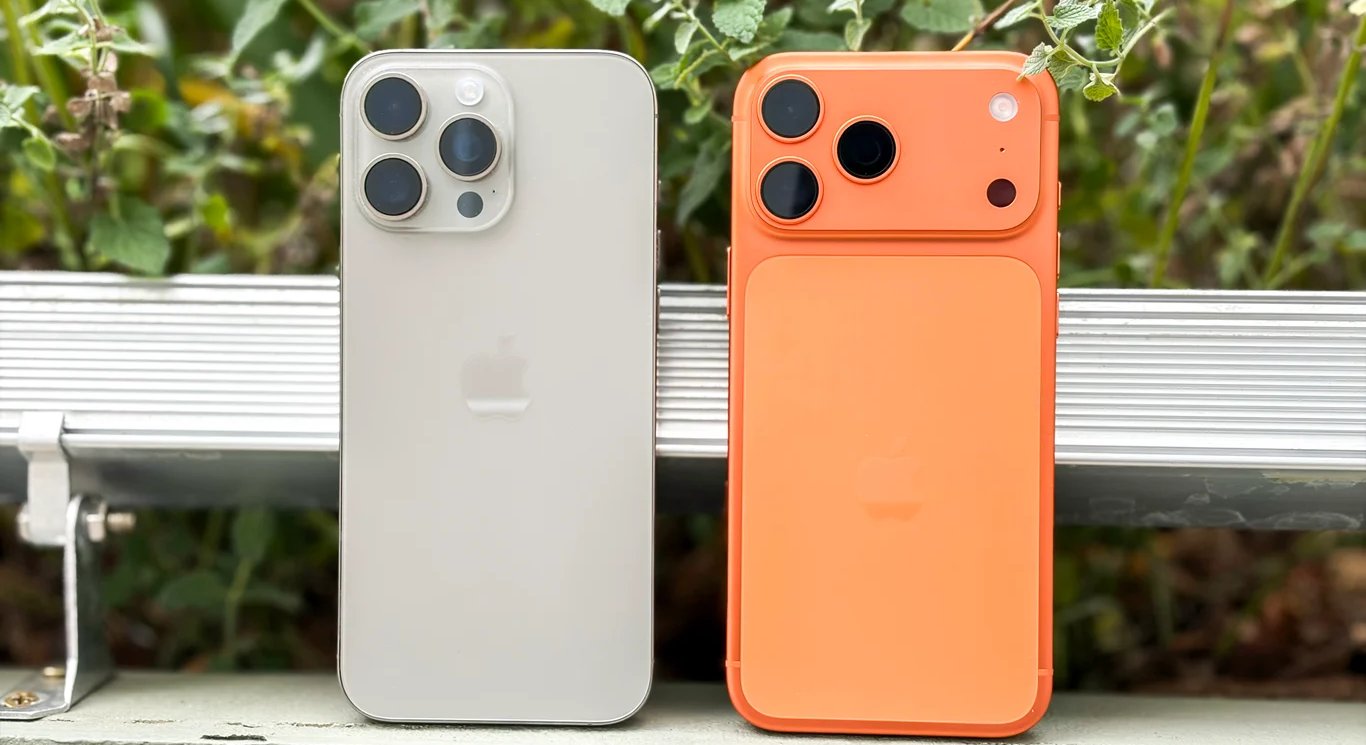
Every year Apple releases new iPhones. And every year the question “Which one should I get?” becomes harder, not easier.
The lineup keeps expanding. Prices fluctuate. Older models are still perfectly usable. And the newest devices are not always better in ways that justify the extra cost.
In 2026, the situation is especially crowded. Depending on region and retailer, you can currently find:
- iPhone 15
- iPhone 15 Plus
- iPhone 15 Pro / Pro Max
- iPhone 16
- iPhone 16e
- iPhone 16 Plus
- iPhone 16 Pro / Pro Max
- iPhone 17
- iPhone 17 Pro / Pro Max
- iPhone Air
So which one actually makes sense for most people today?
Spoiler: it’s neither the newest nor the most expensive.
What matters when choosing an iPhone in 2026
A few years ago, the lineup was simple: standard, Pro, and Pro Max. The differences were mostly about size, camera, and price.
In 2026, the picture is more complicated. Apple added the ultra-thin iPhone Air and the budget-leaning iPhone 16e. That means more choice — but also more confusion.
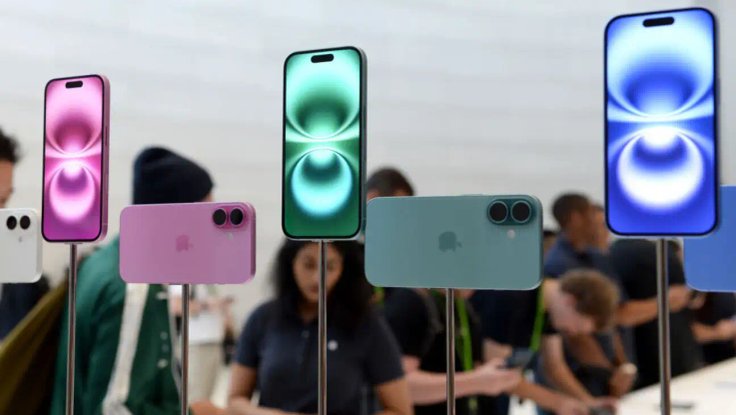
Before comparing models, it helps to keep a few things in mind:
- People keep iPhones longer. The average user upgrades every three to four years, sometimes longer. Longevity matters — in software support, battery health, camera relevance, and performance headroom.
- Generational gaps are smaller. The jump from a 2018 iPhone to a 2021 model was dramatic. The difference between iPhone 15 and iPhone 16 is far less noticeable in everyday use.
- Value beats novelty. Brand-new iPhones are expensive at launch. A year later, especially through promotions or certified refurbished programs, they often become much more compelling.
In 2026, the smarter move is rarely the newest model. It’s the best price-to-performance balance.
Performance in real life
One important point: more expensive does not mean it will last longer.
Apple’s marketing loves percentages. “20% faster.” “30% more powerful GPU.” “Twice the Neural Engine performance.” On paper, that’s true.
In daily use, however, the difference between A18, A19 and their Pro variants is subtle.
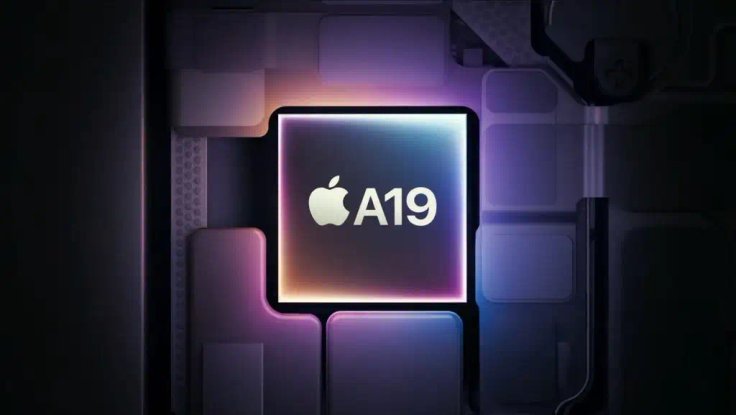
Yes, the iPhone 17 Pro is faster than the base iPhone 17 in benchmarks, video rendering, and demanding games. But if you mostly:
- scroll social media
- take photos
- watch video
- use messaging apps
- handle email
Any iPhone from the past three generations feels equally fast.
The real difference is performance headroom. Pro models simply stay “overpowered” for longer. You have to ask yourself: do you use your phone as a productivity tool that requires peak performance? Or is it an everyday device?
Cameras: where it matters and where it doesn’t
Camera upgrades are Apple’s main argument for buying Pro models. And this is where the differences can be real.
Base iPhones in recent generations already offer:
- 48MP sensors
- computational photography
- Night mode
- 4K video
For most users, that’s more than enough.
The Pro models become relevant if you:
- shoot a lot of video
- rely on optical zoom
- edit video after filming
- need more creative flexibility
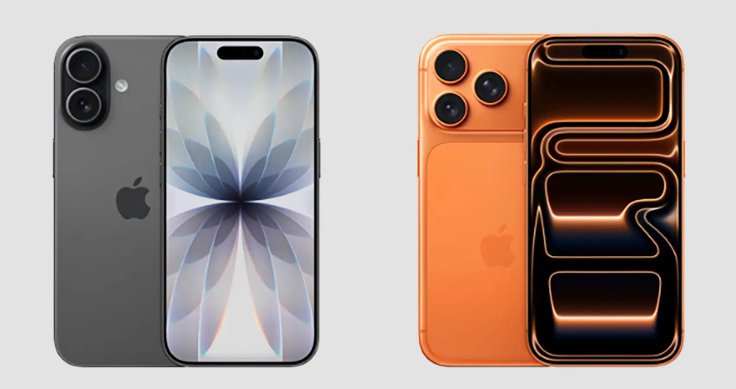
Pro models offer:
- a dedicated telephoto lens
- expanded shooting modes
- better consistency in challenging lighting
If photography is not your job or serious hobby, the Pro premium may not be justified.
Battery life: the practical factor
Strip away the marketing, and battery reality in 2026 looks like this:
- Compact models last a full active day
- Plus and Pro Max models can stretch to a day and a half
- The ultra-thin iPhone Air trades battery life for design
Physics still applies. Bigger phones fit bigger batteries. If you travel frequently, shoot a lot of video, or rely on navigation, larger models are not luxury — they’re practical.
The most balanced choice in 2026: iPhone 15 Pro
When you combine price, longevity, performance, and features, the iPhone 15 Pro stands out as the most rational choice in 2026.
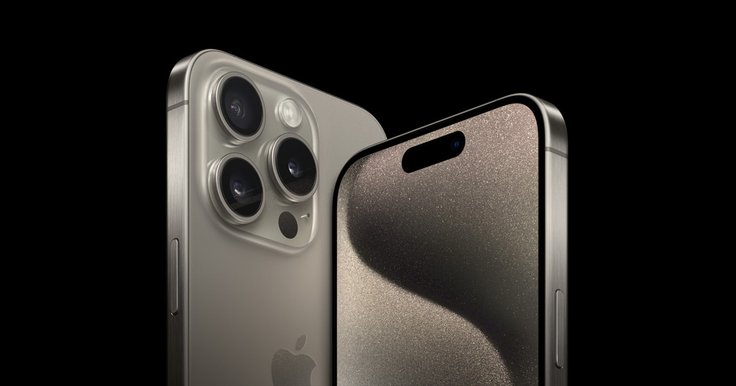
It offers:
- 120Hz ProMotion display
- Telephoto camera
- Strong performance headroom
- Compact form factor
- Titanium frame
- USB-C
By the iPhone 15 generation, Apple had already implemented most of the meaningful hardware upgrades that still matter today. The design feels modern, performance is more than sufficient, and the camera will remain relevant for years.
In the US and Europe, the iPhone 15 Pro now frequently appears with meaningful discounts through carriers, certified refurbished programs, and seasonal sales. The price gap compared to newer Pro models often does not justify the incremental gains.
For someone who wants performance without overpaying for novelty, this is the sweet spot.
What about the others?
If budget is unlimited and you simply want the latest device, the iPhone 17 Pro Max solves that question instantly.
 Gaik Dallakian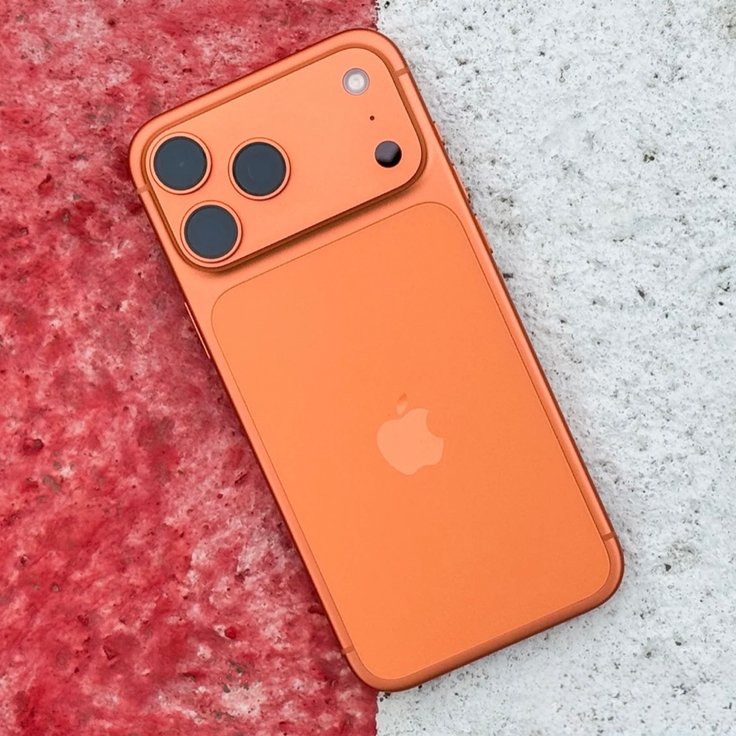
But in terms of value, the iPhone 16 Pro and 16 Pro Max take second place after the 15 Pro. They offer:
- Improved thermals
- Slightly better cameras
- Marginally better battery life
The performance gap between 15 Pro and 16 Pro is not dramatic. The price difference often is. Unless you find a strong promotion, the 15 Pro remains more balanced.
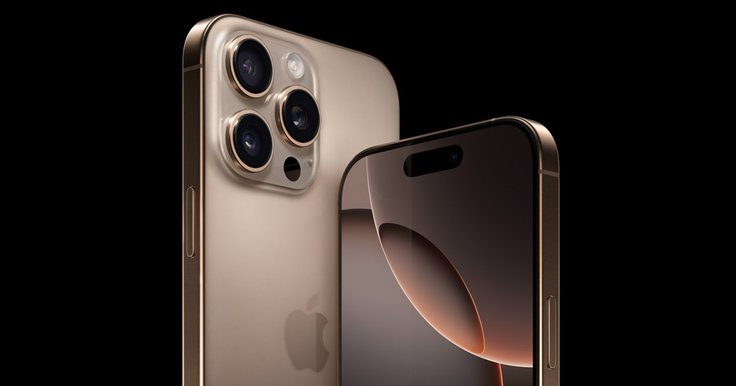
The iPhone 16e, positioned as the entry-level option, feels compromised. It lacks MagSafe, offers a 60Hz display, slower charging, and fewer camera features. It works as a first iPhone or a simple family device, but it is not the most forward-looking choice.
The iPhone Air prioritizes thinness and weight. That means smaller battery capacity and a single-camera setup with digital zoom. It looks elegant, but it is clearly a design-first device.
In short
- iPhone 15 Pro — best balance of price and capability
- iPhone 16 Pro — worth considering if discounted
- iPhone 17 Pro / Pro Max — maximum hardware, maximum price
- iPhone 16e — entry-level option
- iPhone Air — design and lightness
In 2026, choosing an iPhone is not about status or owning the newest model. It’s about reliability, longevity, and avoiding unnecessary compromises.
On those criteria, the iPhone 15 Pro remains the most sensible choice.


Editor’s pick