12:36
Anthropic launches Claude Opus 5.5 with faster coding and lower costs

11:49
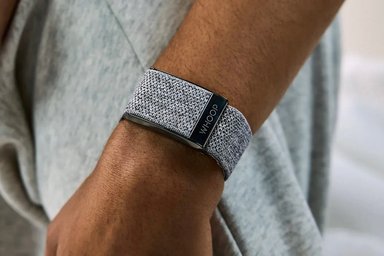
Apple is testing a screenless fitness band to take on Whoop

11:01
OpenAI launches GPT-6 Sol and Luna with lower prices and Astra-level upgrades

09:00
Microsoft cuts 268 Xbox jobs and reshuffles its biggest game studios

16:37
UAE to focus on AI’s demand for water at UNGA

14:01
Telegram tests 60 FPS video messages and new recording controls on Android
12:36
Anthropic launches Claude Opus 5.5 with faster coding and lower costs
11:49
Apple is testing a screenless fitness band to take on Whoop
11:01
OpenAI launches GPT-6 Sol and Luna with lower prices and Astra-level upgrades
09:00
Microsoft cuts 268 Xbox jobs and reshuffles its biggest game studios
16:37
UAE to focus on AI’s demand for water at UNGA
14:01
Telegram tests 60 FPS video messages and new recording controls on Android
12:36
Anthropic launches Claude Opus 5.5 with faster coding and lower costs
11:49
Apple is testing a screenless fitness band to take on Whoop
11:01
OpenAI launches GPT-6 Sol and Luna with lower prices and Astra-level upgrades
09:00
Microsoft cuts 268 Xbox jobs and reshuffles its biggest game studios
16:37
UAE to focus on AI’s demand for water at UNGA
14:01
Telegram tests 60 FPS video messages and new recording controls on Android
12:36
Anthropic launches Claude Opus 5.5 with faster coding and lower costs
11:49
Apple is testing a screenless fitness band to take on Whoop
11:01
OpenAI launches GPT-6 Sol and Luna with lower prices and Astra-level upgrades
09:00
Microsoft cuts 268 Xbox jobs and reshuffles its biggest game studios
16:37
UAE to focus on AI’s demand for water at UNGA
14:01
Telegram tests 60 FPS video messages and new recording controls on Android

Nearly ten years have passed since Pokémon Go allowed users to find virtual objects in the real world, and it has now emerged that catching digital creatures could help delivery robots deliver orders faster.
This week, Niantic Spatial announced a partnership with Coco Robotics, a company that produces robots for short-distance food delivery.
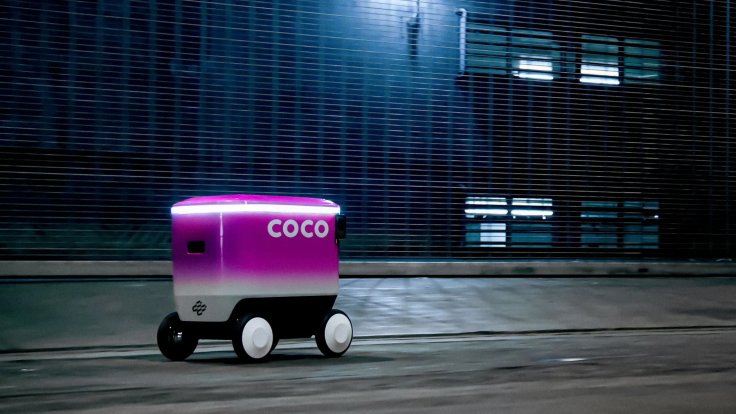
The robots will move through streets using Niantic’s Visual Positioning System (VPS), which determines location with accuracy of a few centimeters by analyzing nearby buildings and landmarks.
The VPS system was trained on more than 30 billion images captured by Pokémon Go players. Developers say it will help robots navigate better in places where GPS is ineffective.
“It turns out that getting Pikachu to realistically run around and getting Coco’s robot to safely and accurately move through the world is actually the same problem,” said Niantic Spatial CEO John Hanke in an interview with MIT Technology Review.
Unlike GPS, which relies on satellites, VPS determines location based on the surrounding environment. Pokémon Go became a particularly useful source of data because players had to travel to different places and point their cameras at objects from different angles. The collected data made it possible to create 3D models of objects, which became the foundation for training VPS.
Niantic and Coco are betting that Pokémon Go data will help delivery robots accurately determine their location simply by looking at landmarks. While many autonomous robots rely on GPS, the satellite system is not always reliable. Delivery robots often got lost and struggled with tasks such as crossing roads. Unstable GPS performance can occur not only in remote areas but also in dense cities with tall buildings. Coco’s idea is for robots to use VPS and four cameras to obtain more precise information about their surroundings.







Editor’s pick