19:26
Government websites across Europe go offline over critical PHP flaws

17:37
Agile Robots unveils Nvidia-powered humanoid built to learn new skills

13:30
PHP warns website owners to prepare for emergency security updates

14:26
Australia prepares legal action against social media giants over under-16 ban

13:54
You can reserve Tesla’s new Roadster in the UAE for Dh210,000

18:26
Telegram launches Money, its built-in crypto wallet: Here's how it works
19:26
Government websites across Europe go offline over critical PHP flaws
17:37
Agile Robots unveils Nvidia-powered humanoid built to learn new skills
13:30
PHP warns website owners to prepare for emergency security updates
14:26
Australia prepares legal action against social media giants over under-16 ban
13:54
You can reserve Tesla’s new Roadster in the UAE for Dh210,000
18:26
Telegram launches Money, its built-in crypto wallet: Here's how it works
19:26
Government websites across Europe go offline over critical PHP flaws
17:37
Agile Robots unveils Nvidia-powered humanoid built to learn new skills
13:30
PHP warns website owners to prepare for emergency security updates
14:26
Australia prepares legal action against social media giants over under-16 ban
13:54
You can reserve Tesla’s new Roadster in the UAE for Dh210,000
18:26
Telegram launches Money, its built-in crypto wallet: Here's how it works
19:26
Government websites across Europe go offline over critical PHP flaws
17:37
Agile Robots unveils Nvidia-powered humanoid built to learn new skills
13:30
PHP warns website owners to prepare for emergency security updates
14:26
Australia prepares legal action against social media giants over under-16 ban
13:54
You can reserve Tesla’s new Roadster in the UAE for Dh210,000
18:26
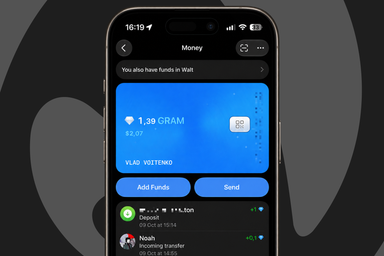
Telegram launches Money, its built-in crypto wallet: Here's how it works


Telegram founder Pavel Durov criticized attempts to cite China’s WeChat as an argument for blocking Telegram and forcing Russians to switch to an alternative messaging app.
According to Durov, WeChat was never appointed a “national messenger” nor imposed through administrative measures. He argues that the app became the market leader in the early 2010s through open competition, offering Chinese users a superior product among dozens of local and international alternatives.
“It became the absolute leader in the free competitive market of the early 2010s, offering Chinese users the best service among dozens of contenders, including international messengers like WhatsApp, which were available at the time without restrictions,” Durov said.
He maintains that government services were integrated into WeChat only after the app had already secured a dominant position. Durov drew parallels with other local market leaders such as KakaoTalk in South Korea and LINE in Japan, which, according to him, also rose without blocking foreign competitors or administrative backing.
“Attempts to impose a service through directives have no successful precedents in global practice,” he said, adding that the three leading local messengers achieved dominance through market competition rather than government designation.
However, the discussion did not end there. On X, users challenged Durov’s claim that WeChat’s growth was entirely market-driven. Durov reiterated that from its launch in 2011, WeChat competed with both domestic and international apps, and that WhatsApp was only blocked in China in 2017 — by which point WeChat had already secured a dominant market share “in fair and open competition,” he emphasized.
In response, one user asked X’s built-in chatbot Grok whether Tencent, WeChat’s parent company, had received government financial support and whether it shared user data with Chinese authorities. Grok’s reply added nuance to the debate:
WeChat's parent, Tencent, benefited from government support for e-commerce during China's 12th five-year plan (2011–2015), aiding features like payments.
Earlier, Durov’s Code exclusively reported on why the planned Telegram–Grok integration did not take place:
 Daria Ivanova







Editor’s pick