19:26
Government websites across Europe go offline over critical PHP flaws

17:37
Agile Robots unveils Nvidia-powered humanoid built to learn new skills

13:30
PHP warns website owners to prepare for emergency security updates

14:26
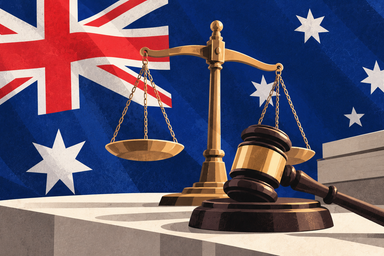
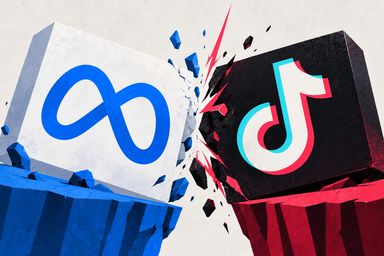
Australia prepares legal action against social media giants over under-16 ban

13:54
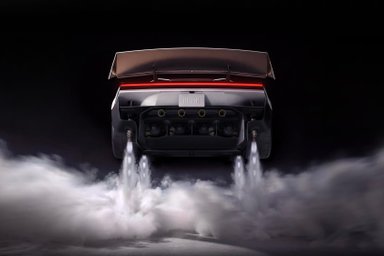
You can reserve Tesla’s new Roadster in the UAE for Dh210,000

18:26
Telegram launches Money, its built-in crypto wallet: Here's how it works
19:26
Government websites across Europe go offline over critical PHP flaws
17:37
Agile Robots unveils Nvidia-powered humanoid built to learn new skills
13:30
PHP warns website owners to prepare for emergency security updates
14:26
Australia prepares legal action against social media giants over under-16 ban
13:54
You can reserve Tesla’s new Roadster in the UAE for Dh210,000
18:26
Telegram launches Money, its built-in crypto wallet: Here's how it works
19:26
Government websites across Europe go offline over critical PHP flaws
17:37
Agile Robots unveils Nvidia-powered humanoid built to learn new skills
13:30
PHP warns website owners to prepare for emergency security updates
14:26
Australia prepares legal action against social media giants over under-16 ban
13:54
You can reserve Tesla’s new Roadster in the UAE for Dh210,000
18:26
Telegram launches Money, its built-in crypto wallet: Here's how it works
19:26
Government websites across Europe go offline over critical PHP flaws
17:37
Agile Robots unveils Nvidia-powered humanoid built to learn new skills
13:30
PHP warns website owners to prepare for emergency security updates
14:26
Australia prepares legal action against social media giants over under-16 ban
13:54
You can reserve Tesla’s new Roadster in the UAE for Dh210,000
18:26
Telegram launches Money, its built-in crypto wallet: Here's how it works

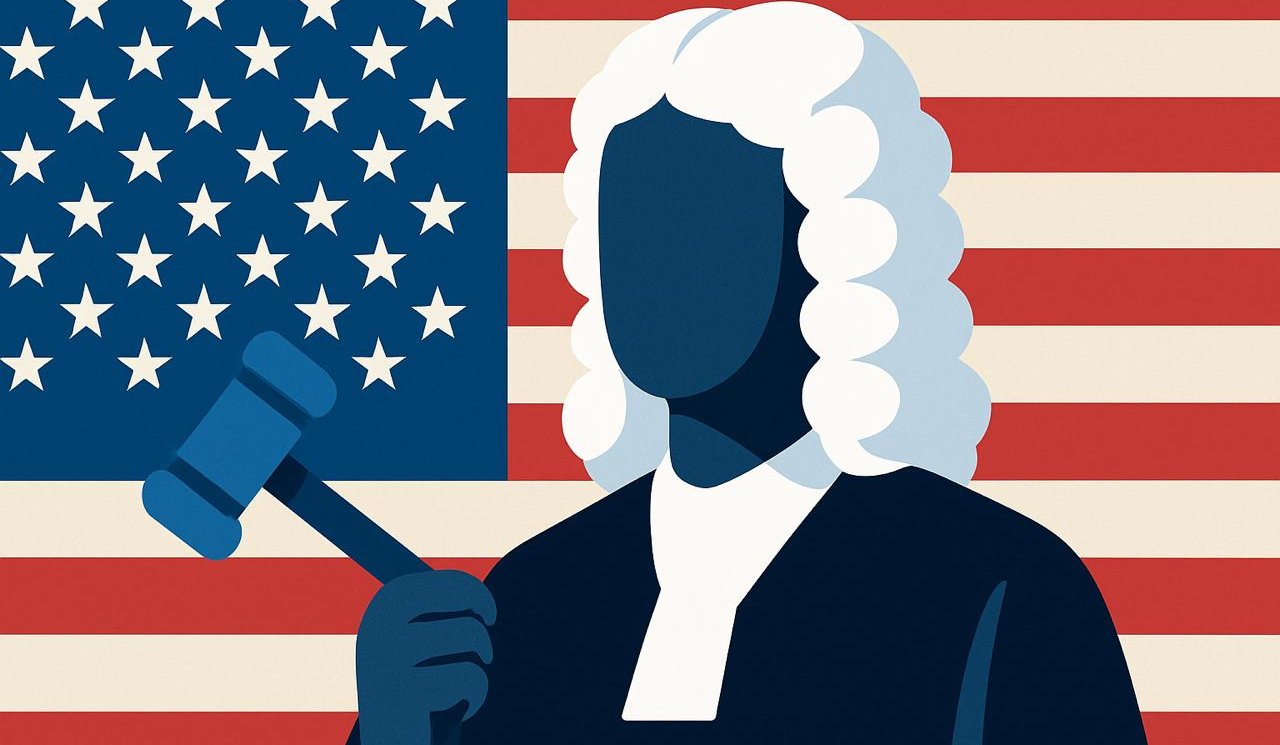
The U.S. Supreme Court has declined to consider whether works created by artificial intelligence can receive copyright protection, Reuters reports.
The case stemmed from a Missouri-based computer scientist who was denied copyright registration for a work generated by his AI system.
Plaintiff Stephen Thaler appealed to the Supreme Court after lower courts sided with the U.S. Copyright Office, which ruled the work ineligible for protection due to the absence of a human author.
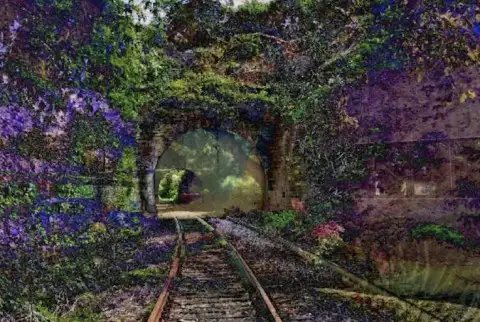
In 2018, Thaler filed for copyright registration of the visual work Recent Entrance to Paradise, allegedly created independently by his AI system DABUS. The image depicts railway tracks leading into a portal set against green and purple vegetation.
In 2022, the Copyright Office rejected the application, stating that creative works must have a human author. In 2023, a federal court in Washington upheld the decision, calling human authorship a “bedrock requirement of copyright,” and in 2025 the D.C. Circuit Court of Appeals agreed.
The administration of President Donald Trump urged the Supreme Court not to take up the appeal. According to its position, although the Copyright Act does not explicitly define the term “author,” numerous provisions clearly imply a human creator rather than a machine.
Previously, the Copyright Office also rejected applications from other artists seeking protection for images generated with Midjourney. Unlike Thaler, those artists argued they had co-created the works with AI rather than granting it full creative control.




Editor’s pick