14:26
Australia prepares legal action against social media giants over under-16 ban

13:54
You can reserve Tesla’s new Roadster in the UAE for Dh210,000

12:49
Is AI getting out of control? Kaspersky on the risks that matter

18:26
Telegram launches Money, its built-in crypto wallet: Here's how it works

15:05
Telegram Desktop vulnerability allowed attackers to steal files with one click

12:33
Anthropic will ban repeated abuse of Claude under new usage rules
14:26
Australia prepares legal action against social media giants over under-16 ban
13:54
You can reserve Tesla’s new Roadster in the UAE for Dh210,000
12:49
Is AI getting out of control? Kaspersky on the risks that matter
18:26
Telegram launches Money, its built-in crypto wallet: Here's how it works
15:05
Telegram Desktop vulnerability allowed attackers to steal files with one click
12:33
Anthropic will ban repeated abuse of Claude under new usage rules
14:26
Australia prepares legal action against social media giants over under-16 ban
13:54
You can reserve Tesla’s new Roadster in the UAE for Dh210,000
12:49
Is AI getting out of control? Kaspersky on the risks that matter
18:26
Telegram launches Money, its built-in crypto wallet: Here's how it works
15:05
Telegram Desktop vulnerability allowed attackers to steal files with one click
12:33
Anthropic will ban repeated abuse of Claude under new usage rules
14:26
Australia prepares legal action against social media giants over under-16 ban
13:54
You can reserve Tesla’s new Roadster in the UAE for Dh210,000
12:49
Is AI getting out of control? Kaspersky on the risks that matter
18:26
Telegram launches Money, its built-in crypto wallet: Here's how it works
15:05
Telegram Desktop vulnerability allowed attackers to steal files with one click
12:33
Anthropic will ban repeated abuse of Claude under new usage rules
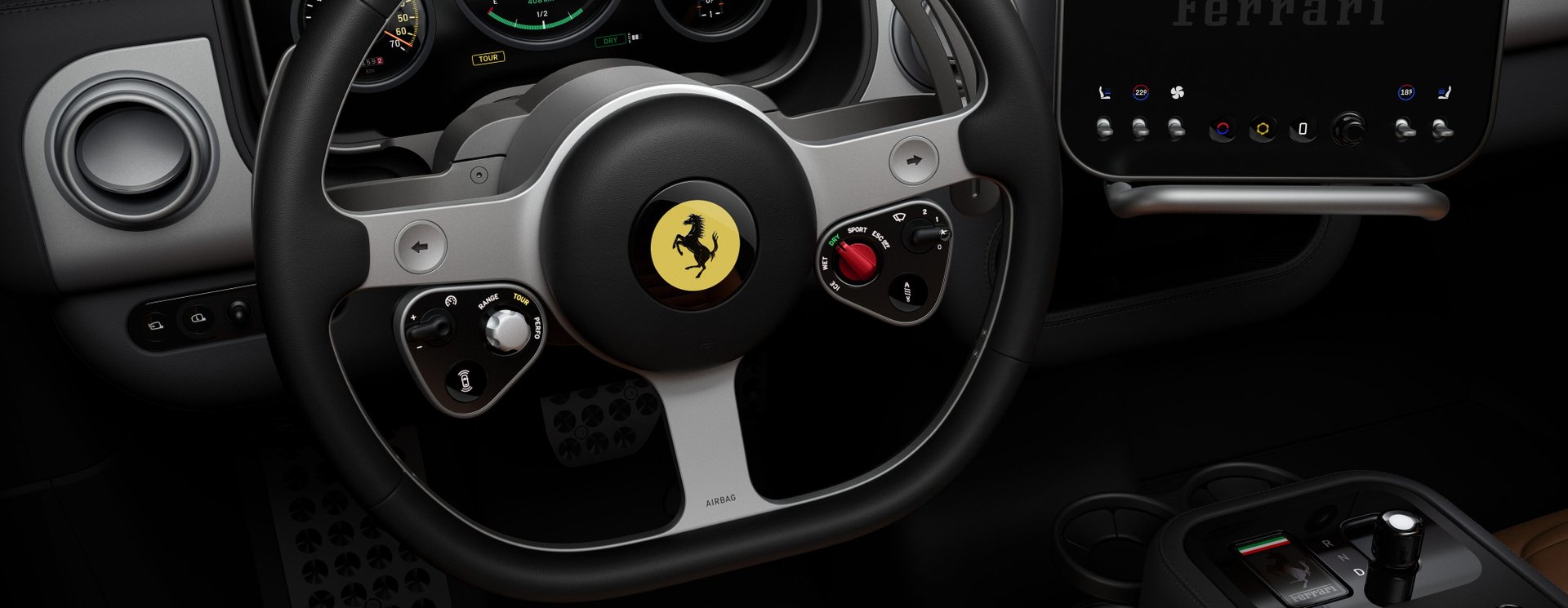
Ferrari has revealed the official name and interior of its first fully electric car, Luce.
The project was developed in collaboration with LoveFrom, the design studio led by former Apple chief designer Jony Ive and Marc Newson. The interior presentation marks the second phase of the model’s launch, while the exterior design will be unveiled in May 2026.
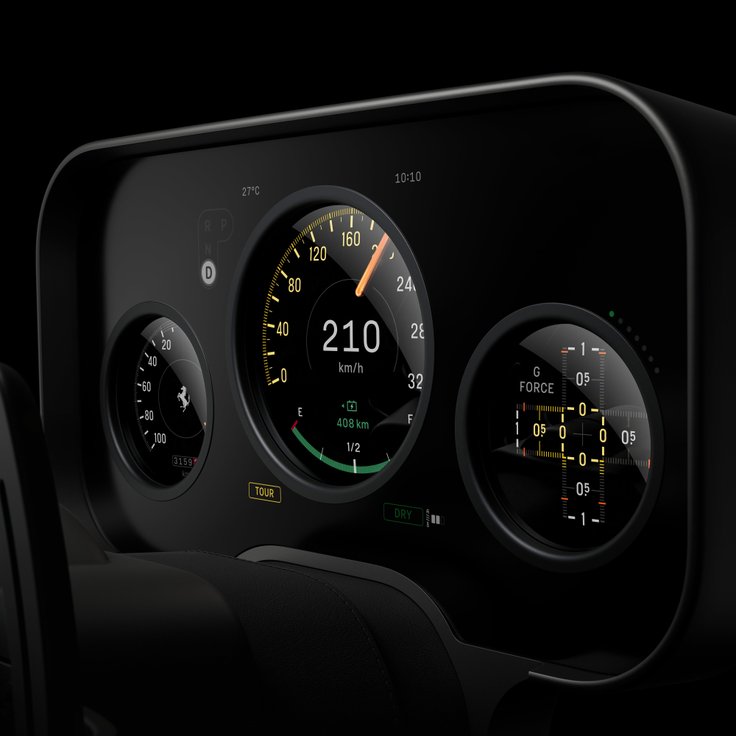
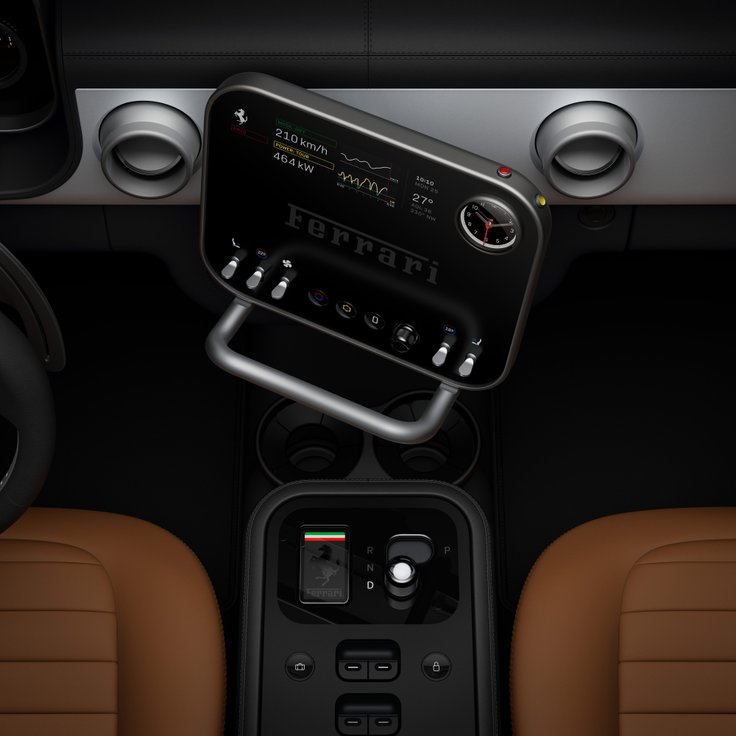
At the core of the interface is a human-centric philosophy and a deliberate return to physical controls. Ferrari chose to move away from touchscreen dominance in favor of tactile mechanical elements, aiming to reduce driver distraction and cognitive load.
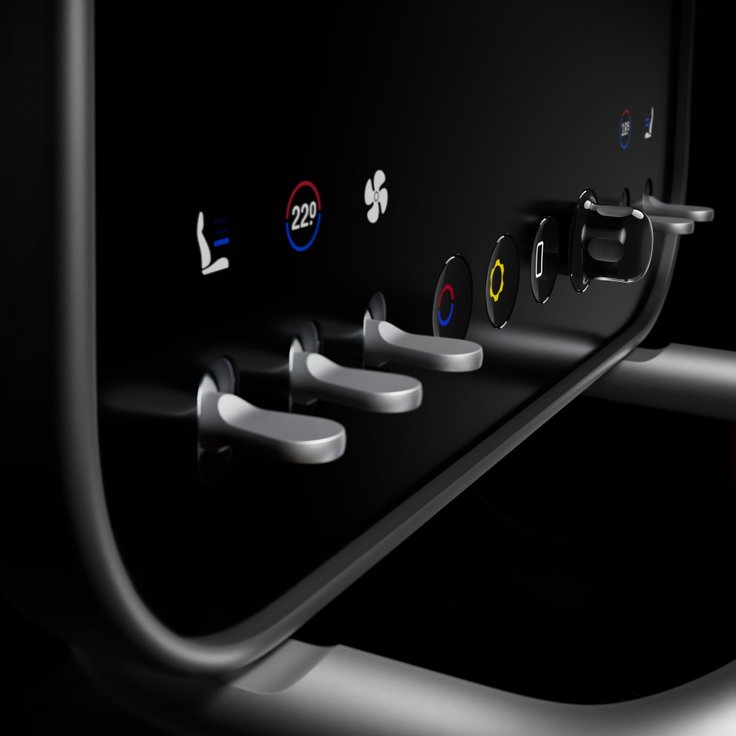
- The 12.86-inch main instrument cluster uses OLED technology for deep blacks and high contrast.
- The gauge design draws inspiration from classic Veglia and Jaeger dials found in vintage Ferrari models and aircraft.
- The speedometer needle is a physical anodized aluminum element illuminated by 15 integrated LEDs.
- The 10.12-inch central display is mounted on a hinge, allowing it to pivot toward either the driver or passenger.
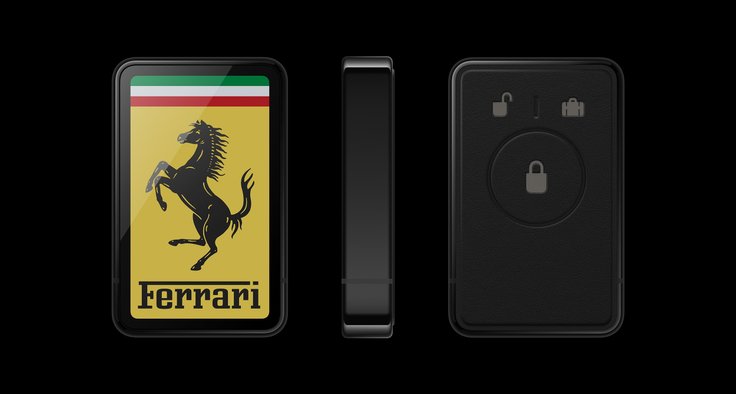
- The signature key, when placed in its magnetic dock, changes the background color from yellow to black using e-ink technology.
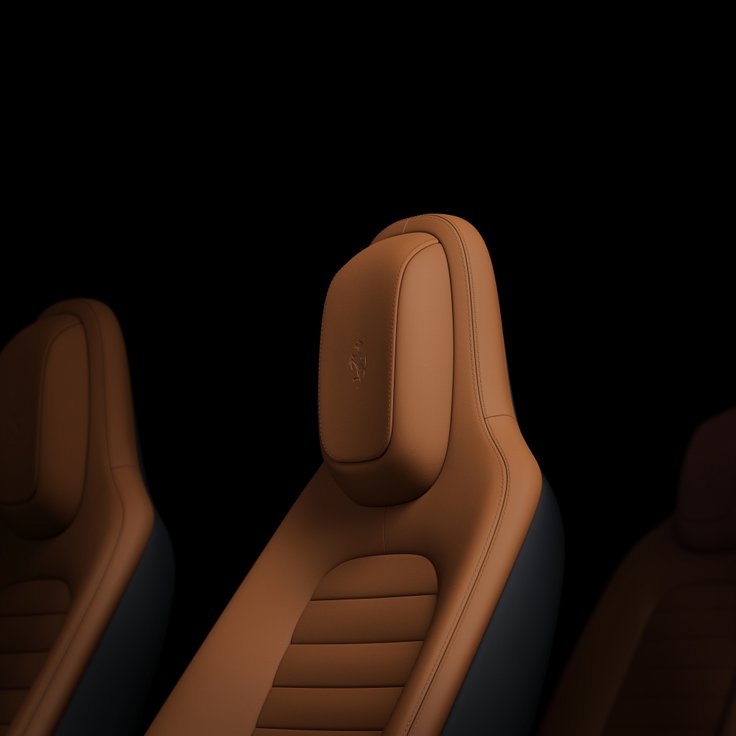
Plastic has been eliminated from the interior. Instead, Ferrari uses 100% recycled aluminum, including 19 components within the steering wheel and elements of the dashboard.
The center console is protected by Corning’s chemically strengthened Fusion5 glass, featuring 13,000 laser-etched microperforations for graphic illumination.
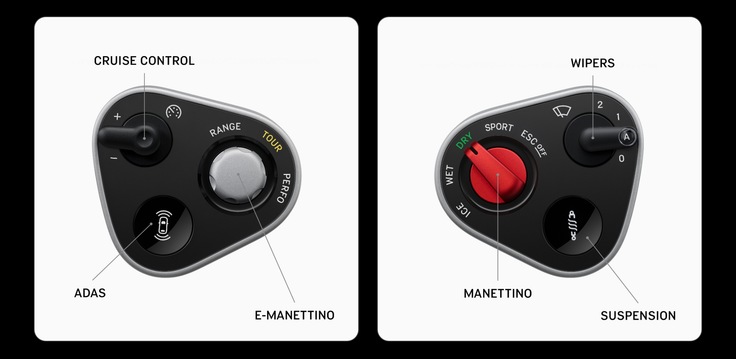
On the technical side, Luce is expected to deliver over 1,000 horsepower. Updated physical Manettino switches on the steering wheel control driving modes such as Range, Tour and Performance, along with chassis settings.
Ferrari says the goal of working with LoveFrom was to create a timeless design that avoids the rapid technological obsolescence often associated with consumer electronics.






Editor’s pick