15:05
Telegram Desktop vulnerability allowed attackers to steal files with one click

12:33
Anthropic will ban repeated abuse of Claude under new usage rules

12:02
Apple could unveil its first touchscreen MacBook Pro on October 27

11:46
Meta bans TikTok ads on Facebook and Instagram in seven countries

11:25
Apple reportedly cuts iPhone 18 Pro orders just weeks after launch

10:59
Telegram 13.0 arrives with a redesigned interface and major Wallet changes
15:05
Telegram Desktop vulnerability allowed attackers to steal files with one click
12:33
Anthropic will ban repeated abuse of Claude under new usage rules
12:02
Apple could unveil its first touchscreen MacBook Pro on October 27
11:46
Meta bans TikTok ads on Facebook and Instagram in seven countries
11:25
Apple reportedly cuts iPhone 18 Pro orders just weeks after launch
10:59
Telegram 13.0 arrives with a redesigned interface and major Wallet changes
15:05
Telegram Desktop vulnerability allowed attackers to steal files with one click
12:33
Anthropic will ban repeated abuse of Claude under new usage rules
12:02
Apple could unveil its first touchscreen MacBook Pro on October 27
11:46
Meta bans TikTok ads on Facebook and Instagram in seven countries
11:25
Apple reportedly cuts iPhone 18 Pro orders just weeks after launch
10:59
Telegram 13.0 arrives with a redesigned interface and major Wallet changes
15:05
Telegram Desktop vulnerability allowed attackers to steal files with one click
12:33
Anthropic will ban repeated abuse of Claude under new usage rules
12:02
Apple could unveil its first touchscreen MacBook Pro on October 27
11:46
Meta bans TikTok ads on Facebook and Instagram in seven countries
11:25
Apple reportedly cuts iPhone 18 Pro orders just weeks after launch
10:59
Telegram 13.0 arrives with a redesigned interface and major Wallet changes


OpenAI has announced the research version of its new AI agent, Operator, designed to perform online tasks on behalf of users.
Operator can search for flights, find products, and interact with web pages using text input, clicks, and scrolling. Powered by the Computer-Using Agent model, it combines GPT-4o capabilities with UI interaction training. The agent analyzes web page code and interacts with interfaces by simulating virtual mouse and keyboard actions, eliminating the need for API integration.
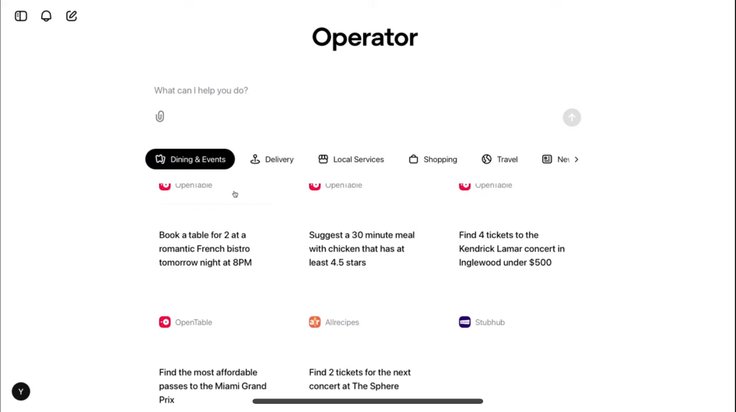
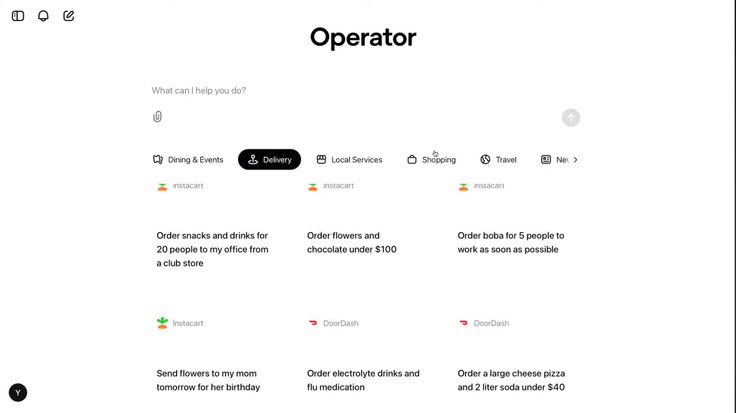
Operator is equipped with self-correction features and can hand control back to the user if it encounters challenges. It requests permission before entering sensitive data, such as passwords or sending emails, and rejects malicious requests to ensure user security.
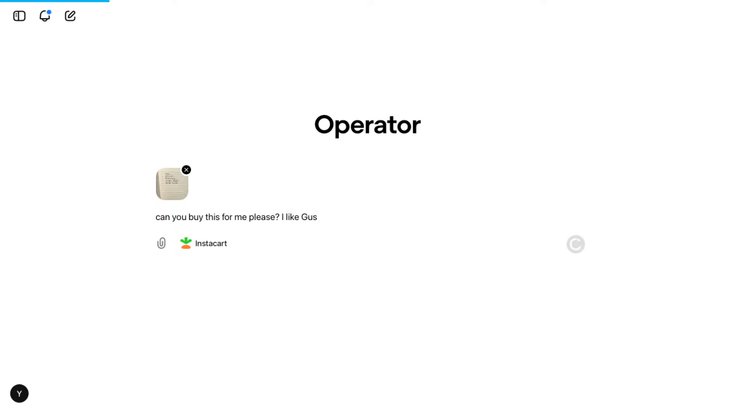
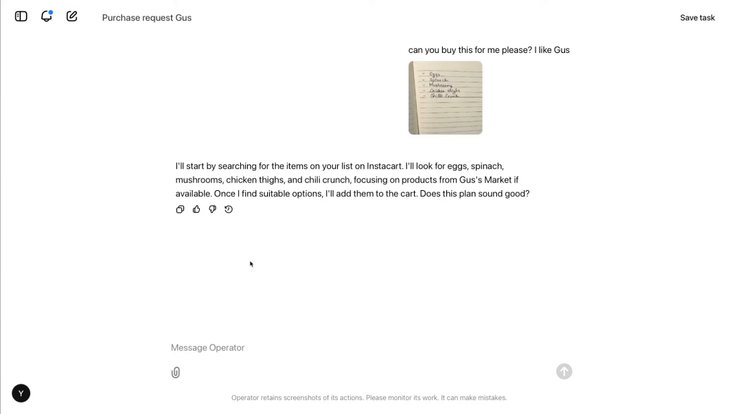
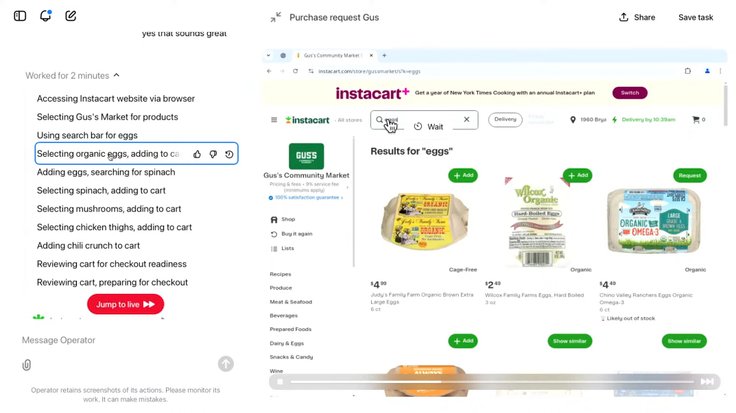
Currently, the tool is available exclusively in the U.S. for ChatGPT Pro subscribers at $200 per month. OpenAI plans to roll it out to Plus-tier users in the coming weeks.
Industry operators say the bigger impact may be on how enterprises finally deploy AI across messy, UI-driven workflows.
“Interface-first agents like Operator mark the next era of LLM adoption because they finally let AI work through real user interfaces instead of waiting for every system to expose perfect APIs. Despite the hype around generative AI, enterprise adoption still stalls in most organizations, largely because their IT landscapes are fragmented, full of custom tools, manual data flows, and missing or unreliable integrations. Traditional LLM pilots are almost designed to fail in that environment: the models need structured data, clear actions, and stable endpoints, and enterprises often have none of that at scale. By allowing agents to click, type, and navigate software the way employees do, tools like this give AI a pragmatic way to ‘plug into’ existing workflows without a multi-year systems redesign.
As models improve at handling long, multi-step tasks and UI quirks, and as similar agents become available on-prem and via open source, we will start seeing truly autonomous workflows deployed in days, not months. For white-collar productivity, that could be a step change: not just smarter copilots, but digital workers that can actually operate inside today’s messy, real-world enterprise environments,” said Andrew Persh, Head of Go-To-Market at Lionsoul Global and former Engagement Manager at McKinsey.








Editor’s pick