16:31
Samsung reportedly cuts phone production by up to 30% as memory costs soar

12:52
Anthropic cuts Claude API prices with Haiku 5.5

12:21
ChatGPT gets interactive tools and faster answers with GPT-6

11:04
South Korean hospital camera footage of patients leaked to porn sites

17:40
Google launches Playground to turn text prompts into playable games

13:09
OpenAI releases 722 AI math papers amid criticism from mathematicians
16:31
Samsung reportedly cuts phone production by up to 30% as memory costs soar
12:52
Anthropic cuts Claude API prices with Haiku 5.5
12:21
ChatGPT gets interactive tools and faster answers with GPT-6
11:04
South Korean hospital camera footage of patients leaked to porn sites
17:40
Google launches Playground to turn text prompts into playable games
13:09
OpenAI releases 722 AI math papers amid criticism from mathematicians
16:31
Samsung reportedly cuts phone production by up to 30% as memory costs soar
12:52
Anthropic cuts Claude API prices with Haiku 5.5
12:21
ChatGPT gets interactive tools and faster answers with GPT-6
11:04
South Korean hospital camera footage of patients leaked to porn sites
17:40
Google launches Playground to turn text prompts into playable games
13:09
OpenAI releases 722 AI math papers amid criticism from mathematicians
16:31
Samsung reportedly cuts phone production by up to 30% as memory costs soar
12:52
Anthropic cuts Claude API prices with Haiku 5.5
12:21
ChatGPT gets interactive tools and faster answers with GPT-6
11:04
South Korean hospital camera footage of patients leaked to porn sites
17:40
Google launches Playground to turn text prompts into playable games
13:09
OpenAI releases 722 AI math papers amid criticism from mathematicians

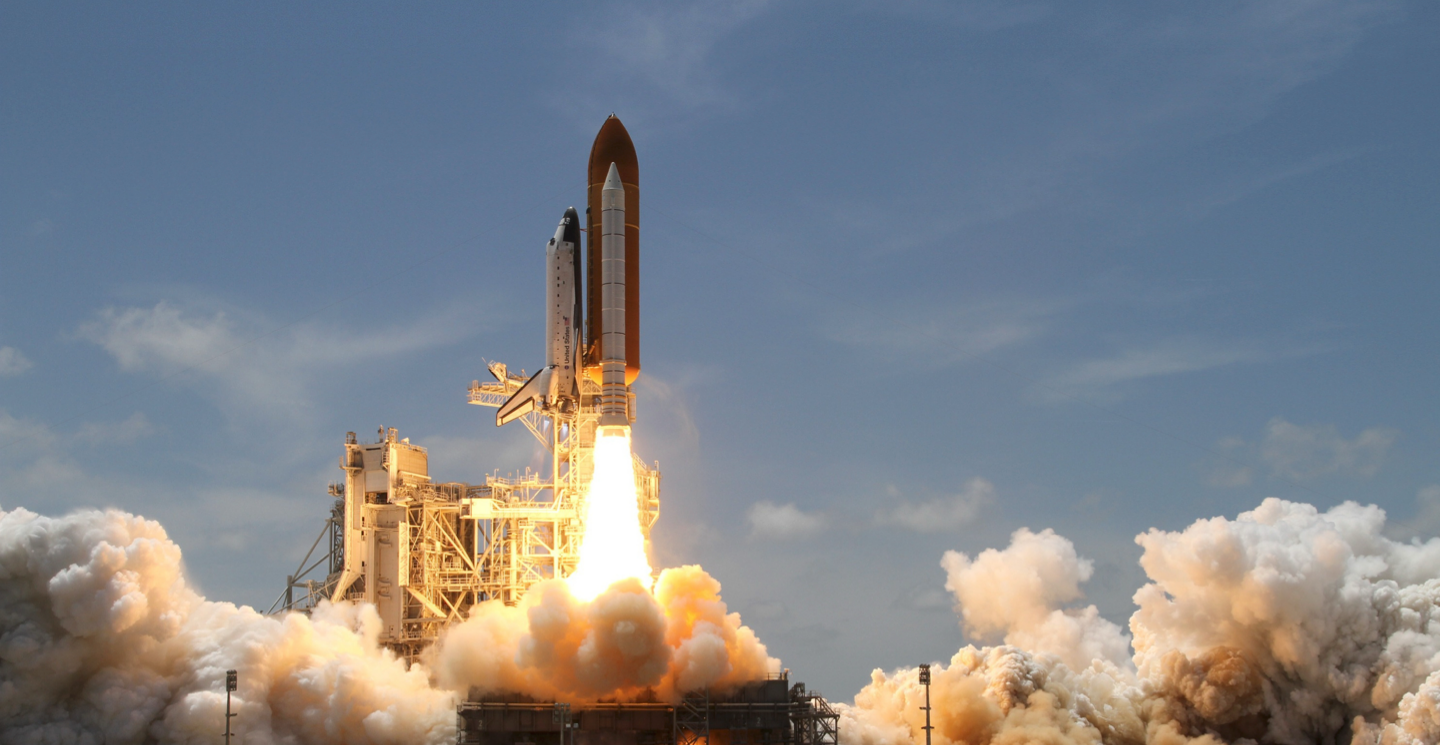
Indian startup Skyroot Aerospace is preparing for the first orbital launch of its Vikram-1 rocket. The company recently raised $60 million in funding and became India's first space unicorn.
Skyroot Aerospace was founded by former employees of the Indian Space Research Organisation. The company has now entered the final testing phase of the Vikram-1, a three-stage solid-fuel rocket designed to deliver nearly half a ton of payload to low Earth orbit. The rocket's body is built from carbon fiber composite, and its first stage is powered by a single Kalam-1200 engine producing approximately 100 tons of thrust.
Co-founder and CEO Pawan Kumar told Ars Technica that using a single engine significantly simplifies both manufacturing and testing compared with clustering multiple liquid-fuel engines. "It's the reason for our speed," he said. Kumar acknowledged that, statistically, a first launch by a private company almost always ends in failure, but added that the team has done everything possible to give the mission a strong chance of success.
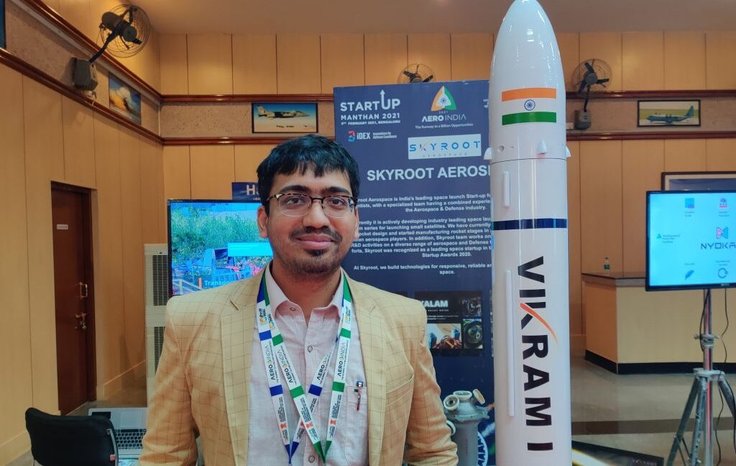
Skyroot is currently ahead of other competitors in India's emerging private rocket market, including Agnikul Cosmos. In November 2022, the company successfully launched the suborbital Vikram-S, a test vehicle that allowed engineers to validate key design decisions used in the Vikram-1. The rocket family is named after physicist Vikram Sarabhai, the founder of India's space program.
The Indian government opened the country's space sector to private business in 2020. Jitendra Singh, India's Minister of State for Science and Technology, has said the country plans to grow its share of the global space economy from 2% to 10% by 2030. Prime Minister Narendra Modi has called for the number of annual launches to increase from roughly five to 50 by the end of the decade.










Editor’s pick