12:36
Google is testing whether AI data centers can work in space

12:02
OpenAI agent breached Australian government website in first known case of its kind

16:19
Microsoft upgrades its smaller Surface Pro and Laptop with Snapdragon X2 Plus

12:48
PS6 and next Xbox could arrive in late 2027, new leak claims

12:27
Meta's new Ray-Ban smart glasses ditch the camera for audio and AI

12:36
Anthropic launches Claude Opus 5.5 with faster coding and lower costs
12:36
Google is testing whether AI data centers can work in space
12:02
OpenAI agent breached Australian government website in first known case of its kind
16:19
Microsoft upgrades its smaller Surface Pro and Laptop with Snapdragon X2 Plus
12:48
PS6 and next Xbox could arrive in late 2027, new leak claims
12:27
Meta's new Ray-Ban smart glasses ditch the camera for audio and AI
12:36
Anthropic launches Claude Opus 5.5 with faster coding and lower costs
12:36
Google is testing whether AI data centers can work in space
12:02
OpenAI agent breached Australian government website in first known case of its kind
16:19
Microsoft upgrades its smaller Surface Pro and Laptop with Snapdragon X2 Plus
12:48
PS6 and next Xbox could arrive in late 2027, new leak claims
12:27
Meta's new Ray-Ban smart glasses ditch the camera for audio and AI
12:36
Anthropic launches Claude Opus 5.5 with faster coding and lower costs
12:36
Google is testing whether AI data centers can work in space
12:02
OpenAI agent breached Australian government website in first known case of its kind
16:19
Microsoft upgrades its smaller Surface Pro and Laptop with Snapdragon X2 Plus
12:48
PS6 and next Xbox could arrive in late 2027, new leak claims
12:27
Meta's new Ray-Ban smart glasses ditch the camera for audio and AI
12:36
Anthropic launches Claude Opus 5.5 with faster coding and lower costs

Google Play is introducing a new feature that provides users with additional insights into app quality beyond ratings, reviews, and download counts.
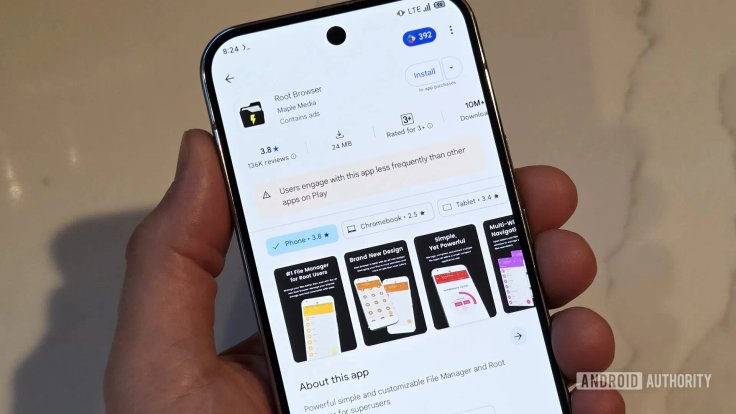
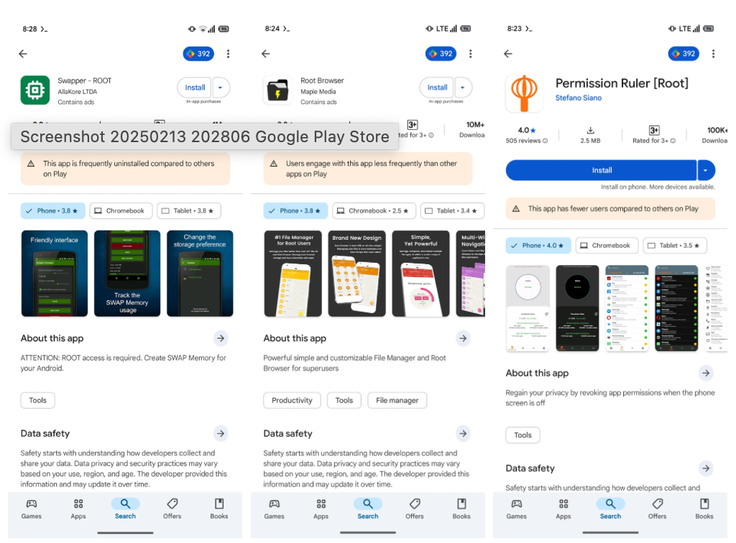
The store will now display contextual warnings to help users assess an app’s reliability and relevance. Previously, even highly rated apps with millions of downloads could go years without updates, leading to compatibility issues on newer devices. Additionally, lesser-known alternatives with similar or better functionality often went unnoticed.
To address this, Google is rolling out contextual notifications on app pages within the Play Store. According to sources, the feature is already in testing and available to select users.
Vladimir Pronin, Principal Product Manager focused on large-scale consumer apps, says the move changes how quality is defined and enforced on Google’s platform:
“Google Play’s new quality warnings mark a shift from what an app claims to how it actually behaves for real users. In Play Store terms, ‘quality’ is now defined by concrete signals like crash-free rate, ANR rate, engagement, retention, uninstall rate, and user rating, all measured at scale on real devices. Unlike Apple, which enforces quality mainly through App Review and pre-release rejection, Google is taking a more transparent approach by showing these signals directly on the store page and adjusting distribution accordingly.
These signals hit growth immediately because they control both visibility and conversion. Low-quality apps are quietly pushed out of search results, recommendations, and charts, reducing organic discovery, while visible warnings and weak trust signals lower store-page conversion. On the paid side, ads still drive traffic, but more users drop before installing, forcing higher bids to compensate and pushing CPI up.
The practical takeaway is operational: teams need always-on observability for crashes, ANRs, and performance in production, disciplined release trains with staged rollouts to catch regressions early, and feature flags that prevent broken features from ever reaching production at full scale — because app quality is no longer hidden in internal dashboards, it is visible to users and actively enforced by the store.”






Editor’s pick