19:26
Government websites across Europe go offline over critical PHP flaws

17:37
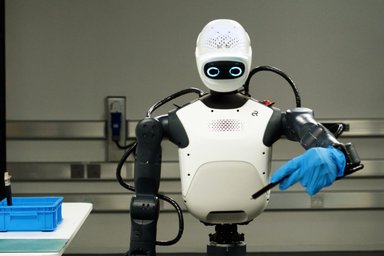
Agile Robots unveils Nvidia-powered humanoid built to learn new skills

13:30
PHP warns website owners to prepare for emergency security updates

14:26
Australia prepares legal action against social media giants over under-16 ban

13:54
You can reserve Tesla’s new Roadster in the UAE for Dh210,000

18:26
Telegram launches Money, its built-in crypto wallet: Here's how it works
19:26
Government websites across Europe go offline over critical PHP flaws
17:37
Agile Robots unveils Nvidia-powered humanoid built to learn new skills
13:30
PHP warns website owners to prepare for emergency security updates
14:26
Australia prepares legal action against social media giants over under-16 ban
13:54
You can reserve Tesla’s new Roadster in the UAE for Dh210,000
18:26
Telegram launches Money, its built-in crypto wallet: Here's how it works
19:26
Government websites across Europe go offline over critical PHP flaws
17:37
Agile Robots unveils Nvidia-powered humanoid built to learn new skills
13:30
PHP warns website owners to prepare for emergency security updates
14:26
Australia prepares legal action against social media giants over under-16 ban
13:54
You can reserve Tesla’s new Roadster in the UAE for Dh210,000
18:26
Telegram launches Money, its built-in crypto wallet: Here's how it works
19:26
Government websites across Europe go offline over critical PHP flaws
17:37
Agile Robots unveils Nvidia-powered humanoid built to learn new skills
13:30
PHP warns website owners to prepare for emergency security updates
14:26
Australia prepares legal action against social media giants over under-16 ban
13:54
You can reserve Tesla’s new Roadster in the UAE for Dh210,000
18:26
Telegram launches Money, its built-in crypto wallet: Here's how it works

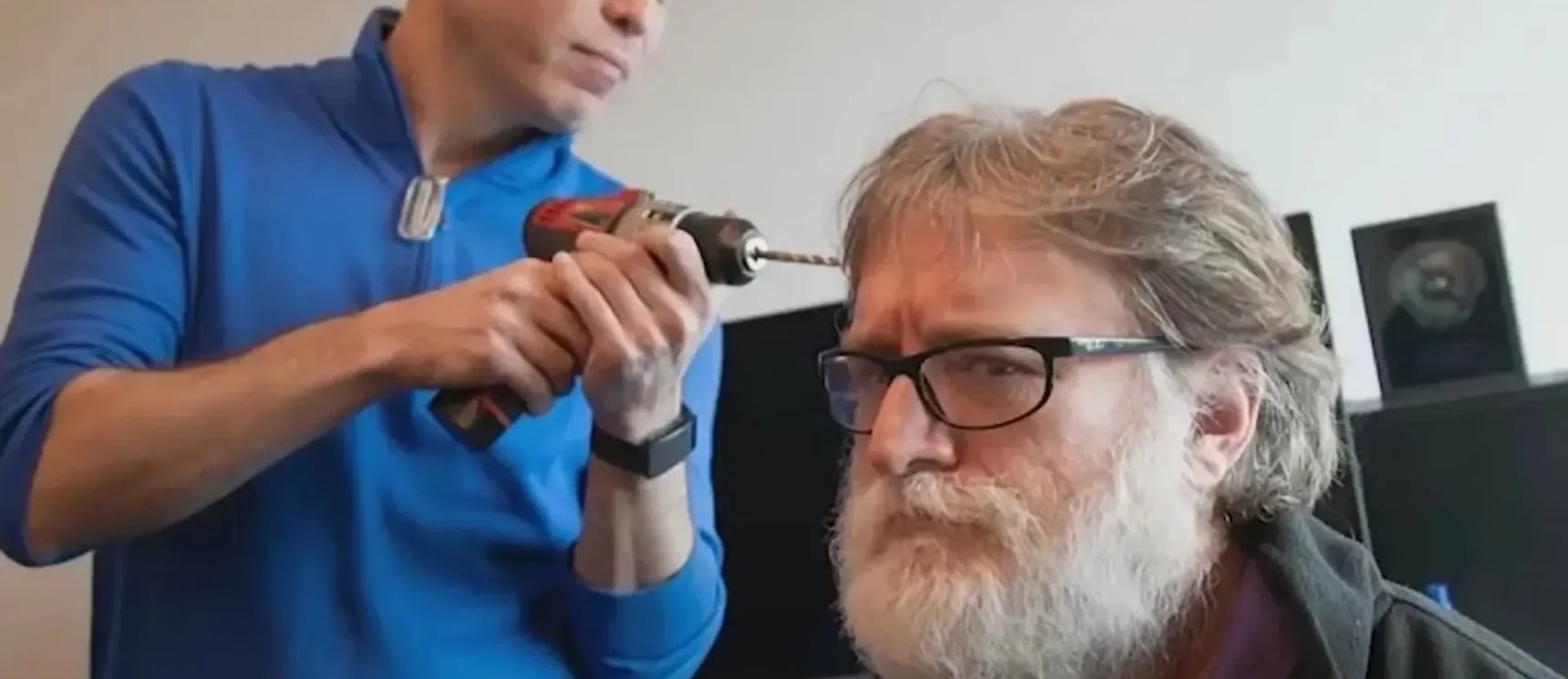
Valve co-founder and CEO Gabe Newell is bringing his first neural implant to market. The device is being developed by Starfish Neuroscience, a startup he founded to build next-generation brain–computer interfaces.
The team plans to release the chip by the end of 2025. Despite the project’s origins, the implant is not intended for gaming. It is being designed as a medical tool for recording and stimulating brain activity.
The idea dates back more than a decade, when Valve explored players’ physiological responses and considered using biosensors in VR headsets. The company later conducted a public BCI research study at GDC, which eventually led to the creation of Starfish Neuroscience.
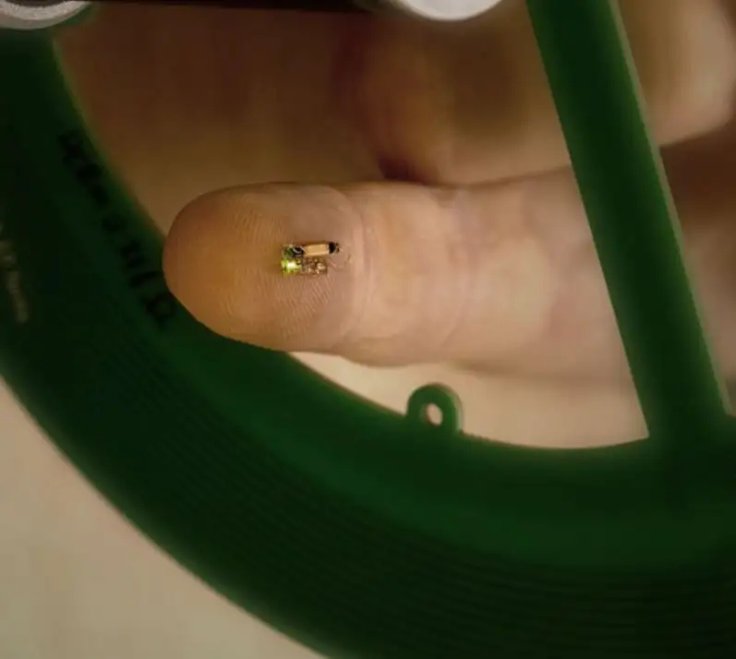
According to the startup’s first technical report, the implant is a miniature electrophysiological chip measuring just 2 × 4 mm, consuming 1.1 mW, and capable of recording neural spikes and LFP signals, as well as delivering stimulation. It features 32 electrode sites, supports 16 simultaneous recording channels at 18.75 kHz, can measure impedance and perform basic onboard digital processing. The chip is manufactured using TSMC’s 55 nm process.
Starfish, however, does not yet have a wireless power system or surgical implantation tools — the company is openly seeking partners. Neuroengineer Nate Cermak says the goal is to create a less invasive, more compact alternative to existing implants. The focus is on enabling simultaneous interaction with multiple brain regions, an important requirement for treating conditions such as Parkinson’s disease, which involve dysfunctional neural circuits.
For comparison, Neuralink’s N1 implant uses 1,024 electrodes, requires a battery and wireless charging, and has a housing measuring 23 mm wide and 8 mm thick. Elon Musk has previously said that the device has already been implanted in 12 patients.
Starfish emphasizes that its first chip is a medical instrument, not a consumer gadget. There are no plans for gaming use at this stage. Still, the fact that the project comes from the head of Valve has already drawn attention. If the technology moves from lab prototypes to practical application, it could pave the way for entirely new modes of human–machine interaction.









Editor’s pick