19:26
Government websites across Europe go offline over critical PHP flaws

17:37
Agile Robots unveils Nvidia-powered humanoid built to learn new skills

13:30
PHP warns website owners to prepare for emergency security updates

14:26
Australia prepares legal action against social media giants over under-16 ban

13:54
You can reserve Tesla’s new Roadster in the UAE for Dh210,000

18:26
Telegram launches Money, its built-in crypto wallet: Here's how it works
19:26
Government websites across Europe go offline over critical PHP flaws
17:37
Agile Robots unveils Nvidia-powered humanoid built to learn new skills
13:30
PHP warns website owners to prepare for emergency security updates
14:26
Australia prepares legal action against social media giants over under-16 ban
13:54
You can reserve Tesla’s new Roadster in the UAE for Dh210,000
18:26
Telegram launches Money, its built-in crypto wallet: Here's how it works
19:26
Government websites across Europe go offline over critical PHP flaws
17:37
Agile Robots unveils Nvidia-powered humanoid built to learn new skills
13:30
PHP warns website owners to prepare for emergency security updates
14:26
Australia prepares legal action against social media giants over under-16 ban
13:54
You can reserve Tesla’s new Roadster in the UAE for Dh210,000
18:26
Telegram launches Money, its built-in crypto wallet: Here's how it works
19:26
Government websites across Europe go offline over critical PHP flaws
17:37
Agile Robots unveils Nvidia-powered humanoid built to learn new skills
13:30
PHP warns website owners to prepare for emergency security updates
14:26
Australia prepares legal action against social media giants over under-16 ban
13:54
You can reserve Tesla’s new Roadster in the UAE for Dh210,000
18:26
Telegram launches Money, its built-in crypto wallet: Here's how it works

4 Feb, 2026
1 min time to read
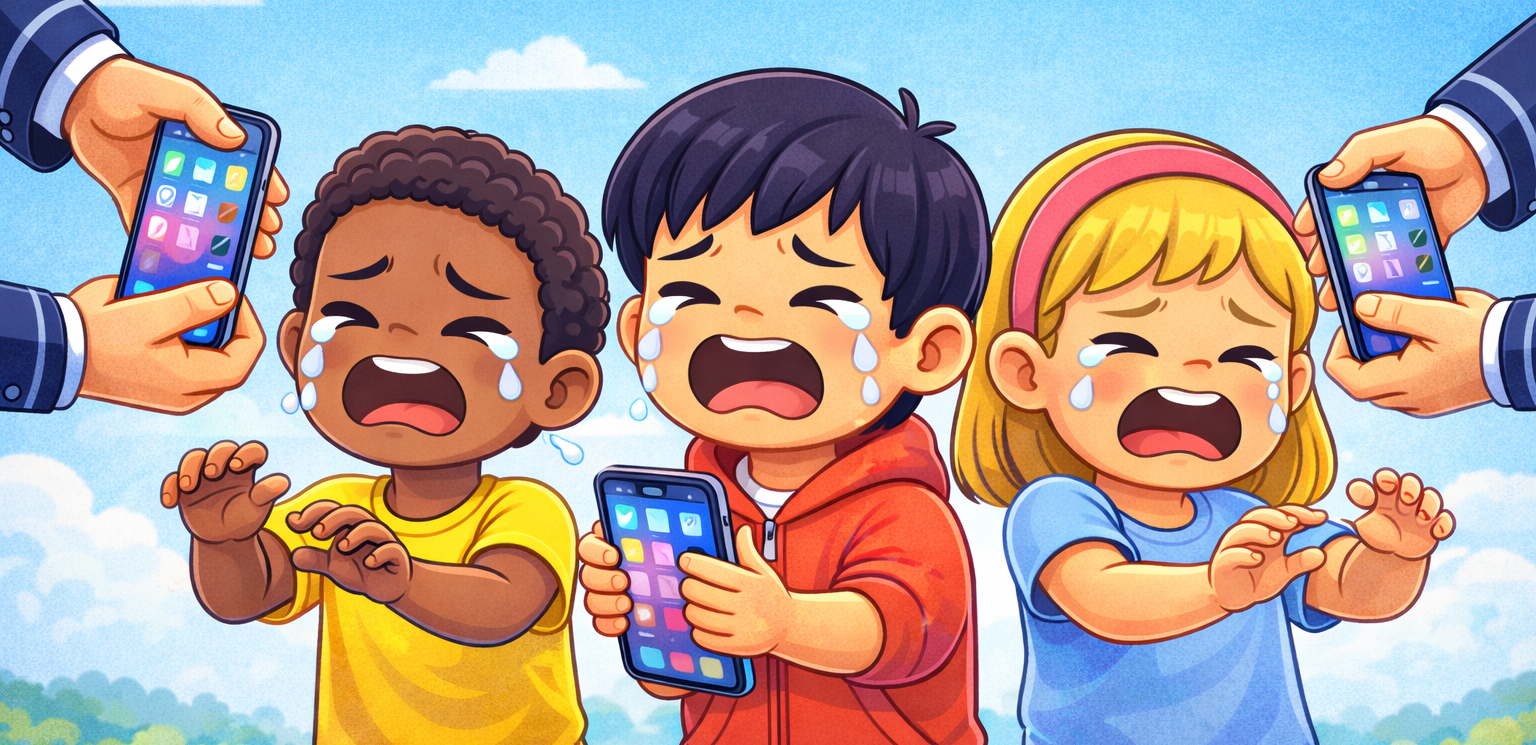
A growing number of governments are considering limits on children’s use of social media, citing research linking excessive smartphone use to declining adolescent mental health.
Here is how different countries are approaching the issue.
Who moved first?
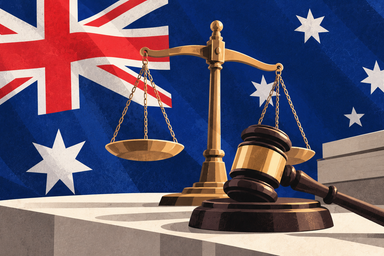
- Australia became the first country to pass a nationwide ban on social media access for children under 16. Despite criticism from teenagers and civil rights advocates, the law has encouraged similar debates in other countries.
Europe
- France has already taken a concrete step. The National Assembly approved a bill that would prohibit access to social media for children under 15. The proposal passed with 116 votes in favor and 23 against and has now been sent to the Senate. At President Emmanuel Macron’s request, the bill is being fast-tracked. If adopted in mid-February, the ban could take effect as early as September 1.
- Denmark plans to introduce a minimum age of 15 for access to social platforms.
- Greece is reportedly close to adopting a similar restriction for children under 15.
- Spain has announced plans to ban social media use for children under 16. Prime Minister Pedro Sánchez said platforms would be required to implement effective age-verification systems. The proposal is expected to be reviewed by the Council of Ministers in the coming weeks.
- At the EU level, lawmakers have adopted a resolution calling for parental consent before minors can register on social platforms. While the resolution is not legally binding, it signals growing political support for stricter oversight.
Other countries
- South Korea has already banned mobile phone use in schools.
- Brazil has opted for a more flexible approach, requiring parental supervision of accounts belonging to children under 16 and allowing families to set their own restrictions.
- The United States has not introduced federal-level legislation. However, several states are experimenting with online age-verification laws. A recent Supreme Court decision regarding age checks on adult websites could set a precedent for broader regulation of social platforms.







Editor’s pick