18:26
Telegram launches Money, its built-in crypto wallet: Here's how it works

15:05
Telegram Desktop vulnerability allowed attackers to steal files with one click

12:33
Anthropic will ban repeated abuse of Claude under new usage rules

12:02
Apple could unveil its first touchscreen MacBook Pro on October 27

11:46
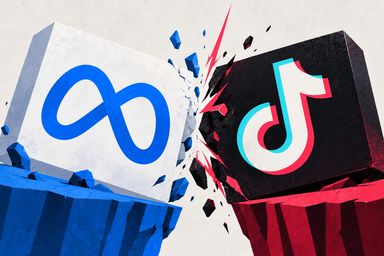
Meta bans TikTok ads on Facebook and Instagram in seven countries

11:25
Apple reportedly cuts iPhone 18 Pro orders just weeks after launch
18:26
Telegram launches Money, its built-in crypto wallet: Here's how it works
15:05
Telegram Desktop vulnerability allowed attackers to steal files with one click
12:33
Anthropic will ban repeated abuse of Claude under new usage rules
12:02
Apple could unveil its first touchscreen MacBook Pro on October 27
11:46
Meta bans TikTok ads on Facebook and Instagram in seven countries
11:25
Apple reportedly cuts iPhone 18 Pro orders just weeks after launch
18:26
Telegram launches Money, its built-in crypto wallet: Here's how it works
15:05
Telegram Desktop vulnerability allowed attackers to steal files with one click
12:33
Anthropic will ban repeated abuse of Claude under new usage rules
12:02
Apple could unveil its first touchscreen MacBook Pro on October 27
11:46
Meta bans TikTok ads on Facebook and Instagram in seven countries
11:25
Apple reportedly cuts iPhone 18 Pro orders just weeks after launch
18:26
Telegram launches Money, its built-in crypto wallet: Here's how it works
15:05
Telegram Desktop vulnerability allowed attackers to steal files with one click
12:33
Anthropic will ban repeated abuse of Claude under new usage rules
12:02
Apple could unveil its first touchscreen MacBook Pro on October 27
11:46
Meta bans TikTok ads on Facebook and Instagram in seven countries
11:25
Apple reportedly cuts iPhone 18 Pro orders just weeks after launch

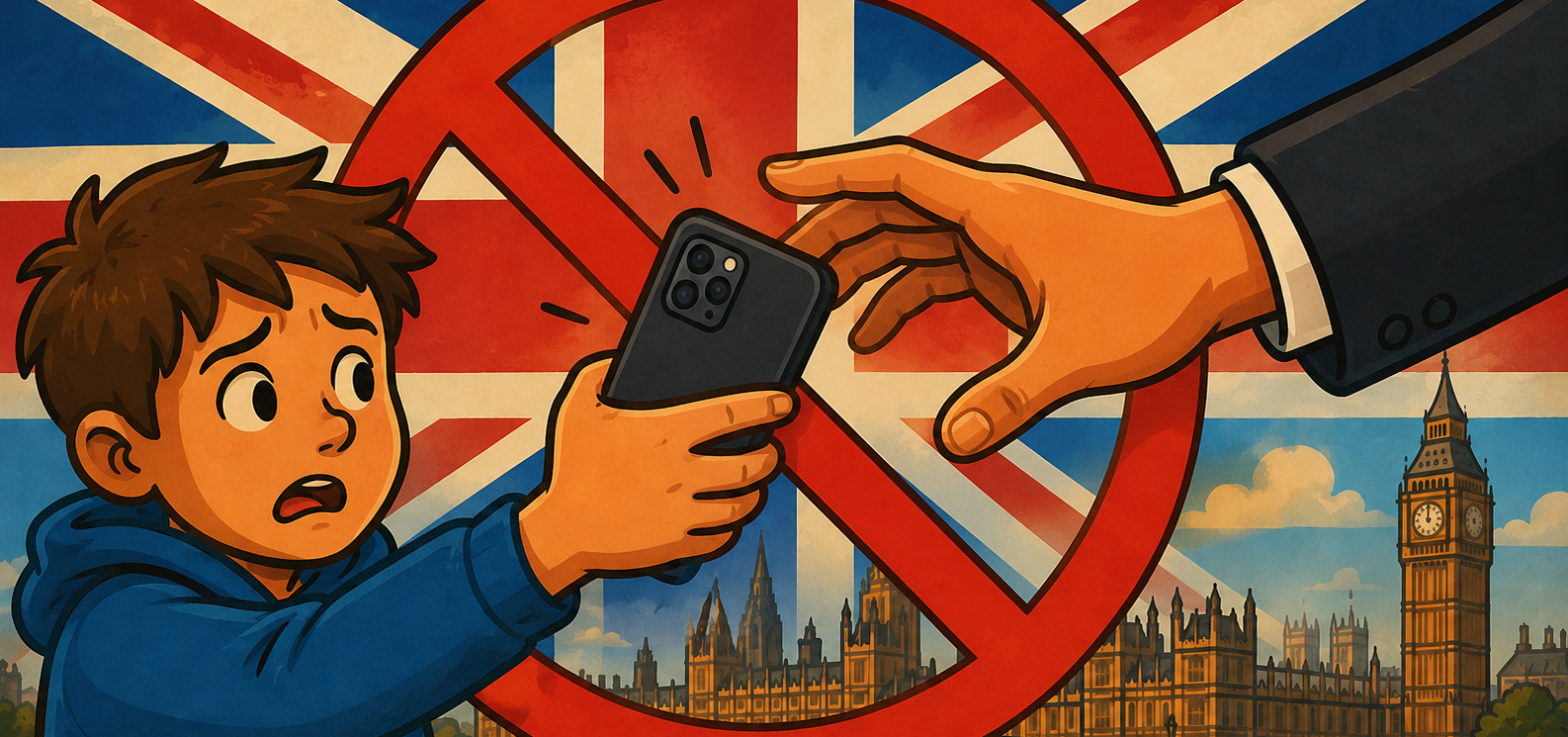
The UK is preparing one of the world's most restrictive regulatory frameworks for children and teenagers online, including a social media ban for users under 16, new limits on gaming and messaging platforms, and a digital curfew for older teens.
The proposal has already been described by some observers as "Australia Plus," a reference to Australia's landmark decision last year to ban certain social media platforms for users under 16. Since then, several countries have announced plans to pursue similar measures.
 Igor Savkin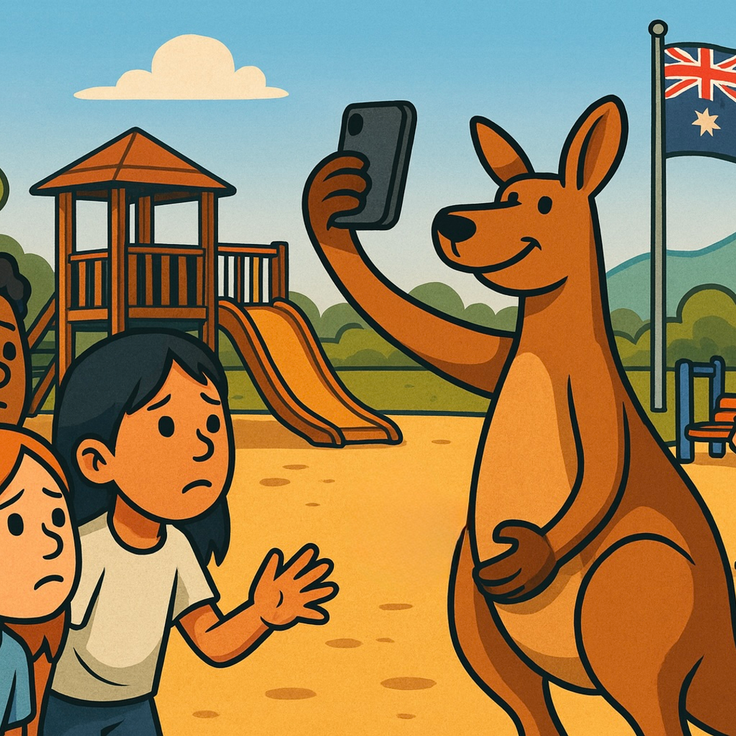
The UK proposal goes even further. Under the plan, children under 16 would lose access to social media platforms beginning in spring 2027. Restrictions could also extend to certain features in gaming, streaming, and messaging services. For example, minors could be prevented from messaging strangers in games, while disappearing messages and location sharing may also face limitations.
Teenagers between 16 and 18 could face additional restrictions. The government is considering banning access to romantic and sexually themed AI chatbots and introducing a digital curfew designed to reduce late-night scrolling and prolonged use of social platforms.
Officials say the measures are intended to protect children from harmful content, addictive recommendation feeds, cyberbullying, and unwanted contact from strangers. Lawmakers have also pointed to public support for the proposal, citing a consultation in which nine out of ten parents backed setting the minimum age for social media access at 16.
Speaking at a press conference, Prime Minister Keir Starmer acknowledged that the proposal was not an easy decision.
"But government is always about choices. And it's clear to me that a full ban is the right choice."
Starmer argued that social media platforms are "designed to be addictive," contribute to unhappiness among children, make bullying easier, and can negatively affect mental health.
It remains unclear, however, how fully the government has assessed the consequences of such a sweeping policy. Technology companies have warned that strict bans could push teenagers toward less regulated platforms.
Civil liberties groups and digital policy experts have also raised concerns about age verification requirements. To comply with the new rules, platforms may need to collect more sensitive information from users, including identity documents, biometric data, or other forms of personal verification.
Daria Ivanova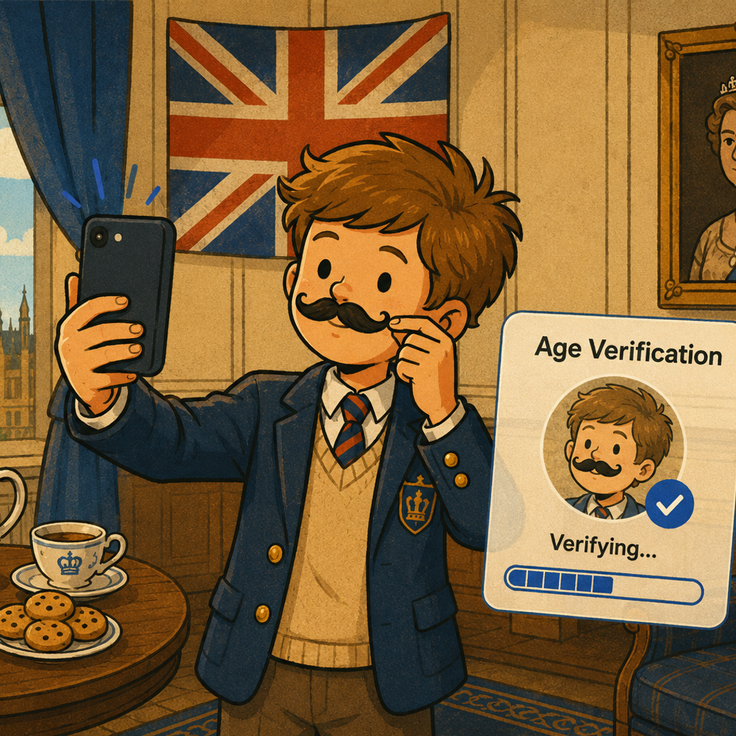





Editor’s pick