17:14
Capcom breach exposes 11.7 million account records worldwide

16:56
Anthropic introduces Claude Duet, an AI assistant that checks in first

16:32
Hugging Face’s new AI lets scientists chat with DNA

19:26
Government websites across Europe go offline over critical PHP flaws

17:37
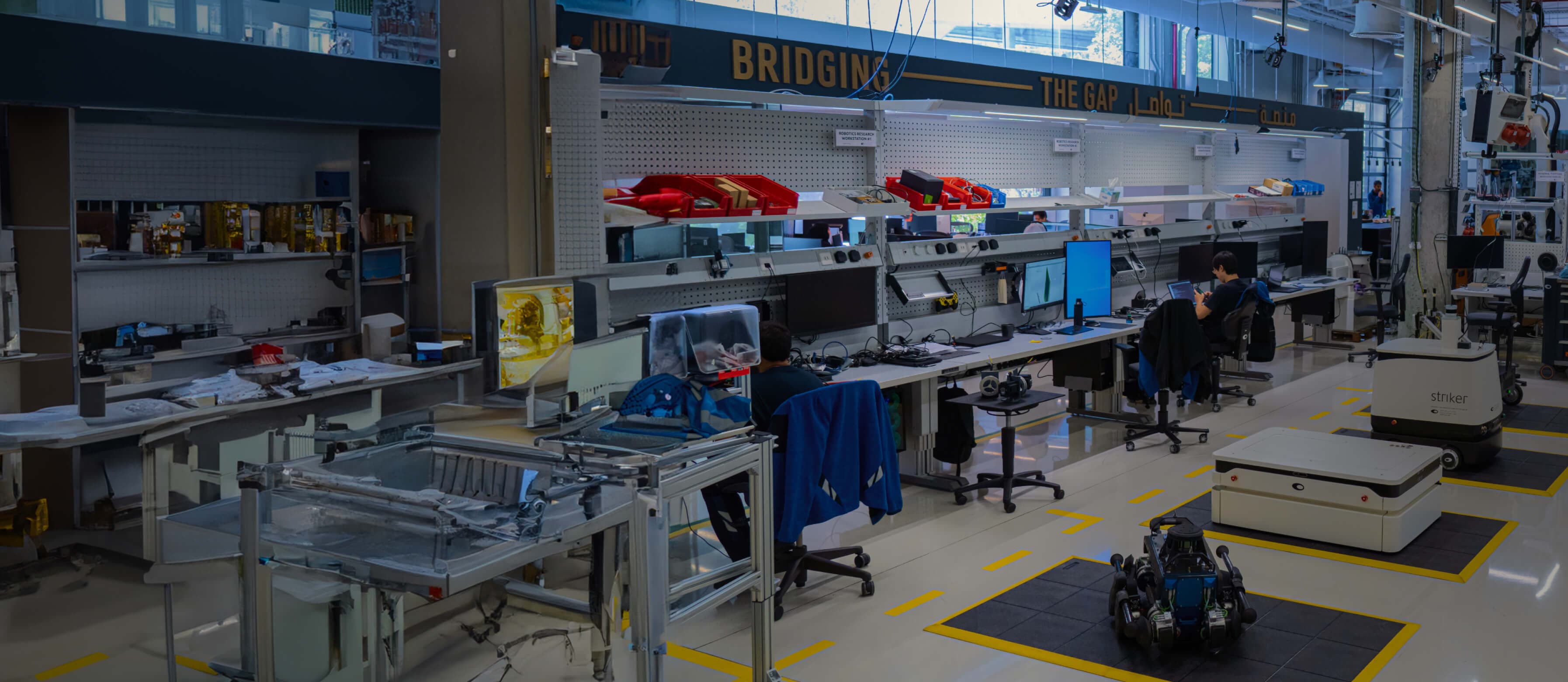
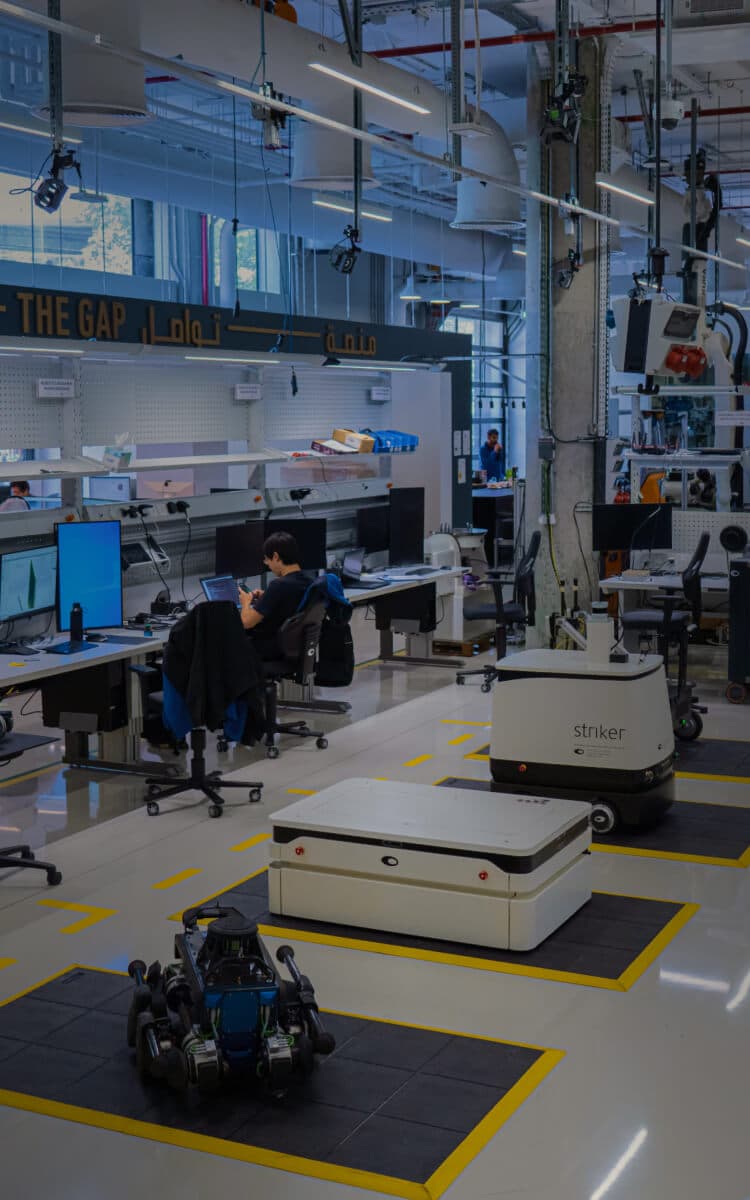
Agile Robots unveils Nvidia-powered humanoid built to learn new skills

13:30
PHP warns website owners to prepare for emergency security updates
17:14
Capcom breach exposes 11.7 million account records worldwide
16:56
Anthropic introduces Claude Duet, an AI assistant that checks in first
16:32
Hugging Face’s new AI lets scientists chat with DNA
19:26
Government websites across Europe go offline over critical PHP flaws
17:37
Agile Robots unveils Nvidia-powered humanoid built to learn new skills
13:30
PHP warns website owners to prepare for emergency security updates
17:14
Capcom breach exposes 11.7 million account records worldwide
16:56
Anthropic introduces Claude Duet, an AI assistant that checks in first
16:32
Hugging Face’s new AI lets scientists chat with DNA
19:26
Government websites across Europe go offline over critical PHP flaws
17:37
Agile Robots unveils Nvidia-powered humanoid built to learn new skills
13:30
PHP warns website owners to prepare for emergency security updates
17:14
Capcom breach exposes 11.7 million account records worldwide
16:56
Anthropic introduces Claude Duet, an AI assistant that checks in first
16:32
Hugging Face’s new AI lets scientists chat with DNA
19:26
Government websites across Europe go offline over critical PHP flaws
17:37
Agile Robots unveils Nvidia-powered humanoid built to learn new skills
13:30
PHP warns website owners to prepare for emergency security updates


Apple is reportedly planning to replace faster flash storage with slower alternatives in its highest-capacity iPhone 18 Proand iPhone 18 Pro Max models, according to Wccftech, citing leaker Reptalica.
The change is said to affect the 1TB and 2TB configurations. The 256GB and 512GB models are expected to continue using TLC (Triple-Level Cell) storage supplied by SK hynix, Kioxia, and SanDisk. TLC stores three bits per memory cell and is generally faster and more durable than QLC.
The 1TB version will reportedly rely primarily on SK hynix's BC8Q-1T QLC chip. QLC (Quad-Level Cell) stores four bits per cell, allowing for higher storage density but typically offering lower performance and endurance. Samsung's 3DV8 TLC chip is expected to appear only in limited quantities as an alternative.
According to the report, the 2TB model will also use QLC storage—specifically the SK hynix BC8Q-2T, a chip originally designed for server workloads. The source claims it delivers noticeably weaker random 4K performance than the TLC storage currently used in flagship iPhones. By comparison, the 2TB iPhone 17 Pro Max is expected to ship with TLC storage.
Wccftech links the decision to rising memory costs. Earlier reports from the publication claimed that Apple's cost for a 256GB storage module could increase from around $13 in the iPhone 17 Pro to roughly $51 for the iPhone 18 Pro. Despite the higher component costs, the publication argues that switching premium models to slower QLC storage would primarily help Apple preserve its profit margins, especially as the iPhone 18 Pro and iPhone 18 Pro Max are expected to start at $1,399 and $1,499, respectively.








Editor’s pick