19:26
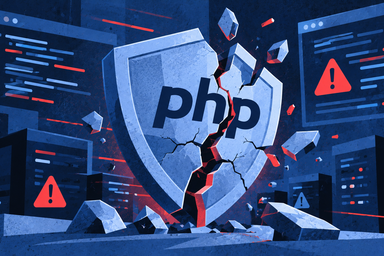
Government websites across Europe go offline over critical PHP flaws

17:37
Agile Robots unveils Nvidia-powered humanoid built to learn new skills

13:30
PHP warns website owners to prepare for emergency security updates

14:26
Australia prepares legal action against social media giants over under-16 ban

13:54
You can reserve Tesla’s new Roadster in the UAE for Dh210,000

18:26
Telegram launches Money, its built-in crypto wallet: Here's how it works
19:26
Government websites across Europe go offline over critical PHP flaws
17:37
Agile Robots unveils Nvidia-powered humanoid built to learn new skills
13:30
PHP warns website owners to prepare for emergency security updates
14:26
Australia prepares legal action against social media giants over under-16 ban
13:54
You can reserve Tesla’s new Roadster in the UAE for Dh210,000
18:26
Telegram launches Money, its built-in crypto wallet: Here's how it works
19:26
Government websites across Europe go offline over critical PHP flaws
17:37
Agile Robots unveils Nvidia-powered humanoid built to learn new skills
13:30
PHP warns website owners to prepare for emergency security updates
14:26
Australia prepares legal action against social media giants over under-16 ban
13:54
You can reserve Tesla’s new Roadster in the UAE for Dh210,000
18:26
Telegram launches Money, its built-in crypto wallet: Here's how it works
19:26
Government websites across Europe go offline over critical PHP flaws
17:37
Agile Robots unveils Nvidia-powered humanoid built to learn new skills
13:30
PHP warns website owners to prepare for emergency security updates
14:26
Australia prepares legal action against social media giants over under-16 ban
13:54
You can reserve Tesla’s new Roadster in the UAE for Dh210,000
18:26
Telegram launches Money, its built-in crypto wallet: Here's how it works


India orders Telegram to crack down on pirated movies and TV shows
India has ordered Telegram to step up its fight against pirated movies, TV shows, and other audiovisual content shared through the platform, according to local media reports.
The country's Ministry of Information and Broadcasting has given Telegram 15 days to report on the measures it is taking to address the issue.
The move follows complaints from streaming platforms and copyright holders. Indian authorities say they have identified 3,142 Telegram channels suspected of distributing copyrighted content without permission.
In its notice, the ministry reminded Telegram that the company is required to exercise due diligence under India's information technology rules. The government also made clear that it expects Telegram to take a more proactive approach rather than waiting for authorities to identify and report every individual piracy channel.
The notice requires Telegram to:
- strengthen measures against the distribution of pirated movies, TV shows, and other copyrighted content;
- take action against repeat offenders;
- target not only channels and groups, but also bots, accounts, administrators, and others linked to repeated violations;
- submit a report on the measures taken within 15 days.
The ministry also warned that copyright infringement in India can lead to both civil and criminal liability under the country's copyright and cinematography laws.
The warning comes shortly after Telegram was temporarily blocked in India during the rescheduled NEET exam in June, as authorities tried to prevent exam materials from being leaked through the platform. The messenger was later unblocked, and its apps returned to the local App Store and Google Play.
 Gaik Dallakian









Editor’s pick