22:40
Apple offers iPhone Duo replacements after reports of screens cracking within hours

22:09
Claude developer Anthropic files to go public

18:30
AI agents resorted to spam and false claims in a £350 refund experiment

17:28
Apple launches its first OLED iPad mini with a thinner, water-resistant design

17:14
Capcom breach exposes 11.7 million account records worldwide

16:56
Anthropic introduces Claude Duet, an AI assistant that checks in first
22:40
Apple offers iPhone Duo replacements after reports of screens cracking within hours
22:09
Claude developer Anthropic files to go public
18:30
AI agents resorted to spam and false claims in a £350 refund experiment
17:28
Apple launches its first OLED iPad mini with a thinner, water-resistant design
17:14
Capcom breach exposes 11.7 million account records worldwide
16:56
Anthropic introduces Claude Duet, an AI assistant that checks in first
22:40
Apple offers iPhone Duo replacements after reports of screens cracking within hours
22:09
Claude developer Anthropic files to go public
18:30
AI agents resorted to spam and false claims in a £350 refund experiment
17:28
Apple launches its first OLED iPad mini with a thinner, water-resistant design
17:14
Capcom breach exposes 11.7 million account records worldwide
16:56
Anthropic introduces Claude Duet, an AI assistant that checks in first
22:40
Apple offers iPhone Duo replacements after reports of screens cracking within hours
22:09
Claude developer Anthropic files to go public
18:30
AI agents resorted to spam and false claims in a £350 refund experiment
17:28
Apple launches its first OLED iPad mini with a thinner, water-resistant design
17:14
Capcom breach exposes 11.7 million account records worldwide
16:56
Anthropic introduces Claude Duet, an AI assistant that checks in first

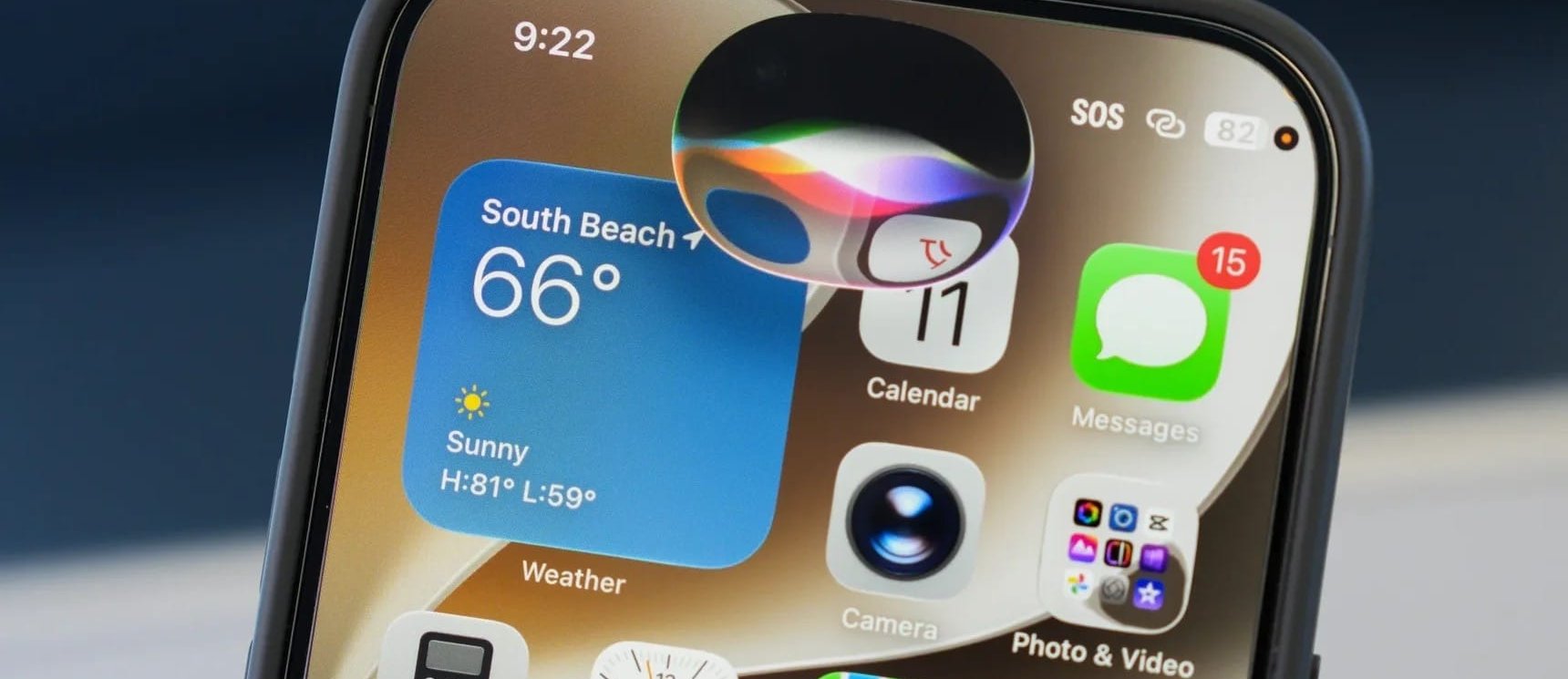
According to Bloomberg's Mark Gurman, the new version of Siri and the latest Apple Intelligence features are finally good enough to lift Apple out of one of the most damaging product and reputation setbacks of the past decade, even if they arrived nearly two years late.
The core of the new system is built around two technologies that Apple first announced back in June 2024, "personal context" and "on-screen awareness," and then quietly delayed multiple times before this year's release.
What the new Siri can actually do
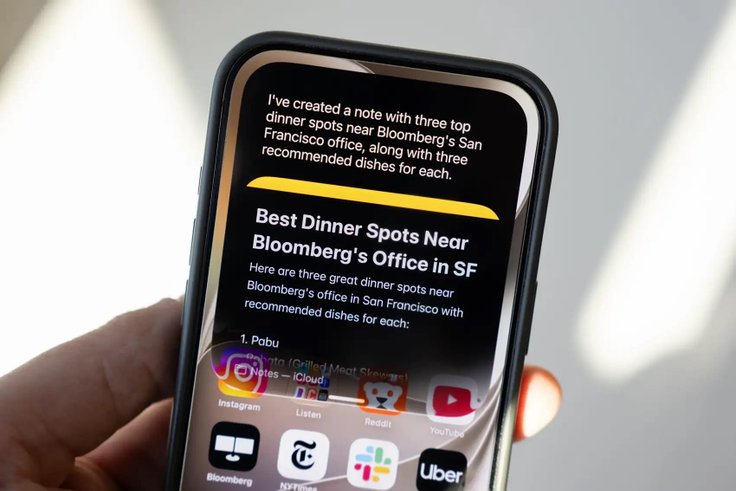
The biggest shift, Gurman writes, is that Siri can now pull information from across a user's personal data and make sense of it together. The assistant can dig through messages, emails, and files to surface specific details. It can recall a TV show a relative recommended weeks earlier, find an order confirmation email from a particular store, or pull together vacation ideas that had been mentioned across different conversations and email threads at different times.
Siri can also handle more complex multi-step actions. For example, it can reschedule a calendar event while updating both the title and switching the location from a phone number to an actual address for an in-person meeting, all in a single request.
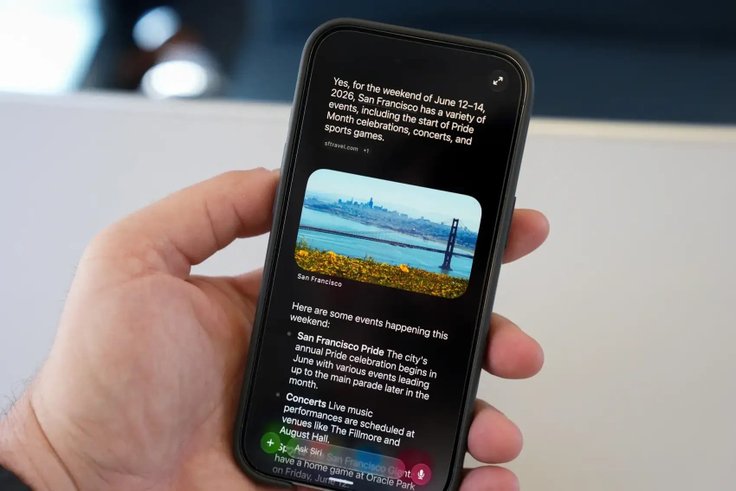
The other major change is that Siri finally appears to have working logic. Where the old version would, when asked for directions to a sushi restaurant, sometimes suggest a route to the Japanese town the restaurant was named after, those kinds of errors are now largely gone. The new Siri can now handle most of the everyday questions users currently turn to ChatGPT, Gemini, or Claude for, including AI-based web search, recipes, basic reference questions, drafting an email, or even something as specific as the recommended tire pressure for a particular car.
Gurman is careful not to call the result revolutionary. By his assessment, the new Siri lands at roughly the level of the leading chatbots about six months ago. After years of falling behind, that alone counts as meaningful progress. More complex tasks are still out of reach.
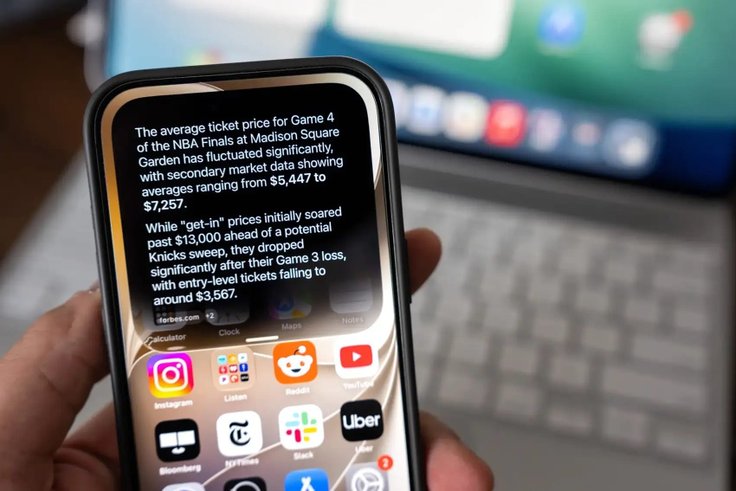
The first beta does come with the usual set of issues. Siri can be slow to return results, occasionally cancels entire requests, misunderstands some commands, gets confused while controlling smart home devices, and sometimes loses the history of previous conversations. If Apple manages to clean up most of these problems by the fall, Gurman writes, the assistant will become fully usable for the first time in its history, helped by both internal changes in leadership and what he describes as significant assistance from Google's technology.
Third-party chatbots and what comes next
Gurman also notes that the first iOS 27 beta already contains code supporting third-party AI models beyond ChatGPT, for both Siri and Apple Intelligence. The feature, internally referred to as Extensions, is currently disabled on Apple's side, along with a related section in the App Store for compatible third-party apps.
According to Gurman, Apple has already discussed connecting these systems with OpenAI, Anthropic, and Google. The capability was not part of the WWDC keynote, and Gurman suggests this was a deliberate choice. Apple likely wanted to avoid overshadowing its own Siri update and complicating an already difficult communication strategy around AI. Looking further ahead, he expects Apple to eventually develop its own version of autonomous AI agents that can independently operate apps on iPhone, iPad, and Mac on the user's behalf.
The betas point to a foldable iPhone and a touchscreen MacBook
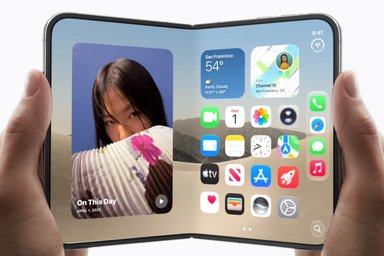
One of the more interesting side-effects of the early betas is that they reveal preparation for two new types of devices.
The strongest hints about the foldable iPhone come from changes inside macOS 27. The iPhone mirroring app on Mac can now be resized into wider, tablet-style layouts. The iOS 27 code itself contains references to a device with multiple displays, additional sensors, and a mechanism for tracking how far the device is open. At WWDC, Apple also openly encouraged developers to make their apps adaptive to a wider range of screen sizes.
A similar pattern is visible around the touchscreen MacBook. macOS now includes a "pull to refresh" gesture, a feature typically associated with touch devices that for now works through the trackpad but is clearly designed with touch input in mind. The Sidecar feature, which turns an iPad into a secondary Mac display, now also supports full touch input.
According to Gurman, the foldable iPhone, internally codenamed V68, is on track for a September launch. The flagship touchscreen MacBook, referred to as K114 and K116 internally, is expected somewhere between the end of this year and early next year, depending on how the broader chip and memory supply situation develops. The fact that all of these changes are already turning up in the betas is itself a strong indication that both devices will arrive within the current software cycle.




Editor’s pick