19:26
Government websites across Europe go offline over critical PHP flaws

17:37
Agile Robots unveils Nvidia-powered humanoid built to learn new skills

13:30
PHP warns website owners to prepare for emergency security updates

14:26
Australia prepares legal action against social media giants over under-16 ban

13:54
You can reserve Tesla’s new Roadster in the UAE for Dh210,000

18:26
Telegram launches Money, its built-in crypto wallet: Here's how it works
19:26
Government websites across Europe go offline over critical PHP flaws
17:37
Agile Robots unveils Nvidia-powered humanoid built to learn new skills
13:30
PHP warns website owners to prepare for emergency security updates
14:26
Australia prepares legal action against social media giants over under-16 ban
13:54
You can reserve Tesla’s new Roadster in the UAE for Dh210,000
18:26
Telegram launches Money, its built-in crypto wallet: Here's how it works
19:26
Government websites across Europe go offline over critical PHP flaws
17:37
Agile Robots unveils Nvidia-powered humanoid built to learn new skills
13:30
PHP warns website owners to prepare for emergency security updates
14:26
Australia prepares legal action against social media giants over under-16 ban
13:54
You can reserve Tesla’s new Roadster in the UAE for Dh210,000
18:26
Telegram launches Money, its built-in crypto wallet: Here's how it works
19:26
Government websites across Europe go offline over critical PHP flaws
17:37
Agile Robots unveils Nvidia-powered humanoid built to learn new skills
13:30
PHP warns website owners to prepare for emergency security updates
14:26
Australia prepares legal action against social media giants over under-16 ban
13:54
You can reserve Tesla’s new Roadster in the UAE for Dh210,000
18:26
Telegram launches Money, its built-in crypto wallet: Here's how it works

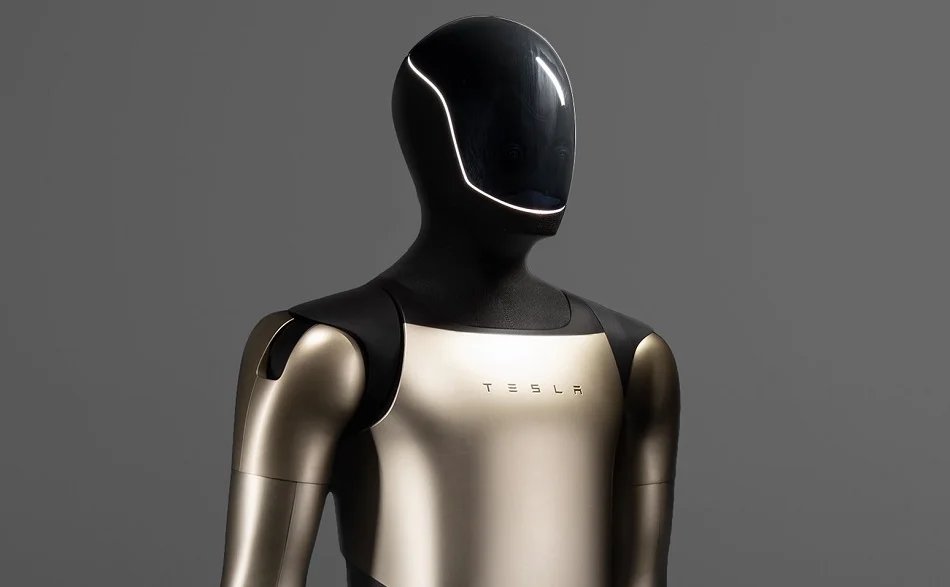
Investments in startups building humanoid robots now run into the billions of dollars, as investors expect such machines to appear in warehouses, factories, and even homes within the next few years.
Industry insiders, however, are increasingly tempering that optimism and acknowledging that current expectations are significantly inflated. Pras Velagapudi, Chief Technology Officer at Agility Robotics, says the goal is not simply to build a robot with a human-like form, but to make it genuinely useful.
Hundreds of Digit humanoid robots are already operating in Amazon and Schaeffler warehouses, where they handle simple tasks such as moving boxes or sorting orders. Even these limited use cases, however, remain close to the edge of the robots’ reliability.
Velagapudi notes that while teaching a robot basic actions is relatively straightforward, ensuring consistent performance and safety is far more challenging. In real-world deployments, most costs are not tied to the robot itself but to safety systems and infrastructure designed to protect people. In practice, only about one-fifth of the total budget goes toward purchasing the robot.
The gap between customer expectations and actual technological capabilities remains a major issue. At Gatlin Robotics, for example, engineers argue that even cleaning a toilet is among the most complex tasks for a humanoid robot — one the industry is still far from solving.
Nikolaus Radford, head of Persona AI, says developers must be realistic about timelines and avoid overpromising. At present, humanoid robots are effective only in a narrow range of applications, typically involving repetitive or hazardous work. Persona AI, for instance, is focusing on welding robots for shipbuilding, where labor shortages make automation economically viable.
Against this backdrop, bold claims by Elon Musk about the imminent mass adoption of Tesla’s Optimus humanoid robots are viewed by many in the industry as disconnected from current technological realities.








Editor’s pick