18:26
Telegram launches Money, its built-in crypto wallet: Here's how it works

15:05
Telegram Desktop vulnerability allowed attackers to steal files with one click

12:33
Anthropic will ban repeated abuse of Claude under new usage rules

12:02
Apple could unveil its first touchscreen MacBook Pro on October 27

11:46
Meta bans TikTok ads on Facebook and Instagram in seven countries

11:25
Apple reportedly cuts iPhone 18 Pro orders just weeks after launch
18:26
Telegram launches Money, its built-in crypto wallet: Here's how it works
15:05
Telegram Desktop vulnerability allowed attackers to steal files with one click
12:33
Anthropic will ban repeated abuse of Claude under new usage rules
12:02
Apple could unveil its first touchscreen MacBook Pro on October 27
11:46
Meta bans TikTok ads on Facebook and Instagram in seven countries
11:25
Apple reportedly cuts iPhone 18 Pro orders just weeks after launch
18:26
Telegram launches Money, its built-in crypto wallet: Here's how it works
15:05
Telegram Desktop vulnerability allowed attackers to steal files with one click
12:33
Anthropic will ban repeated abuse of Claude under new usage rules
12:02
Apple could unveil its first touchscreen MacBook Pro on October 27
11:46
Meta bans TikTok ads on Facebook and Instagram in seven countries
11:25
Apple reportedly cuts iPhone 18 Pro orders just weeks after launch
18:26
Telegram launches Money, its built-in crypto wallet: Here's how it works
15:05
Telegram Desktop vulnerability allowed attackers to steal files with one click
12:33
Anthropic will ban repeated abuse of Claude under new usage rules
12:02
Apple could unveil its first touchscreen MacBook Pro on October 27
11:46
Meta bans TikTok ads on Facebook and Instagram in seven countries
11:25
Apple reportedly cuts iPhone 18 Pro orders just weeks after launch


Google Chrome and other Chromium-based browsers are set to receive a new smart media loading feature designed to reduce data usage and improve page performance.
Lazy loading has existed in Chrome for several years, but until now it applied only to images and embedded frames. Independent developer Helmut Januschka proposed extending the technology to video and audio. With the new approach, media content will not load immediately when a page opens, but only when users scroll to the relevant section.
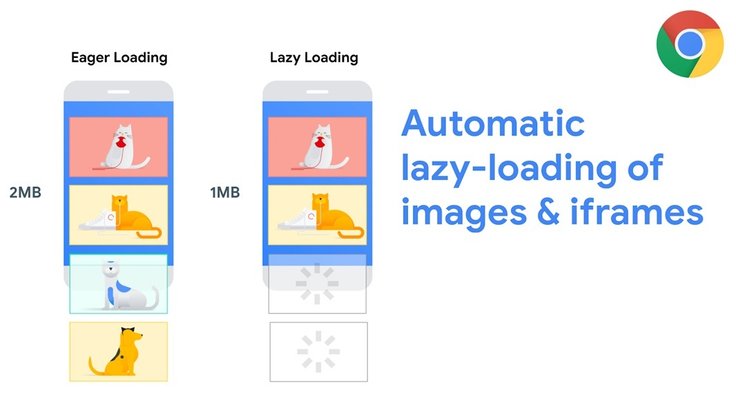
Currently, many websites rely on JavaScript tools like Intersection Observer to detect media visibility. However, this method can introduce errors, increase page complexity, and conflict with the browser’s own preloading system.
The built-in solution handles lazy loading at the browser level, taking into account connection speed and improving overall performance. The feature also supports autoplay and prevents invisible media from slowing down page rendering.
According to Windows Latest, development began in January and reached its final stage by late March. The technology is already enabled in stable Chromium builds and is expected to arrive in Chrome 148.










Editor’s pick