17:14
Capcom breach exposes 11.7 million account records worldwide

16:56
Anthropic introduces Claude Duet, an AI assistant that checks in first

16:32
Hugging Face’s new AI lets scientists chat with DNA

19:26
Government websites across Europe go offline over critical PHP flaws

17:37
Agile Robots unveils Nvidia-powered humanoid built to learn new skills

13:30
PHP warns website owners to prepare for emergency security updates
17:14
Capcom breach exposes 11.7 million account records worldwide
16:56
Anthropic introduces Claude Duet, an AI assistant that checks in first
16:32
Hugging Face’s new AI lets scientists chat with DNA
19:26
Government websites across Europe go offline over critical PHP flaws
17:37
Agile Robots unveils Nvidia-powered humanoid built to learn new skills
13:30
PHP warns website owners to prepare for emergency security updates
17:14
Capcom breach exposes 11.7 million account records worldwide
16:56
Anthropic introduces Claude Duet, an AI assistant that checks in first
16:32
Hugging Face’s new AI lets scientists chat with DNA
19:26
Government websites across Europe go offline over critical PHP flaws
17:37
Agile Robots unveils Nvidia-powered humanoid built to learn new skills
13:30
PHP warns website owners to prepare for emergency security updates
17:14
Capcom breach exposes 11.7 million account records worldwide
16:56
Anthropic introduces Claude Duet, an AI assistant that checks in first
16:32
Hugging Face’s new AI lets scientists chat with DNA
19:26
Government websites across Europe go offline over critical PHP flaws
17:37
Agile Robots unveils Nvidia-powered humanoid built to learn new skills
13:30
PHP warns website owners to prepare for emergency security updates

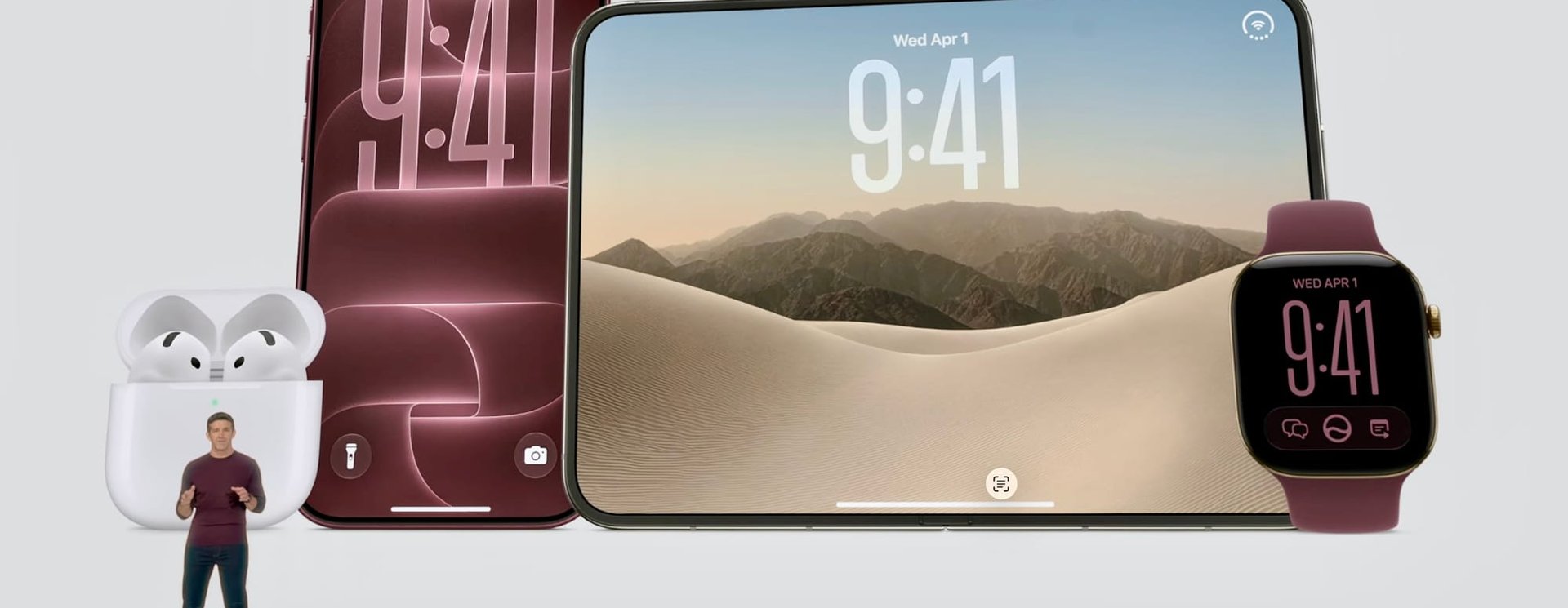
Apple’s biggest product event of the year brought the company’s first foldable iPhone, a major refresh for its flagship Pro models, and new generations of Apple Watch and AirPods.
The iPhone Duo was the clear centerpiece of the event, but Apple also introduced substantial updates across the rest of its hardware lineup. Here’s everything that was announced.
iPhone Duo — Apple’s first foldable iPhone
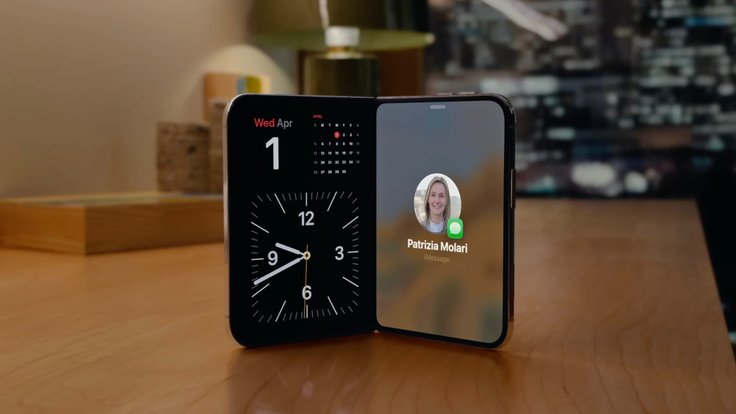
The most unusual product of the event was the iPhone Duo, Apple’s first foldable smartphone.
When closed, the device uses a 5.4-inch outer display. Opening it reveals a 7.6-inch inner screen, the largest display Apple has ever put on an iPhone. Both are Super Retina XDR panels with ProMotion, Always-On Display and peak brightness of up to 3,000 nits.
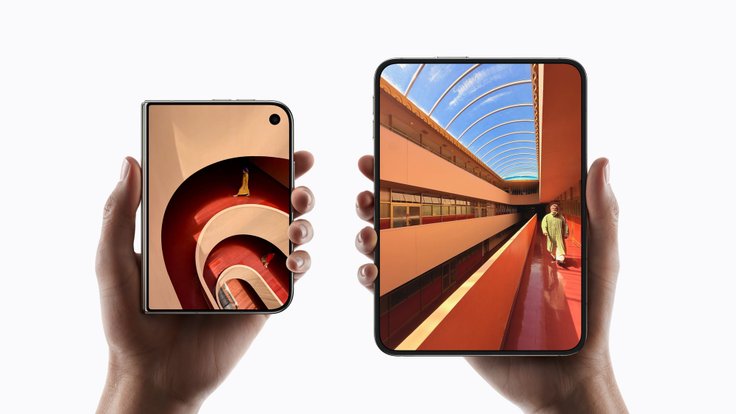
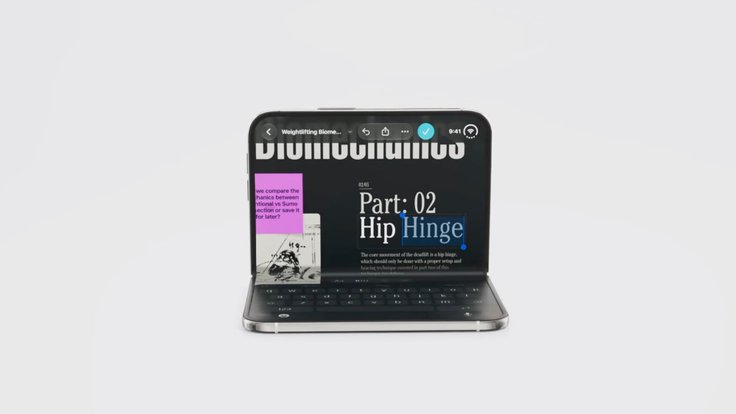
The body is made from Grade 5 titanium, while the hinge contains more than 100 individual components. When unfolded, the Duo is also the thinnest iPhone Apple has made. Face ID is absent, with biometric authentication handled by Touch ID built into the side button. Apple Pencil support via USB-C is due later in 2026.
Inside is Apple’s new 2nm A20 Pro chip paired with a vapor chamber cooling system. Apple says sustained performance is up to 35% higher than on the iPhone 17 Pro.
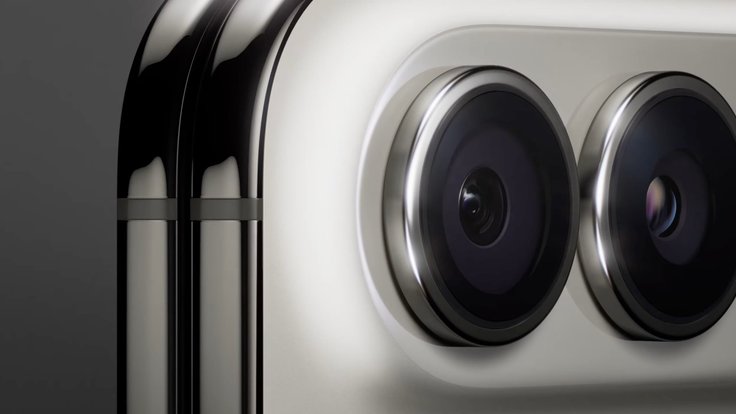
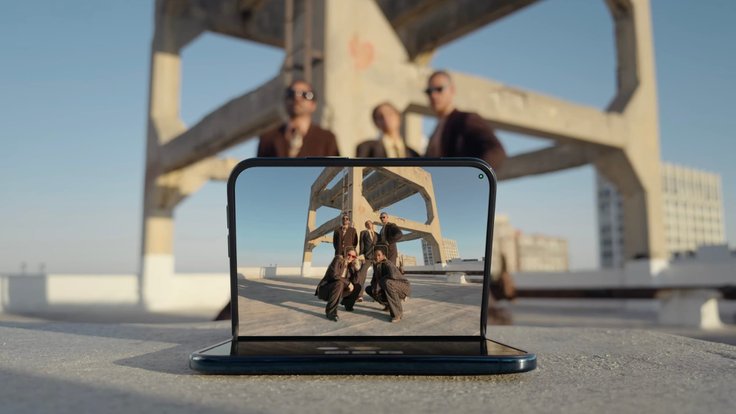
There are two rear cameras, a 48MP Fusion Main and a Fusion Ultra Wide. The foldable design also lets users take selfies with the main cameras while using the outer display as a viewfinder. A separate Duo Preview mode lets the person being photographed see the framing before the shot is taken.
Apple has also adapted iOS 27 to the foldable form factor. The inner screen supports full Split View for the first time on an iPhone, allowing two apps to run side by side. The phone can also be opened to roughly 90 degrees, with the lower half of the display serving as a keyboard.
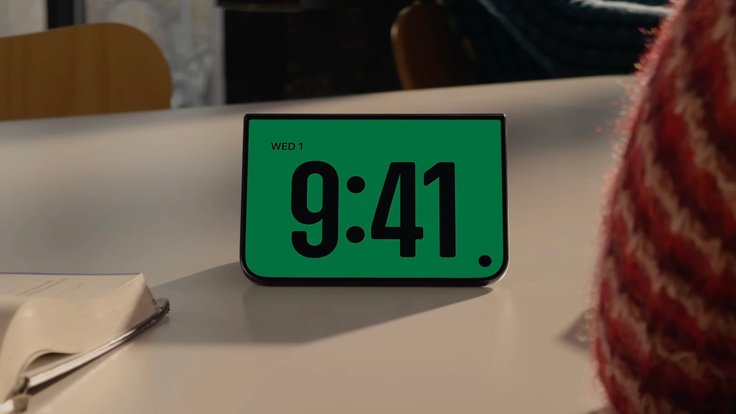
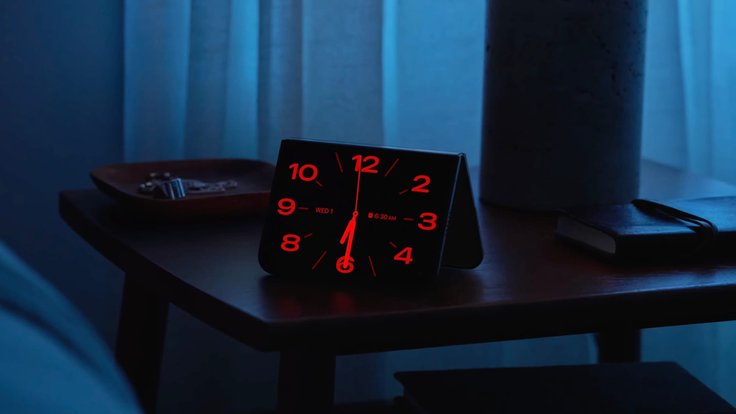
The Duo uses two batteries, one in each half of the chassis. Apple rates it for up to 31 hours of video playback on the inner display or 44 hours on the outer screen.
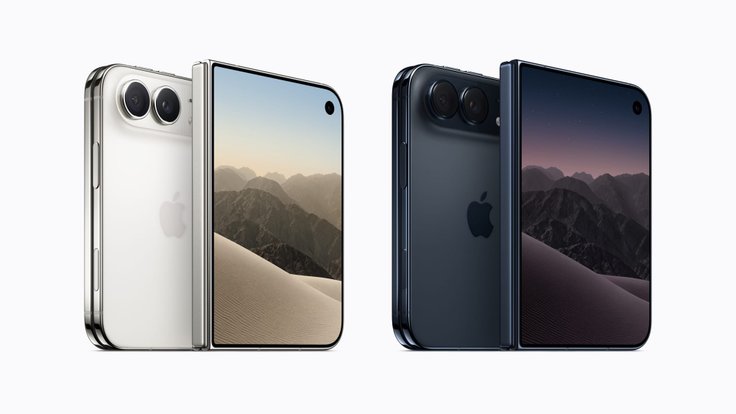
The iPhone Duo comes in Star White and Night Sky, with storage options ranging from 256GB to 2TB. Pricing starts at $1,999. Preorders open on October 16, with sales beginning October 23.
iPhone 18 Pro and iPhone 18 Pro Max
Apple’s conventional flagship iPhones also received a substantial update.
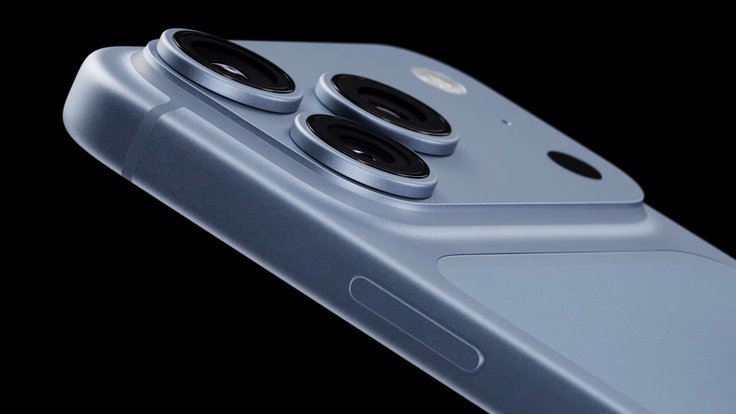
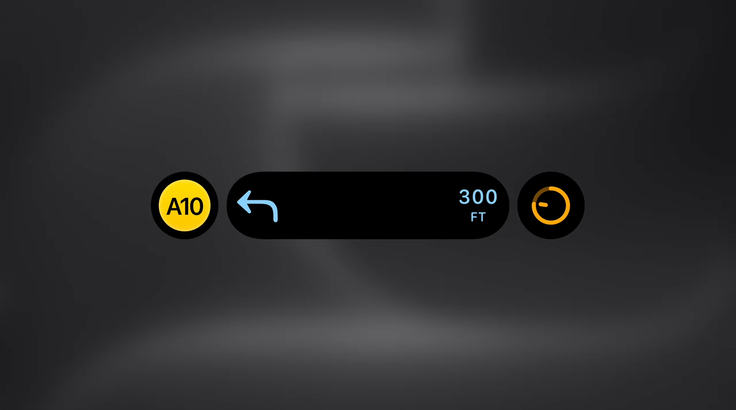
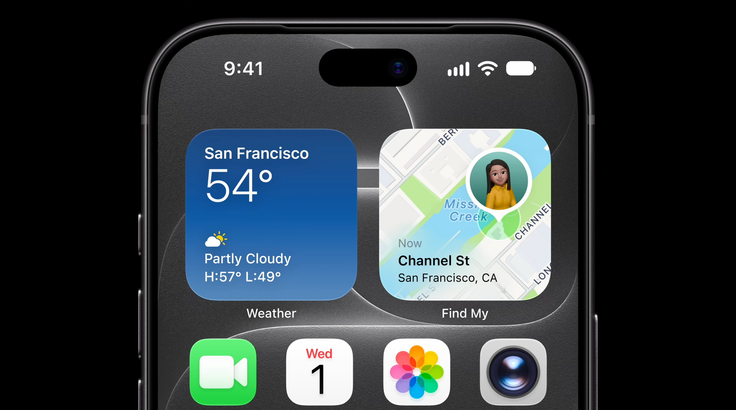
One of the most visible changes is a smaller Dynamic Island. The cutout now takes up less space while supporting up to three Live Activities at the same time.
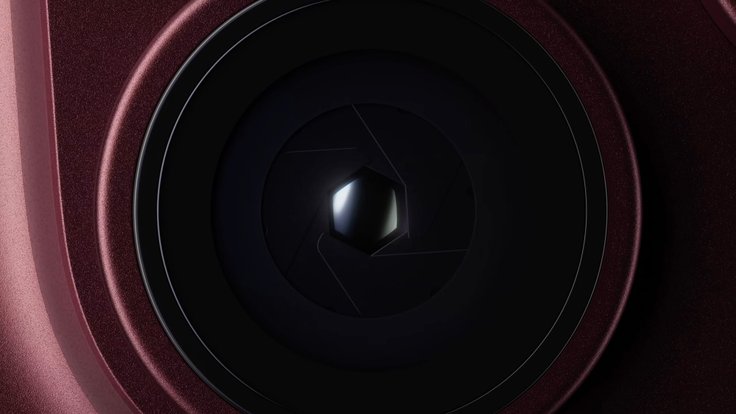
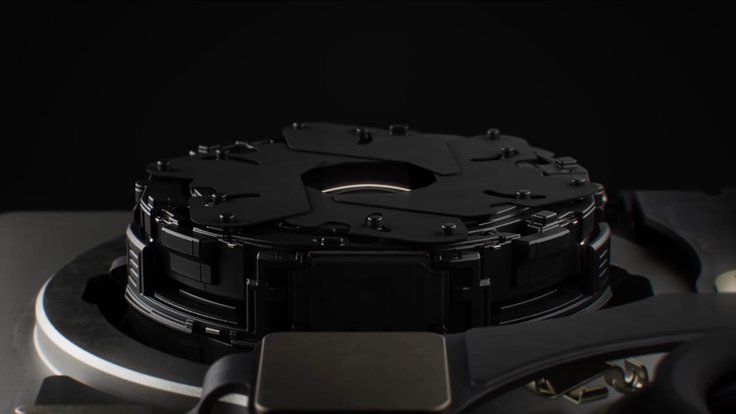
The biggest camera change is a variable aperture on the 48MP main camera. The lens uses six moving blades and can switch between four aperture settings automatically or under manual control. Apple has also added a new Pro controlssection to the Camera app, with settings for shutter speed, white balance and other manual adjustments.
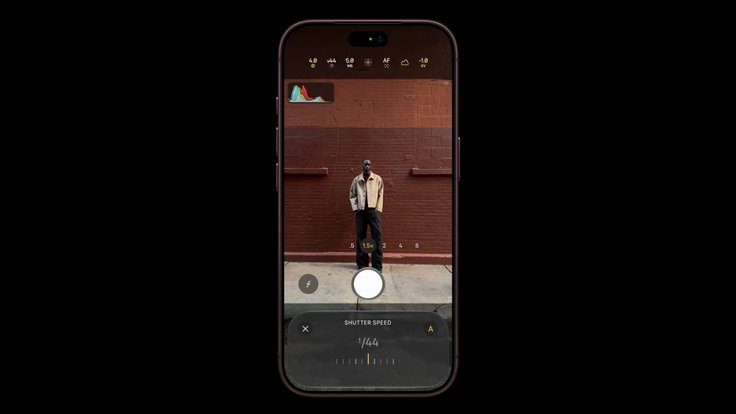

Another new feature, Apple Reference Image, creates a protected reference version of a photo that can later be used to determine whether the image has been edited. Apple also plans to add support for SynthID later this year to help identify images created or modified with AI.
Both phones use the same 2nm A20 Pro found in the iPhone Duo. Apple says GPU performance is up to 40% faster than on the A19 Pro, memory bandwidth has increased by 50%, and a redesigned cooling system improves sustained performance by as much as 40%.


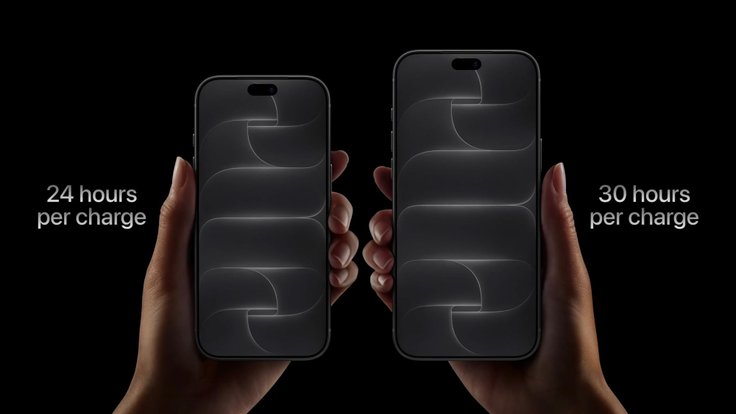
Battery life is rated at up to 36 hours of video playback on the iPhone 18 Pro and 45 hours on the Pro Max. Wired charging can take either model to around 50% in roughly 15 minutes.
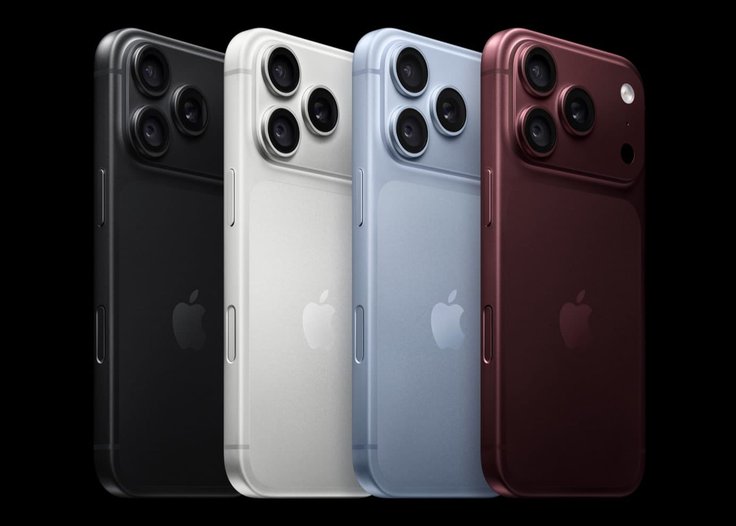
Apple has also replaced the previous color lineup with Deep Black, Silver, Glacier and Burgundy. The iPhone 18 Pro starts at $1,199, while the iPhone 18 Pro Max starts at $1,299. Preorders open on September 12, with sales starting September 18.
US iPhone 18 Pro models may use different modems
Apple’s own specifications suggest the iPhone 18 Pro and iPhone 18 Pro Max may use different cellular modems in the US.
The iPhone 18 Pro spec sheet explicitly lists Apple’s C2 modem, while the US version of the Pro Max does not identify its modem. Apple’s press release uses the same wording, mentioning the N1 wireless chip for both models but naming C2 only for the smaller Pro.
The difference may be intentional, since the two phones also list different LTE bands. The US iPhone 18 Pro supports Band 106, while the Pro Max does not. Apple has not explained why, though earlier reports suggested some models could continue using Qualcomm hardware. Supply could also be a factor, as the C2 is used in the iPhone Duo as well.
Outside the US, Apple lists the C2 modem for both Pro models, suggesting the difference may be limited to the American market.
The C2 supports both sub-6GHz and mmWave 5G, and Apple says it delivers better connection quality and stability through AI-driven improvements. It is also faster and more power-efficient than the previous C1X. Apple has not identified the modem used in the US iPhone 18 Pro Max, so a direct comparison is not yet possible.
iPhone 18 Pro brings eSIM to China for the first time
The mainland China version of the iPhone 18 Pro is the first Pro model Apple has sold there with eSIM support.
According to Apple’s Chinese specifications, it can work with two physical nano-SIM cards, one nano-SIM plus an eSIM, or two active eSIMs at once. Previous China-market Pro models supported only two physical SIMs, making the new version the most flexible configuration in the lineup.
eSIM was only approved in mainland China last year. Apple first introduced it there with the iPhone Air, which is sold without a physical SIM slot, followed by the iPhone 17e, which supports either eSIM or a standard nano-SIM.
Activation rules remain stricter than in most markets. Based on Apple’s instructions for the iPhone Air and iPhone 17e, users must activate eSIM in person at a carrier store with identity verification, and devices can store no more than two eSIM profiles. Apple has not yet clarified whether the same restrictions apply to the iPhone 18 Pro.
Elsewhere, Apple’s SIM strategy remains largely unchanged. The new Pro models are still sold without a physical SIM tray in the same 12 countries and regions as last year, while Europe, the UK, India and other markets retain a physical SIM slot alongside eSIM support.
Models without a SIM tray also get slightly better battery life because Apple uses the freed-up space for a larger battery, adding up to two extra hours of video playback.
The iPhone Duo is eSIM-only worldwide, with Apple saying the decision allowed it to free up more internal space for the battery.
Apple Watch Series 12 and Apple Watch Ultra 4
With its latest watches, Apple focused more heavily on health tracking than on redesigning the hardware.
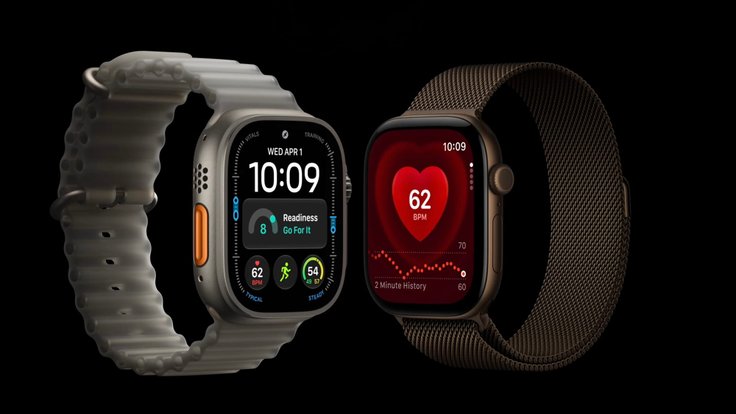
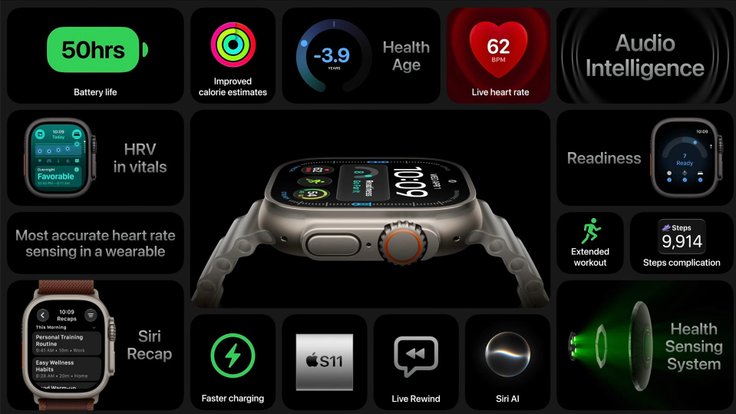
Both the Series 12 and Ultra 4 use the new S11 chip and Apple’s Health Sensing System. Larger green LEDs allow the watches to measure heart rate every five seconds throughout the day, while heart-rate variability is sampled more frequently. Those readings feed into a new Readiness Score, which rates how prepared the body is for exercise on a scale from 0 to 10.
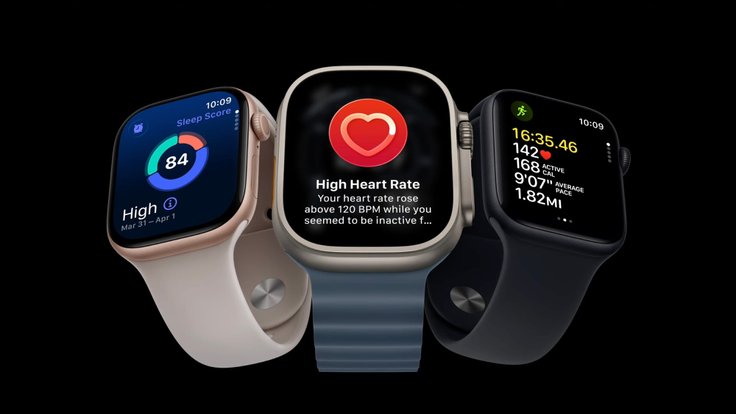
Apple also introduced several Audio Intelligence features. Live Rewind can surface a transcript of the previous 15 seconds of conversation, Siri Recap can generate short summaries of discussions, and the watches can recognize important environmental sounds such as sirens or doorbells.
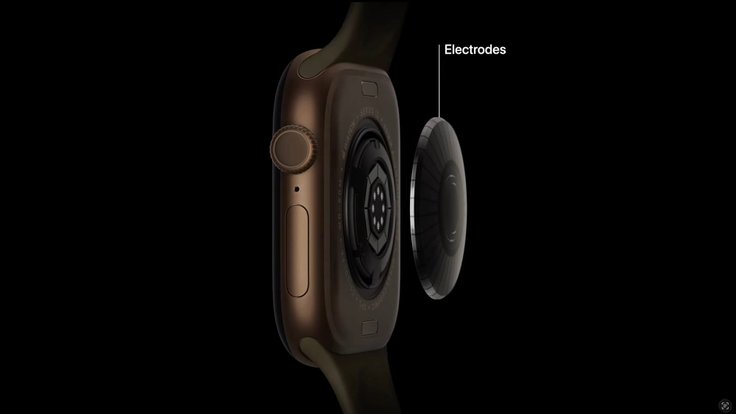
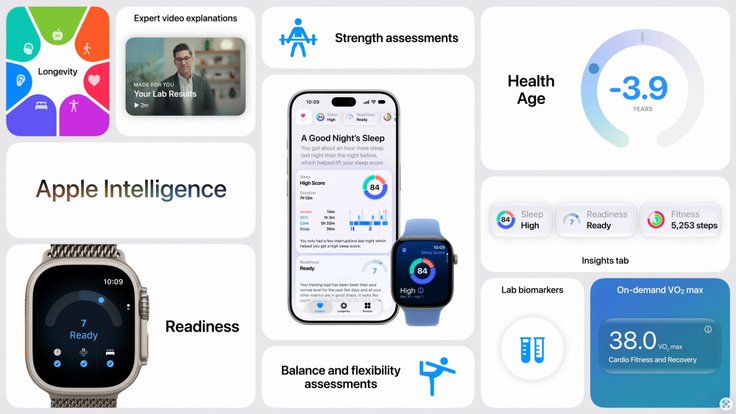
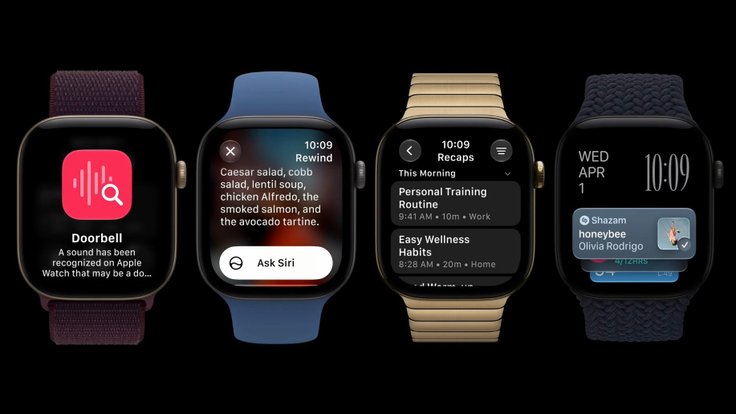
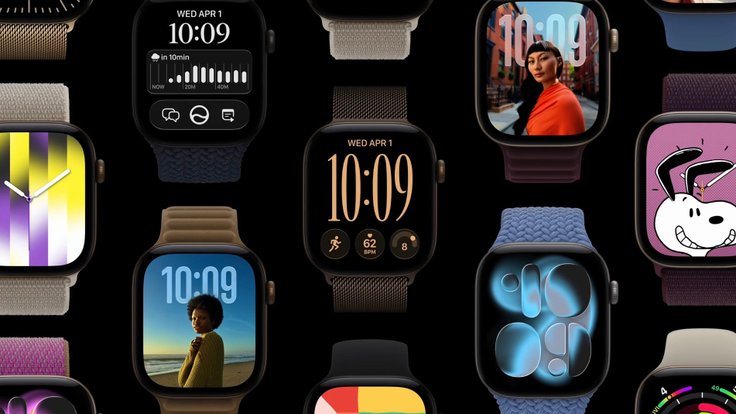
Apple Watch Series 12 comes in 42mm and 46mm sizes, with aluminum, titanium and ceramic case options. Ceramic also returns to the lineup, while aluminum models use tougher Ceramic Shield 2 glass. Battery life reaches up to 24 hours under normal use, and a 15-minute charge can provide up to another 12 hours.
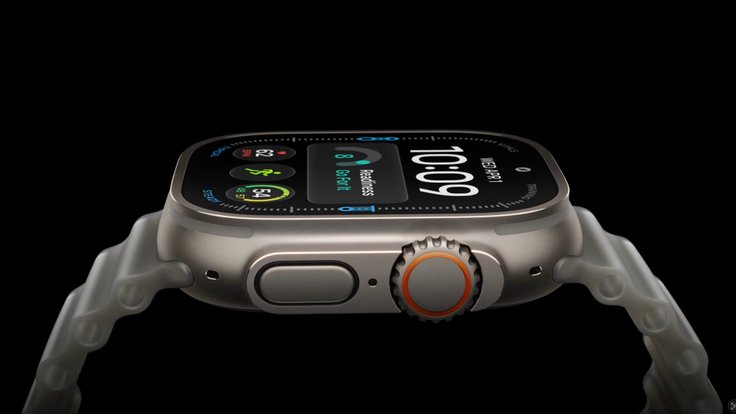
Apple Watch Ultra 4 retains its titanium case but gets a significant battery upgrade, reaching up to 50 hours in normal use and 84 hours in Low Power Mode. Continuous GPS tracking during workouts is rated for up to 45 hours.
Apple Watch Series 12 starts at $399, while Apple Watch Ultra 4 costs $799. Both go on sale September 18.
AirPods 5
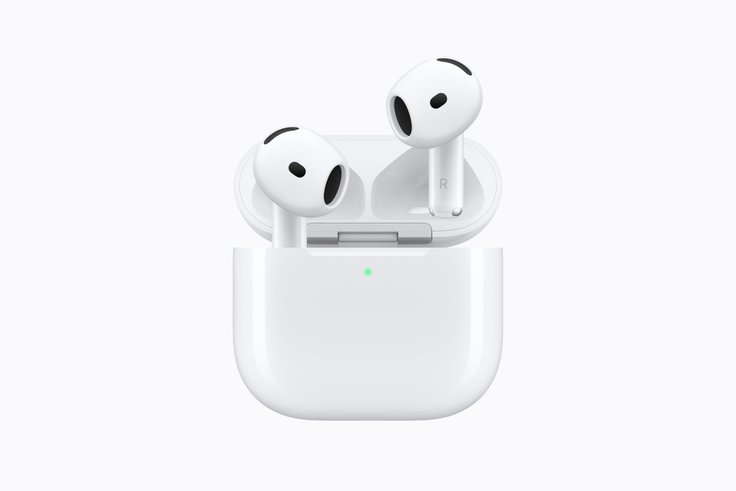
The fifth-generation AirPods keep the familiar open-ear design without silicone tips, but Apple has significantly upgraded Active Noise Cancellation.
Apple says AirPods 5 can block up to 50% more external noise than AirPods 4 with ANC, while Transparency Mode, Adaptive EQ and Adaptive Audio have also been reworked. Siri AI is more deeply integrated and can use personal context, while some prompts can be answered with a nod or shake of the head.
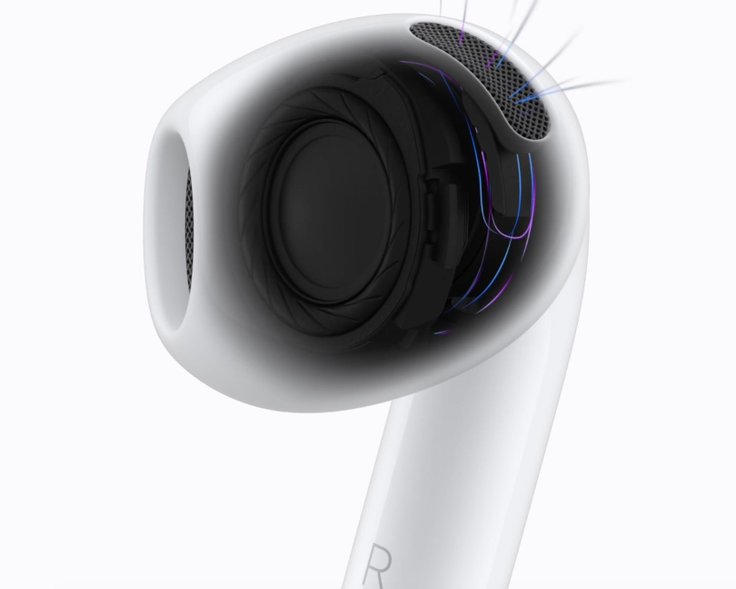
The earbuds also support Live Translation, allowing conversations to be translated in real time through the AirPods.
Apple is selling AirPods 5 in two versions. The $129 model now includes Active Noise Cancellation, while the $149 version adds a wireless charging case and swipe controls on the stems for volume adjustment.
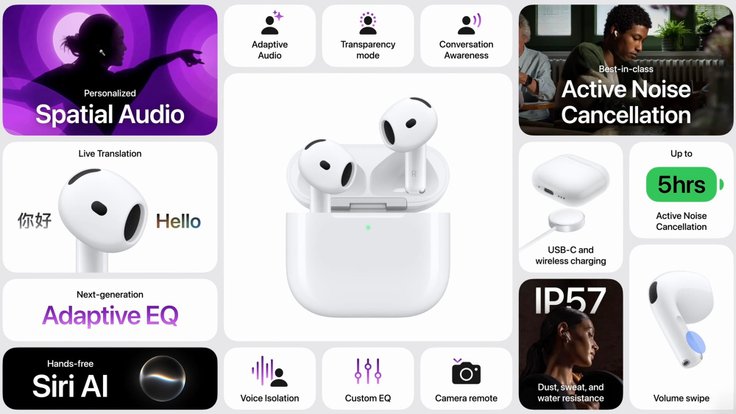
The higher-end version delivers up to five hours of listening with ANC enabled and up to 22 hours with the charging case. AirPods 5 go on sale September 18.
When Apple’s new products go on sale
Most of the hardware announced at the event arrives on September 18, including the iPhone 18 Pro and Pro Max, AirPods 5, Apple Watch Series 12 and Apple Watch Ultra 4.
The iPhone Duo will follow later, with preorders opening on October 16 and sales beginning October 23.









Editor’s pick