14:26
Australia prepares legal action against social media giants over under-16 ban

13:54
You can reserve Tesla’s new Roadster in the UAE for Dh210,000

12:49
Is AI getting out of control? Kaspersky on the risks that matter

18:26
Telegram launches Money, its built-in crypto wallet: Here's how it works

15:05
Telegram Desktop vulnerability allowed attackers to steal files with one click

12:33
Anthropic will ban repeated abuse of Claude under new usage rules
14:26
Australia prepares legal action against social media giants over under-16 ban
13:54
You can reserve Tesla’s new Roadster in the UAE for Dh210,000
12:49
Is AI getting out of control? Kaspersky on the risks that matter
18:26
Telegram launches Money, its built-in crypto wallet: Here's how it works
15:05
Telegram Desktop vulnerability allowed attackers to steal files with one click
12:33
Anthropic will ban repeated abuse of Claude under new usage rules
14:26
Australia prepares legal action against social media giants over under-16 ban
13:54
You can reserve Tesla’s new Roadster in the UAE for Dh210,000
12:49
Is AI getting out of control? Kaspersky on the risks that matter
18:26
Telegram launches Money, its built-in crypto wallet: Here's how it works
15:05
Telegram Desktop vulnerability allowed attackers to steal files with one click
12:33
Anthropic will ban repeated abuse of Claude under new usage rules
14:26
Australia prepares legal action against social media giants over under-16 ban
13:54
You can reserve Tesla’s new Roadster in the UAE for Dh210,000
12:49
Is AI getting out of control? Kaspersky on the risks that matter
18:26
Telegram launches Money, its built-in crypto wallet: Here's how it works
15:05
Telegram Desktop vulnerability allowed attackers to steal files with one click
12:33
Anthropic will ban repeated abuse of Claude under new usage rules

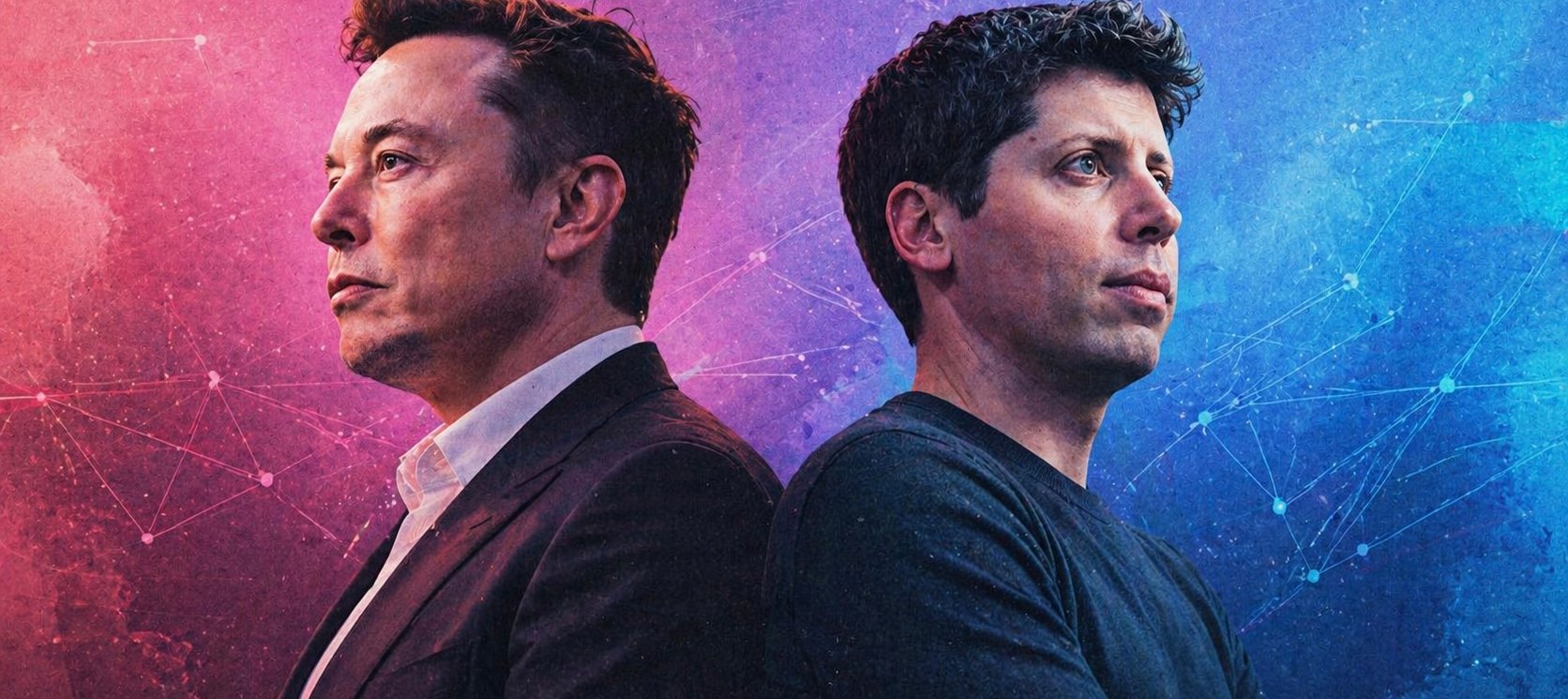
Elon Musk has taken the stand in federal court in Oakland against OpenAI CEO Sam Altman, building his testimony around a single argument: everything he has done in business has been driven by concern for the future of humanity, and Altman stole a charity.
Musk is seeking roughly $130 billion in damages from OpenAI, Altman, OpenAI president Greg Brockman, and Microsoft as a co-defendant. He is also asking the court to roll back OpenAI's transition to a for-profit structure and to remove Altman and Brockman from OpenAI's board. The trial is expected to last about three weeks.
Musk's testimony began with autobiography. He recalled his youth in South Africa, his move to Canada with C$2,500 in traveller's cheques and a bag of clothes and books, and then walked through his career in detail — from Zip2 and PayPal to his current companies. The unusually long autobiographical preamble worked towards a single point: none of his ventures had been about money.
SpaceX, he said, was conceived as "life insurance for life as we know it". He said he founded Tesla because of his concern over humanity's dependence on fossil fuels — a claim that can be disputed, since the billionaire joined an already existing company, although he significantly shaped its development.
The topic of AI, Musk said, had concerned him as far back as college. "It could make us more prosperous, but it could also kill us all," he told the court. He said OpenAI was co-founded to steer the technology away from a catastrophic outcome.
We want to be in a Gene Roddenberry movie, like Star Trek, not so much a James Cameron movie, like Terminator.
Musk then dropped the saviour's rhetoric and turned to direct accusation. "Fundamentally, I think they're going to try to make this lawsuit seem complicated. But I think it's very simple, which is, it's not OK to steal a charity," he told jurors. He added that siding with the defendants would "give license to looting every charity in America" and shake "the entire foundation of charitable giving".
OpenAI has rejected the case. The company says Musk was involved in early discussions about converting part of OpenAI to a for-profit and that in 2017 he himself agreed a for-profit was the next step for the company. OpenAI argues that the dispute is fundamentally a struggle over control rather than over the for-profit arm: according to the company, Musk wanted to lead the for-profit himself, and the other founders refused because no single person should have absolute control over OpenAI's mission. The company also points out that its for-profit entity is structured as a subsidiary of the non-profit OpenAI Foundation, which still oversees the organisation.
In court, OpenAI's lead attorney William Savitt told jurors that "we are here because Mr. Musk didn't get his way with OpenAI". According to Savitt, Musk had pushed in 2017 to turn OpenAI into a for-profit with himself in charge, then sought to merge it with Tesla, but the other founders rejected both proposals. Musk left the board in 2018, launched his own AI company xAI in 2023, now a subsidiary of his aerospace firm SpaceX, and only filed suit after that.
The stakes go beyond the dispute itself. OpenAI is preparing for an initial public offering that could come as soon as this year, and a verdict in Musk's favor would force governance changes that may complicate the listing. Musk also runs xAI, his own AI company and a direct competitor to OpenAI.
OpenAI was founded in 2015 as a non-profit organization with the mission of developing artificial intelligence for the benefit of all humanity. In 2019 the company created a capped-profit commercial arm, OpenAI LP, which allowed it to raise investment, including billions of dollars from Microsoft. Musk left OpenAI's board in 2018, citing a potential conflict of interest with Tesla.



Editor’s pick