18:26
Telegram launches Money, its built-in crypto wallet: Here's how it works

15:05
Telegram Desktop vulnerability allowed attackers to steal files with one click

12:33
Anthropic will ban repeated abuse of Claude under new usage rules

12:02
Apple could unveil its first touchscreen MacBook Pro on October 27

11:46
Meta bans TikTok ads on Facebook and Instagram in seven countries

11:25
Apple reportedly cuts iPhone 18 Pro orders just weeks after launch
18:26
Telegram launches Money, its built-in crypto wallet: Here's how it works
15:05
Telegram Desktop vulnerability allowed attackers to steal files with one click
12:33
Anthropic will ban repeated abuse of Claude under new usage rules
12:02
Apple could unveil its first touchscreen MacBook Pro on October 27
11:46
Meta bans TikTok ads on Facebook and Instagram in seven countries
11:25
Apple reportedly cuts iPhone 18 Pro orders just weeks after launch
18:26
Telegram launches Money, its built-in crypto wallet: Here's how it works
15:05
Telegram Desktop vulnerability allowed attackers to steal files with one click
12:33
Anthropic will ban repeated abuse of Claude under new usage rules
12:02
Apple could unveil its first touchscreen MacBook Pro on October 27
11:46
Meta bans TikTok ads on Facebook and Instagram in seven countries
11:25
Apple reportedly cuts iPhone 18 Pro orders just weeks after launch
18:26
Telegram launches Money, its built-in crypto wallet: Here's how it works
15:05
Telegram Desktop vulnerability allowed attackers to steal files with one click
12:33
Anthropic will ban repeated abuse of Claude under new usage rules
12:02
Apple could unveil its first touchscreen MacBook Pro on October 27
11:46
Meta bans TikTok ads on Facebook and Instagram in seven countries
11:25
Apple reportedly cuts iPhone 18 Pro orders just weeks after launch

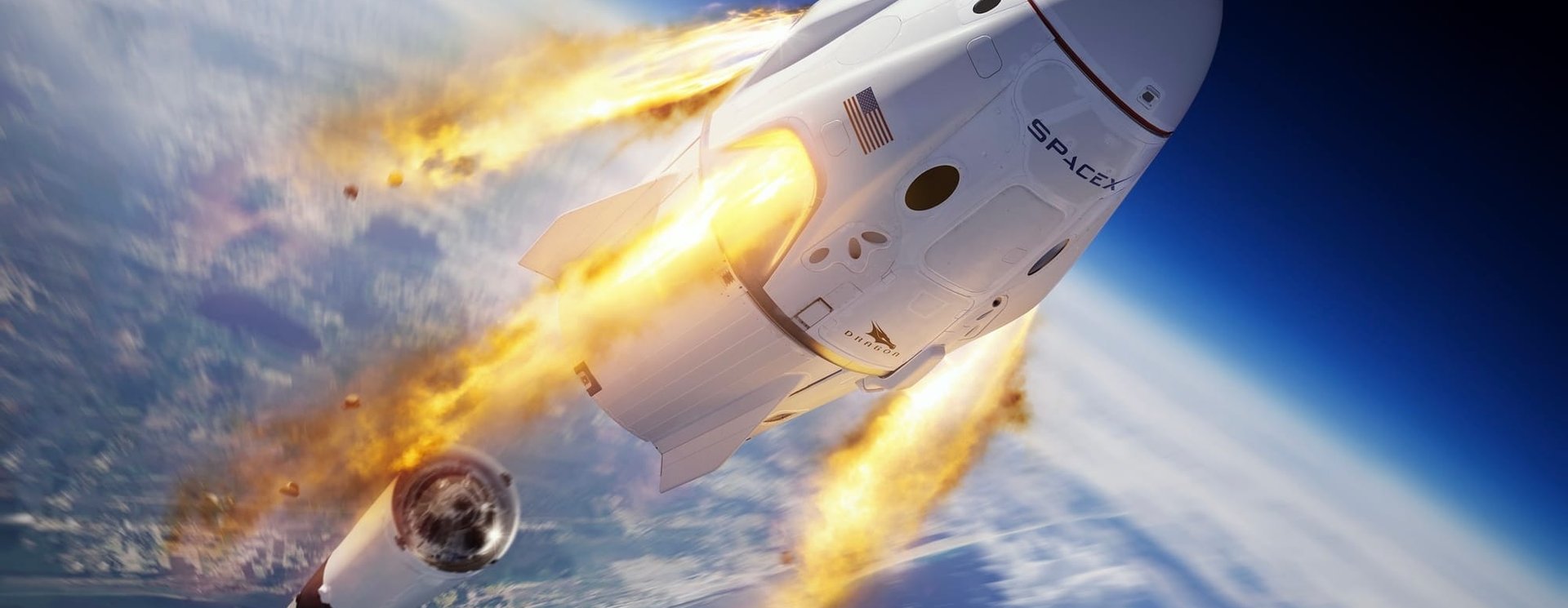
SpaceX has sent Starship into Earth orbit for the first time, marking a major milestone for the rocket program on its 14th integrated test flight.
Starship lifted off from the company's Starbase facility in Texas on September 28. Unlike all 13 previous test flights, which followed suborbital trajectories, Flight 14 successfully placed the spacecraft into an orbit roughly 275 kilometers above Earth. The milestone came despite one engine shutting down earlier than planned during ascent. The nearly 10-hour mission is expected to take Starship around the planet about six times before a planned deorbit burn and controlled splashdown in the Pacific Ocean west of Chile.
Starship has also successfully deployed all 26 Starlink V3 satellites carried on the mission, marking the first time SpaceX has placed its third-generation Starlink satellites into orbit. Each satellite is designed to add 1 Tbps of network capacity, giving the batch a combined 26 Tbps. Three of the satellites are equipped with additional cameras to monitor Starship's heat shield from orbit.
SpaceX made several hardware changes ahead of the flight. Ship 41 uses redesigned curved heat-shield tiles and reinforced attachment hardware, while two tiles were reused from Flight 13. The Super Heavy booster also received changes to its propellant filtration system and Raptor relight procedures after ice obstructed its center engines during the previous flight's landing sequence.
For the final phase of Flight 14, SpaceX plans to perform a deorbit burn before sending Starship through a controlled atmospheric reentry and attempting a splashdown in the Pacific Ocean.








Editor’s pick