11:13
Binance says a fake job interview and an internal AI tool helped attackers steal $6.3 billion

12:58
Apple approaches $500 billion in annual sales after record iPhone year

11:28
Anthropic’s IPO comes with a warning about self-improving AI

17:20
WIRED uncovers hidden sexual deepfake tools behind ordinary AI apps

12:17
Abu Dhabi and OpenAI launch ‘world-first’ machine-readable government initiative

11:22
Fragment drops mandatory KYC for Telegram Stars and Premium purchases
11:13
Binance says a fake job interview and an internal AI tool helped attackers steal $6.3 billion
12:58
Apple approaches $500 billion in annual sales after record iPhone year
11:28
Anthropic’s IPO comes with a warning about self-improving AI
17:20
WIRED uncovers hidden sexual deepfake tools behind ordinary AI apps
12:17
Abu Dhabi and OpenAI launch ‘world-first’ machine-readable government initiative
11:22
Fragment drops mandatory KYC for Telegram Stars and Premium purchases
11:13
Binance says a fake job interview and an internal AI tool helped attackers steal $6.3 billion
12:58
Apple approaches $500 billion in annual sales after record iPhone year
11:28
Anthropic’s IPO comes with a warning about self-improving AI
17:20
WIRED uncovers hidden sexual deepfake tools behind ordinary AI apps
12:17
Abu Dhabi and OpenAI launch ‘world-first’ machine-readable government initiative
11:22
Fragment drops mandatory KYC for Telegram Stars and Premium purchases
11:13
Binance says a fake job interview and an internal AI tool helped attackers steal $6.3 billion
12:58
Apple approaches $500 billion in annual sales after record iPhone year
11:28
Anthropic’s IPO comes with a warning about self-improving AI
17:20
WIRED uncovers hidden sexual deepfake tools behind ordinary AI apps
12:17
Abu Dhabi and OpenAI launch ‘world-first’ machine-readable government initiative
11:22
Fragment drops mandatory KYC for Telegram Stars and Premium purchases

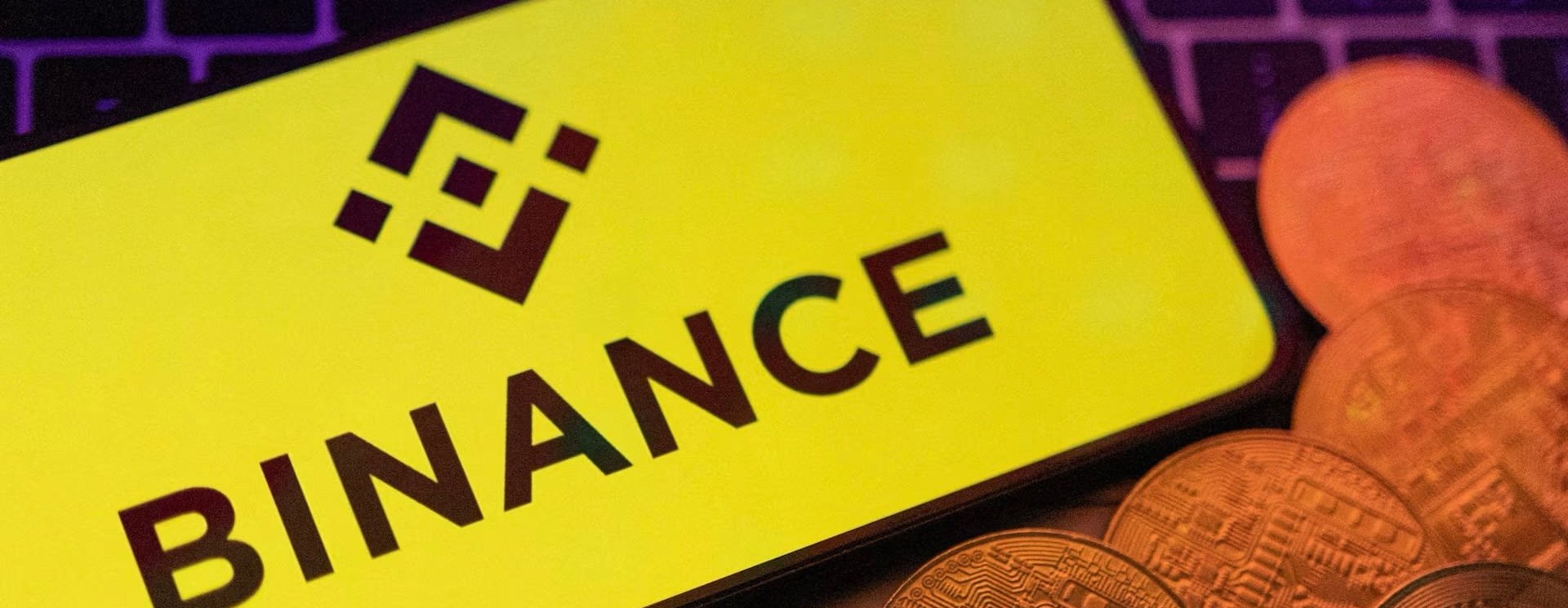
Binance says a fake job interview and an internal AI tool helped attackers steal $6.3 billion
Binance says the hackers behind its $6.3 billion theft posed as recruiters and sent an engineer a coding assignment laced with malware. They later used an internal AI tool to reach the team responsible for the exchange’s wallets.
The first signs of the attack appeared in June, when a wallet engineer downloaded a tampered Homebrew installer while setting up an AI coding tool. Binance replaced his computer and reset his credentials. By then, the attackers had learned what he did and who else worked on the wallet team.
In September, the attackers approached a different engineer through a job site and arranged two interviews for a fictitious company. The coding assignment they sent ran malicious software during setup on his work computer, evading the device’s defenses.
On October 20, the attackers used that computer and Binance’s internal AI tool to gain access to two wallet engineers’ machines. Nine days later, they used stolen credentials to run code that reached the service Binance uses to sign wallet transactions. Five wallets sent 233.46 million XRP to the attackers in four minutes. Transfers of SOL, OP and BTC followed.
Why the transfers continued
On Ethereum, the attackers used a feature called EIP-7702 to give a smart contract they controlled permission to act on behalf of a Binance wallet. Suspending withdrawals left those permissions in place. The last unauthorized transfer, for 2,961.9 ETH, cleared at 23:56 UTC on October 29. Binance revoked the permissions 14 minutes later.
The FBI attributed the theft to a North Korean hacking operation it calls TraderTraitor. Binance has since rebuilt the affected wallet system and AI tool and is bringing in outside security experts to review its findings.
What Binance has recovered
Binance began reopening withdrawals on November 1 for selected assets across 15 networks, as Durov’s Code previously reported.
The exchange said on November 3 that about $2.85 billion of the $6.34 billion in affected assets had been frozen or intercepted. It also said it had replenished 98% of the affected tokens in its reserves by October 31 and set aside enough of its own funds to cover the full loss.




Editor’s pick