18:26
Telegram launches Money, its built-in crypto wallet: Here's how it works

15:05
Telegram Desktop vulnerability allowed attackers to steal files with one click

12:33
Anthropic will ban repeated abuse of Claude under new usage rules

12:02
Apple could unveil its first touchscreen MacBook Pro on October 27

11:46
Meta bans TikTok ads on Facebook and Instagram in seven countries

11:25
Apple reportedly cuts iPhone 18 Pro orders just weeks after launch
18:26
Telegram launches Money, its built-in crypto wallet: Here's how it works
15:05
Telegram Desktop vulnerability allowed attackers to steal files with one click
12:33
Anthropic will ban repeated abuse of Claude under new usage rules
12:02
Apple could unveil its first touchscreen MacBook Pro on October 27
11:46
Meta bans TikTok ads on Facebook and Instagram in seven countries
11:25
Apple reportedly cuts iPhone 18 Pro orders just weeks after launch
18:26
Telegram launches Money, its built-in crypto wallet: Here's how it works
15:05
Telegram Desktop vulnerability allowed attackers to steal files with one click
12:33
Anthropic will ban repeated abuse of Claude under new usage rules
12:02
Apple could unveil its first touchscreen MacBook Pro on October 27
11:46
Meta bans TikTok ads on Facebook and Instagram in seven countries
11:25
Apple reportedly cuts iPhone 18 Pro orders just weeks after launch
18:26
Telegram launches Money, its built-in crypto wallet: Here's how it works
15:05
Telegram Desktop vulnerability allowed attackers to steal files with one click
12:33
Anthropic will ban repeated abuse of Claude under new usage rules
12:02
Apple could unveil its first touchscreen MacBook Pro on October 27
11:46
Meta bans TikTok ads on Facebook and Instagram in seven countries
11:25
Apple reportedly cuts iPhone 18 Pro orders just weeks after launch

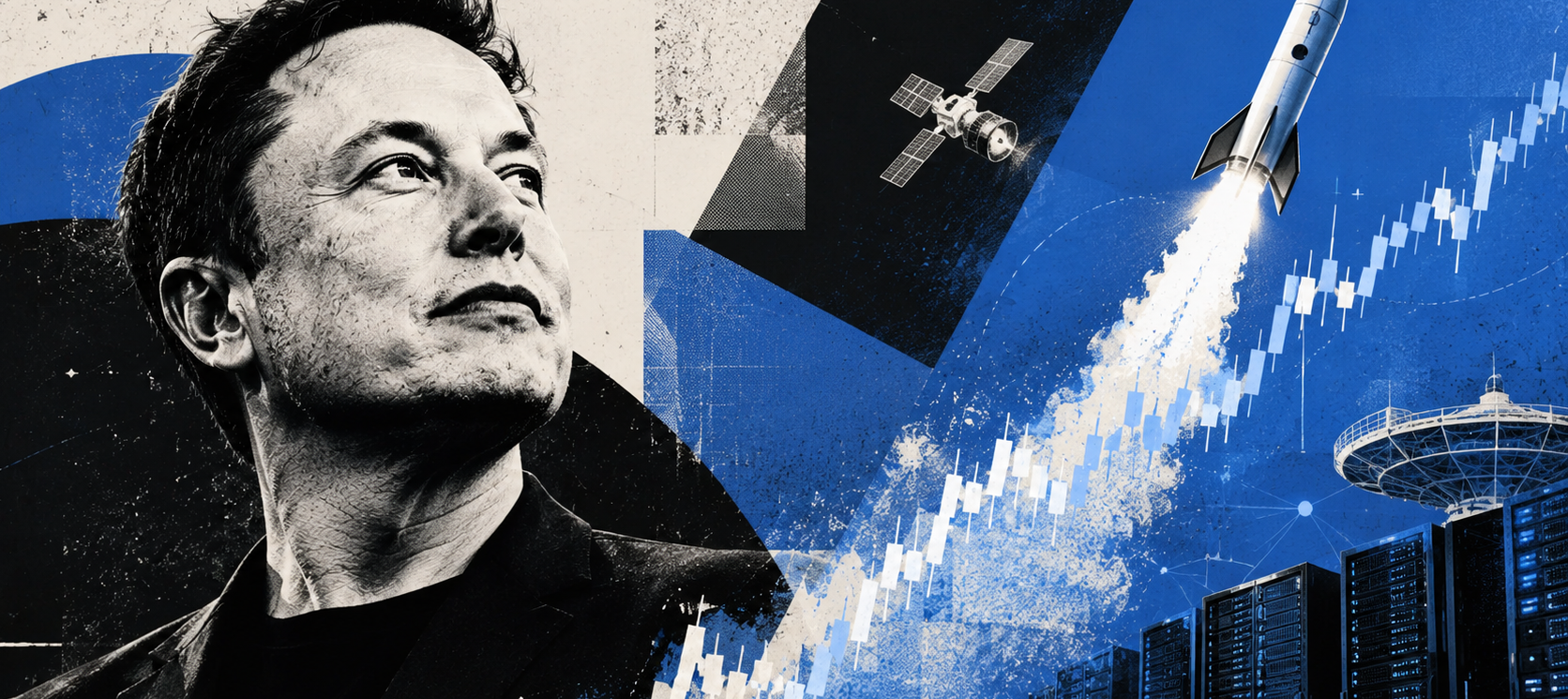
Inside SpaceX's historic IPO and Musk's $1 trillion bet on AI
One week after its Nasdaq debut, SpaceX remains one of the most talked-about companies on Wall Street.
The company raised $75 billion in the largest IPO in history, more than twice the size of Saudi Aramco's previous record-setting listing in 2019. After underwriters exercised their greenshoe option, total proceeds increased to $85.7 billion, with the overallotment alone bringing in $10.7 billion — more than most technology companies have ever raised in an IPO.
The listing did more than raise money. It briefly pushed SpaceX above a $2 trillion valuation, turned Elon Musk into the world's first trillionaire, created thousands of new millionaires inside the company, and gave SpaceX a powerful new currency for acquisitions.
A week later, investors are beginning to look beyond the headlines. The bigger question is why Musk chose this moment to go public — and why SpaceX suddenly looks as interested in artificial intelligence as it does in rockets.
The numbers behind the debut
SpaceX sold more than 555 million shares at $135 each under the ticker SPCX. The stock opened at $150 and closed its first session at $160.95, nearly 19% above the IPO price. Roughly $85 billion worth of shares were traded on that first day alone, making SpaceX the most actively traded stock on Nasdaq. Volume remained high throughout the week, averaging around $66 billion per session across the first three days.
At the IPO price, SpaceX was valued at approximately $1.77 trillion. Following the first-day rally, its market capitalization crossed $2 trillion, placing it among the largest public companies in the United States. During the week, shares climbed further before pulling back sharply. By June 18, the stock was trading in the $178 to $185 range, still more than 30% above the offering price.
Musk becomes a trillionaire
The biggest winner was, unsurprisingly, Elon Musk. Musk holds approximately 42% of SpaceX's equity and controls roughly 82% of the company's voting power through a dual-class share structure.
As SpaceX shares surged after the IPO, his net worth briefly crossed $1 trillion, making him the first person in history to reach that threshold. Although the figure has fluctuated alongside the stock price, the IPO dramatically widened the gap between Musk and every other billionaire on the planet.
Thousands of employees become millionaires
The gains extended well beyond Musk. According to investor platform Hill.com, more than 4,400 current and former employees became millionaires after the listing, while around 400 are expected to hold stakes worth more than $100 million.
Engineer Gavin Petit's experience captures the scale of the wealth creation. He joined SpaceX in 2012 with an $80,000 salary and several thousand shares priced at $13.80 each. Over the years he accepted much of his compensation in stock and held on to most of it. By the time SpaceX went public, he owned more than 50,000 shares. He later described the IPO as a life-changing event and compared it to winning the lottery.
Why Musk moved now
The decision was particularly surprising because SpaceX had spent years telling employees and investors that it saw little reason to pursue a public listing. The company regularly raised private capital at increasingly higher valuations, while employees were able to sell shares through internal liquidity programs. Until recently, there appeared to be little pressure to change that approach.
According to Bloomberg, Musk wanted to complete the offering before the U.S. midterm election cycle intensified, while the current political environment remained in place.
Market dynamics likely played a role as well. OpenAI and Anthropic are both preparing for potential public listings, and moving first allowed SpaceX to capture investor attention before the next wave of AI-related IPOs reaches the market.
Even Musk appeared surprised by the outcome. After trading closed, he said it was hard to believe SpaceX had just completed the largest IPO in history.
I gave SpaceX less than a 10% chance of succeeding at all, to be clear," he said. "I said, look, we're probably going to fail, but we should give it a try because if we don't, if there's not a new company that enters space, we will never be a truly space-faring civilization.
The most important story may have little to do with rockets
Why would a company that had no trouble raising private capital suddenly need public markets? The answer appears to lie in SpaceX's long-term strategy. Increasingly, the company is positioning itself not just as a space business, but as a future AI infrastructure provider.
That shift accelerated in early 2026 when SpaceX merged with xAI, Musk's artificial intelligence company, which had previously absorbed X. Musk's thesis is straightforward: future AI systems will require far more computing power, electricity, and cooling than traditional data centers can realistically provide. In the long run, some of that infrastructure may need to move into orbit.
SpaceX has already started investing around that vision. The company has secured computing partnerships with Google and Anthropic and recently moved forward with a $60 billion acquisition of Cursor, one of the most widely used AI coding platforms.
 Daria Ivanova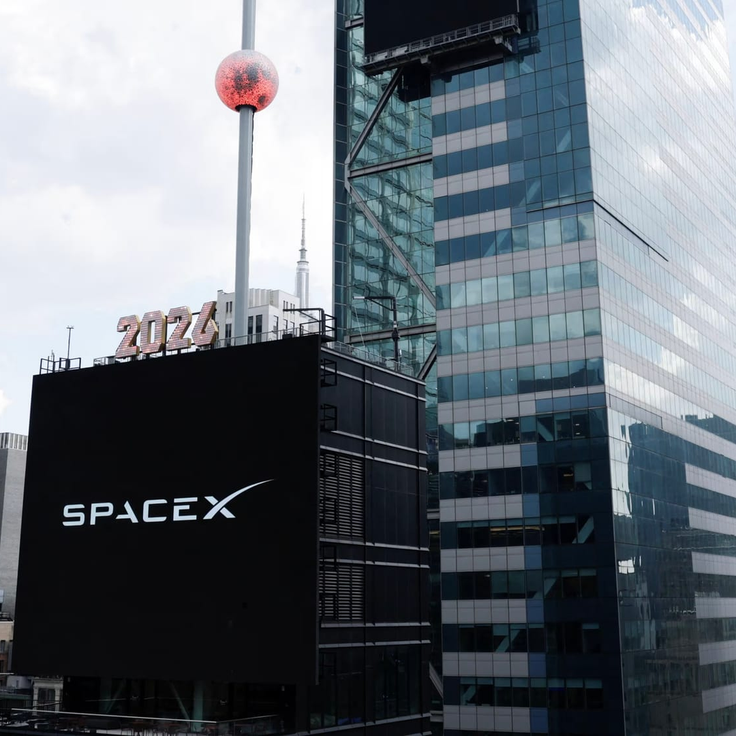
The scale of those ambitions is reflected in SpaceX's own projections. In its IPO prospectus, the company estimated the long-term AI market opportunity at $26.5 trillion and outlined plans that include deploying up to one million data-center satellites. Just days before the IPO, SpaceX also unveiled AI1, its first satellite designed specifically for AI workloads.
What the pullback revealed
The sharp reversal from the post-IPO highs offered an early reminder that investors are still trying to determine what SpaceX is actually worth.
After shares climbed well above the initial offering price, the stock lost more than 20% from its peak as investors began reassessing whether the ascent could be justified by fundamentals. Starlink remains the only consistently profitable part of the business. Starship, orbital AI infrastructure, and next-generation satellite systems all require enormous investment and may take years to generate meaningful returns.
The listing will also have broader consequences as major index providers begin considering SpaceX for inclusion in benchmark indices, potentially leading pension funds, ETFs, and other passive investment vehicles to gain exposure to the stock.
The IPO is already being closely watched as an indicator of investor appetite ahead of future listings from OpenAI, Anthropic, and other major AI-adjacent companies. Whether that appetite holds will only become clearer once the next wave of listings actually arrives.
The bottom line
SpaceX's IPO broke records on several fronts: the largest public offering in history, the world's first trillionaire, and thousands of new employee millionaires. But behind the headline numbers sits a more important story. This is no longer the same company that started launching rockets in 2002.
Musk is using public markets to finance SpaceX's shift toward artificial intelligence, including orbital data centers, AI-powered satellites, and the computing infrastructure needed to support future AI systems.
Whether those ambitions can ultimately turn into profits remains an open question, particularly while Starlink continues to generate most of the company's earnings. What is already clear is that SpaceX has opened the door for a new generation of AI listings — and the rest of the industry is watching closely.





Editor’s pick