17:14
Capcom breach exposes 11.7 million account records worldwide

16:56
Anthropic introduces Claude Duet, an AI assistant that checks in first

16:32
Hugging Face’s new AI lets scientists chat with DNA

19:26
Government websites across Europe go offline over critical PHP flaws

17:37
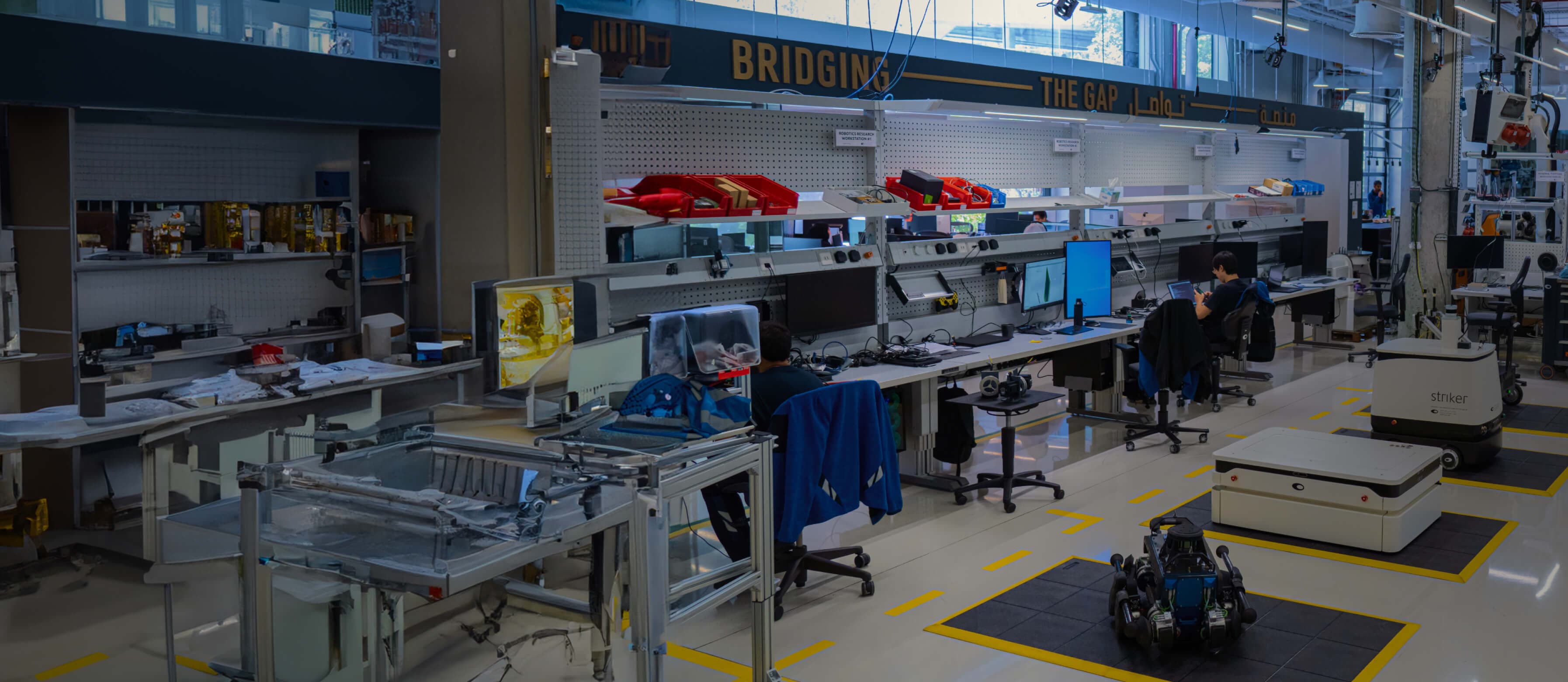
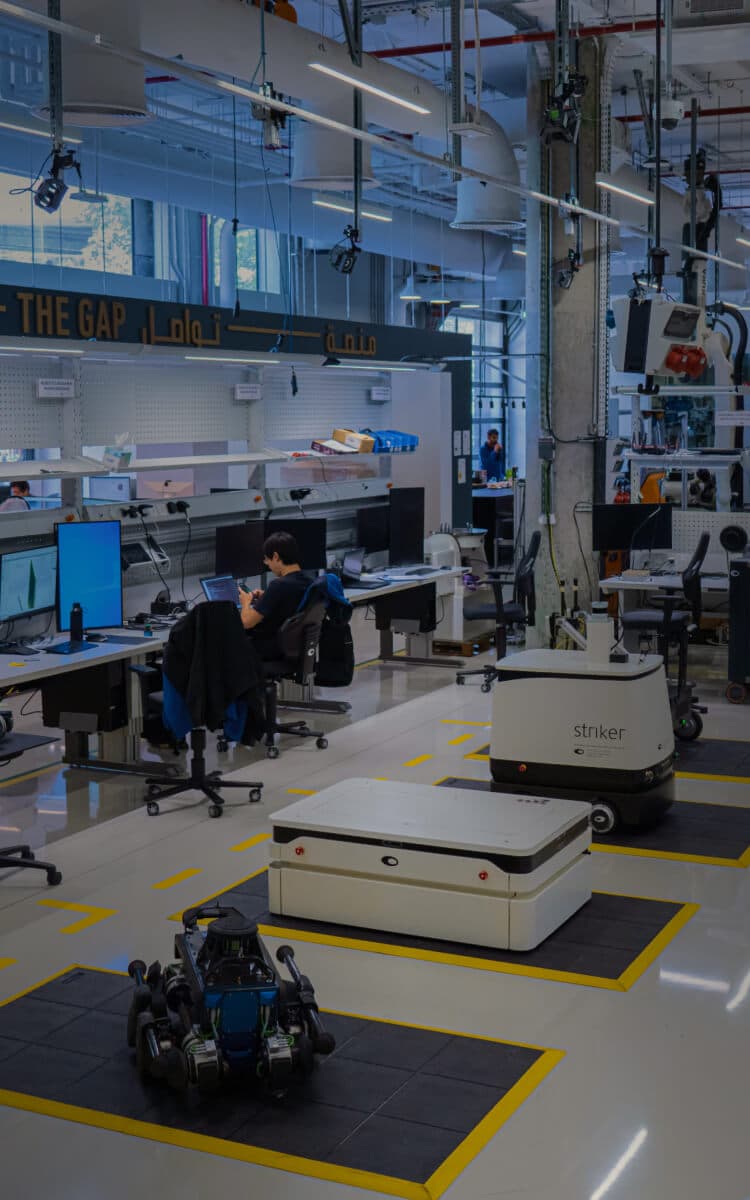
Agile Robots unveils Nvidia-powered humanoid built to learn new skills

13:30
PHP warns website owners to prepare for emergency security updates
17:14
Capcom breach exposes 11.7 million account records worldwide
16:56
Anthropic introduces Claude Duet, an AI assistant that checks in first
16:32
Hugging Face’s new AI lets scientists chat with DNA
19:26
Government websites across Europe go offline over critical PHP flaws
17:37
Agile Robots unveils Nvidia-powered humanoid built to learn new skills
13:30
PHP warns website owners to prepare for emergency security updates
17:14
Capcom breach exposes 11.7 million account records worldwide
16:56
Anthropic introduces Claude Duet, an AI assistant that checks in first
16:32
Hugging Face’s new AI lets scientists chat with DNA
19:26
Government websites across Europe go offline over critical PHP flaws
17:37
Agile Robots unveils Nvidia-powered humanoid built to learn new skills
13:30
PHP warns website owners to prepare for emergency security updates
17:14
Capcom breach exposes 11.7 million account records worldwide
16:56
Anthropic introduces Claude Duet, an AI assistant that checks in first
16:32
Hugging Face’s new AI lets scientists chat with DNA
19:26
Government websites across Europe go offline over critical PHP flaws
17:37
Agile Robots unveils Nvidia-powered humanoid built to learn new skills
13:30
PHP warns website owners to prepare for emergency security updates


Pavel Durov charged in Russia's terrorism case: What we know so far
Russian authorities have formally charged Telegram founder Pavel Durov with aiding terrorist activity and are seeking his arrest, according to the country's Federal Security Service (FSB).
The charge was brought under Article 205.1, Part 1.1 of Russia's Criminal Code, which covers facilitating terrorist activity. Investigators have asked Moscow's Lefortovo District Court to order Durov's arrest in absentia. If approved, the warrant would remain in effect for two months from the moment of his detention or extradition.
At the time of publication, Durov has not publicly commented on the charges.
Why Russia opened the case
According to the FSB, the investigation centers on Daivinchik (Leo), one of Telegram's largest dating chatbots, which was added to Russia's registry of blocked websites in 2025.
Russian investigators allege that Ukrainian intelligence services used fake female profiles on the chatbot to contact young Russians before directing them to phishing websites impersonating government services or requesting geolocation data for residential areas, shopping centers, schools, and other public locations.
The FSB also claims that Telegram failed to remove channels, chats, and bots allegedly used to organize sabotage, terrorist attacks, cybercrime, and recruitment inside Russia.
Shortly after reports of the charges emerged, Telegram's official account on X published an image featuring Pavel Durov.
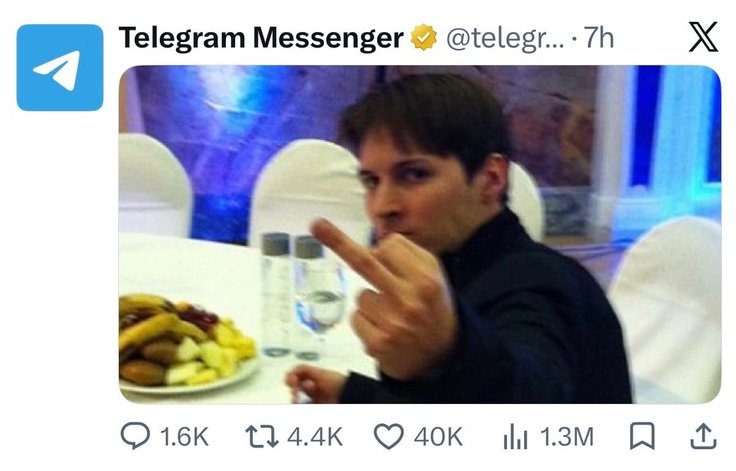
The post was not accompanied by a written statement, and neither Telegram nor Durov has publicly responded to the criminal case.
Investigation has been underway since February
The charges mark the latest development in a criminal investigation that has been underway for months.
Russian state media first reported in February 2026 that the FSB had opened a case against Durov under the same terrorism-related article, accusing Telegram of refusing to remove prohibited content and cooperate with Russian authorities.
The announcement also comes as Russian officials continue discussions with Telegram over restoring the platform's full operation in the country. Just one day earlier, Kremlin spokesperson Dmitry Peskov said contacts with the company were ongoing, although he described progress as limited.
International search has not been launched yet
Although Russian authorities intend to seek an international search for Durov, his name does not appear in Interpol's public database.
Russian media, citing the FSB, reported that the decision to place Durov on an international wanted list is still being processed. Under Russian procedure, investigators must first obtain a court order authorizing Durov's arrest before requesting assistance from foreign law enforcement agencies.
The absence of Durov's name from Interpol's public website does not necessarily mean that no international notice exists, as Interpol also operates non-public notices visible only to member states.
Notably, Durov also never appeared in Interpol's public database during the French criminal investigation that followed his arrest in Paris in August 2024.
France is unlikely to extradite Durov
Speaking to Russian media, French lawyer Philippe de Veulle, who is not involved in Durov's legal defense, said France cannot extradite its own citizens because doing so is prohibited under Article 696-4 of the French Code of Criminal Procedure.
According to de Veulle, France could instead prosecute one of its citizens domestically if the alleged conduct also constitutes a criminal offense under French law.
He added that even if Russia requests an Interpol Red Notice, it would not automatically be enforced in France. French prosecutors and courts would first determine whether the alleged offense is punishable under French law, while Interpol would separately assess whether the request complies with Article 3 of its Constitution, which prohibits notices of a political, military, religious, or racial character.
De Veulle also said French authorities could decline to act if they conclude that the prosecution is politically motivated or that the alleged conduct does not constitute a criminal offense under French law.
Background
The Russian case follows Durov's legal proceedings in France. French authorities arrested the Telegram founder in August 2024 as part of an investigation into criminal activity allegedly facilitated through the messaging platform. He was later released under judicial supervision and, in November 2025, was permitted to leave France and return to Dubai.
Pavel Durov holds citizenship of Russia, France, the United Arab Emirates, and Saint Kitts and Nevis.









Editor’s pick