12:33
Anthropic will ban repeated abuse of Claude under new usage rules

12:02
Apple could unveil its first touchscreen MacBook Pro on October 27

11:46
Meta bans TikTok ads on Facebook and Instagram in seven countries

11:25
Apple reportedly cuts iPhone 18 Pro orders just weeks after launch

10:59
Telegram 13.0 arrives with a redesigned interface and major Wallet changes

16:31
Samsung reportedly cuts phone production by up to 30% as memory costs soar
12:33
Anthropic will ban repeated abuse of Claude under new usage rules
12:02
Apple could unveil its first touchscreen MacBook Pro on October 27
11:46
Meta bans TikTok ads on Facebook and Instagram in seven countries
11:25
Apple reportedly cuts iPhone 18 Pro orders just weeks after launch
10:59
Telegram 13.0 arrives with a redesigned interface and major Wallet changes
16:31
Samsung reportedly cuts phone production by up to 30% as memory costs soar
12:33
Anthropic will ban repeated abuse of Claude under new usage rules
12:02
Apple could unveil its first touchscreen MacBook Pro on October 27
11:46
Meta bans TikTok ads on Facebook and Instagram in seven countries
11:25
Apple reportedly cuts iPhone 18 Pro orders just weeks after launch
10:59
Telegram 13.0 arrives with a redesigned interface and major Wallet changes
16:31
Samsung reportedly cuts phone production by up to 30% as memory costs soar
12:33
Anthropic will ban repeated abuse of Claude under new usage rules
12:02
Apple could unveil its first touchscreen MacBook Pro on October 27
11:46
Meta bans TikTok ads on Facebook and Instagram in seven countries
11:25
Apple reportedly cuts iPhone 18 Pro orders just weeks after launch
10:59
Telegram 13.0 arrives with a redesigned interface and major Wallet changes
16:31
Samsung reportedly cuts phone production by up to 30% as memory costs soar

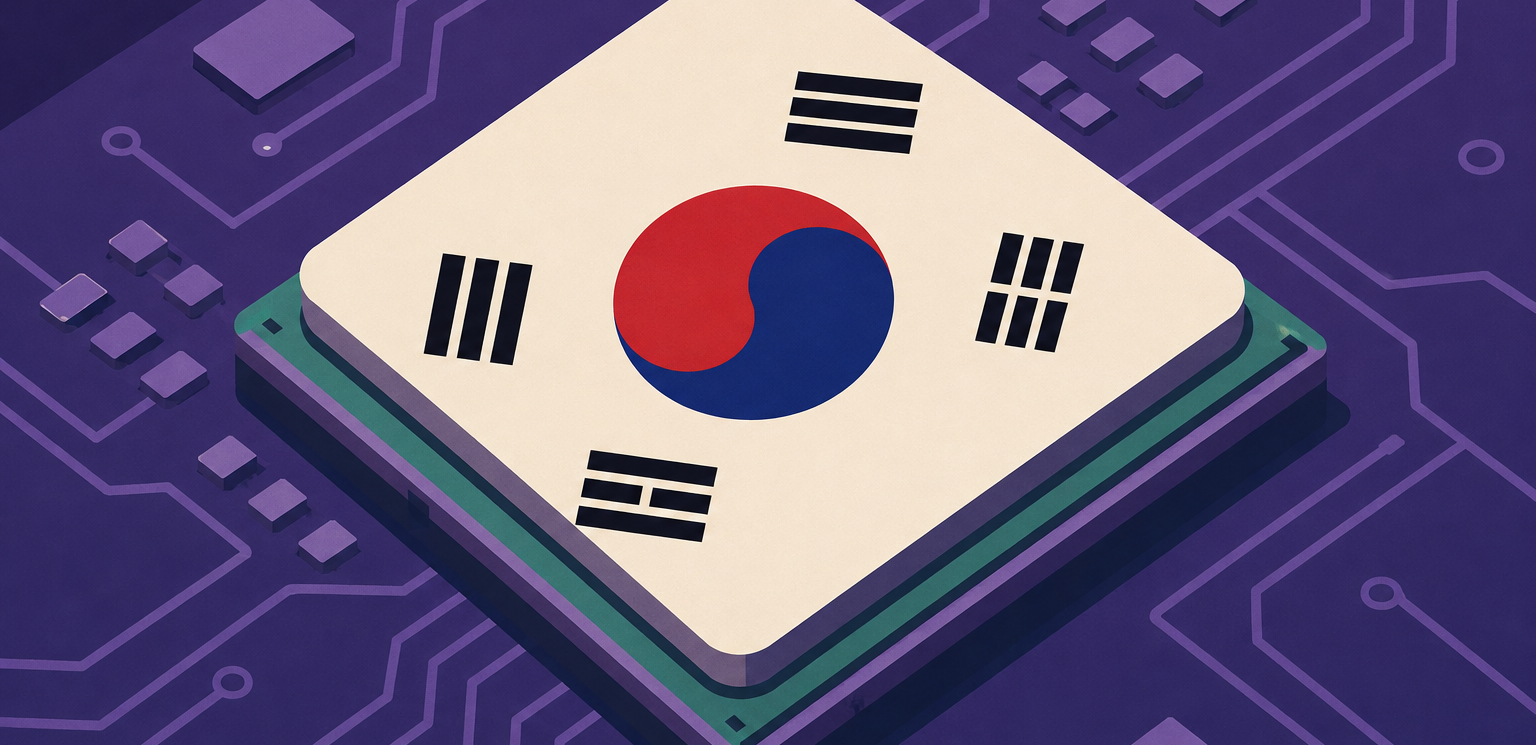
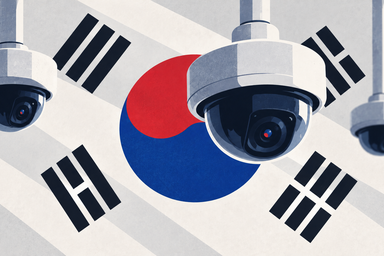
South Korea plans to give every citizen free access to generative AI services under a nationwide program called “AI for All.”
The program will offer unlimited tokens, effectively removing usage limits for participating AI services, The Wall Street Journal reports. The government hopes the initiative will accelerate adoption of homegrown AI models while reducing South Korea’s reliance on technology from the US and China.
The services will connect directly with public-sector platforms, allowing people to use AI to book medical appointments, search for housing and get help with taxes. Small businesses will be able to calculate tax obligations and check their eligibility for government support, while parents will have access to tools offering guidance on their children’s education.
Three technology consortiums will provide the services, bringing together two of the country’s largest telecom operators and Kakao, the company behind South Korea’s popular super app and the Kanana AI model. Each consortium will launch a dedicated app while also integrating the technology into its existing platforms.
The government will provide much of the computing infrastructure, allocating up to 512 Nvidia B200 acceleratorsacross the consortiums and helping cover operating costs. Beta testing is due to begin in September, with a full rollout planned for the end of 2026. The initiative is backed by a significant increase in public spending, with President Lee Jae Myung’s administration allocating about 10 trillion won ($7.2 billion) to AI development in 2026, roughly three times last year’s budget.
South Korea is already one of the world’s most active markets for generative AI. Government estimates suggest around a quarter of the population pays for AI services, compared with about 2% in the US, while more than 20 million people in the country use free AI products. The new program extends that adoption into a broader push for technological sovereignty, with the government seeking to make domestic models and infrastructure the default for everyday AI use rather than relying on foreign platforms.





Editor’s pick