15:05
Telegram Desktop vulnerability allowed attackers to steal files with one click

12:33
Anthropic will ban repeated abuse of Claude under new usage rules

12:02
Apple could unveil its first touchscreen MacBook Pro on October 27

11:46
Meta bans TikTok ads on Facebook and Instagram in seven countries

11:25
Apple reportedly cuts iPhone 18 Pro orders just weeks after launch

10:59
Telegram 13.0 arrives with a redesigned interface and major Wallet changes
15:05
Telegram Desktop vulnerability allowed attackers to steal files with one click
12:33
Anthropic will ban repeated abuse of Claude under new usage rules
12:02
Apple could unveil its first touchscreen MacBook Pro on October 27
11:46
Meta bans TikTok ads on Facebook and Instagram in seven countries
11:25
Apple reportedly cuts iPhone 18 Pro orders just weeks after launch
10:59
Telegram 13.0 arrives with a redesigned interface and major Wallet changes
15:05
Telegram Desktop vulnerability allowed attackers to steal files with one click
12:33
Anthropic will ban repeated abuse of Claude under new usage rules
12:02
Apple could unveil its first touchscreen MacBook Pro on October 27
11:46
Meta bans TikTok ads on Facebook and Instagram in seven countries
11:25
Apple reportedly cuts iPhone 18 Pro orders just weeks after launch
10:59
Telegram 13.0 arrives with a redesigned interface and major Wallet changes
15:05
Telegram Desktop vulnerability allowed attackers to steal files with one click
12:33
Anthropic will ban repeated abuse of Claude under new usage rules
12:02
Apple could unveil its first touchscreen MacBook Pro on October 27
11:46
Meta bans TikTok ads on Facebook and Instagram in seven countries
11:25
Apple reportedly cuts iPhone 18 Pro orders just weeks after launch
10:59
Telegram 13.0 arrives with a redesigned interface and major Wallet changes

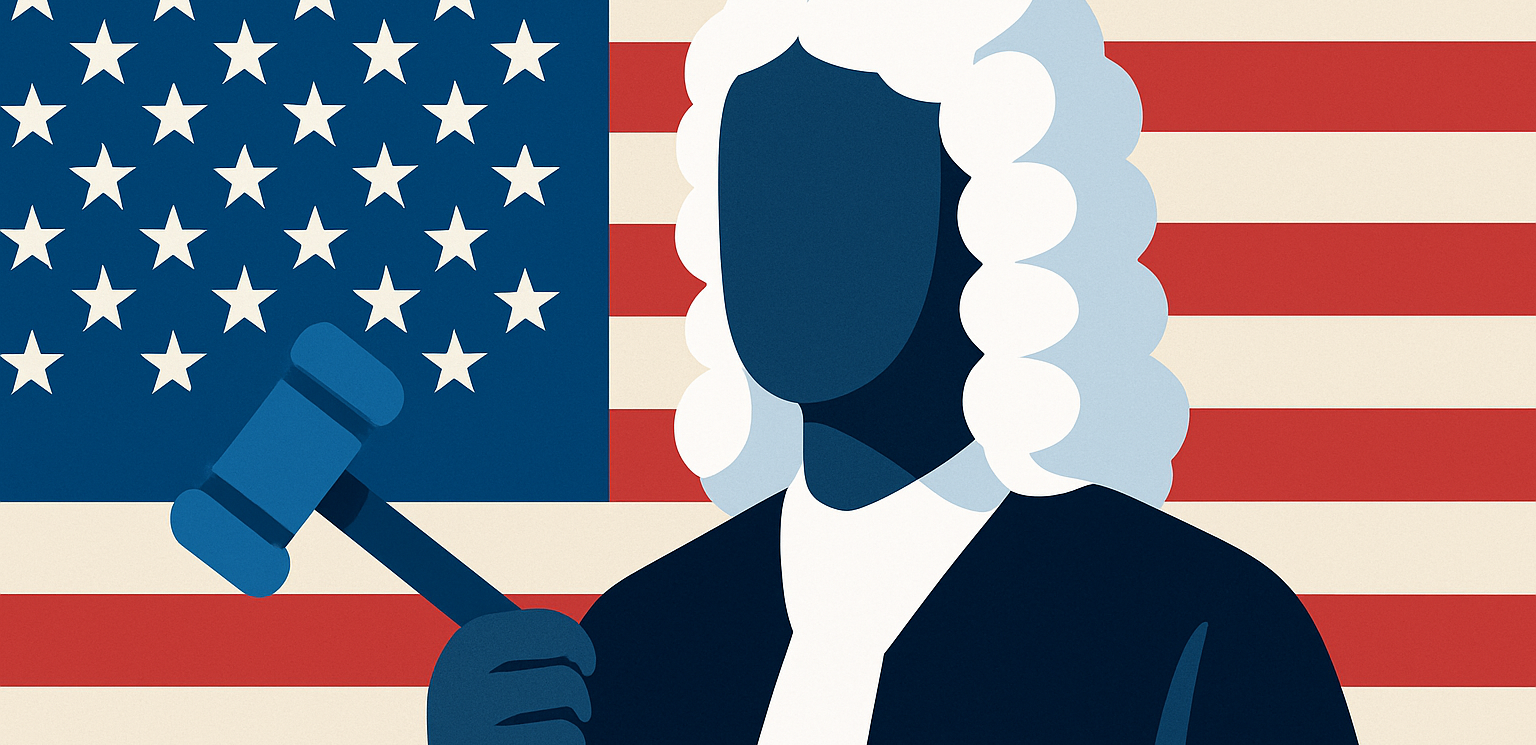
The US government has sided with OpenAI in its copyright battle with The New York Times and other publishers, arguing that training large language models on copyrighted material can qualify as fair use, Reuters reports.
In a filing with a federal court in Manhattan, the Justice Department argued that applying copyright law too broadly to AI training could hinder the development of a technology it considers increasingly important to US national security and scientific progress. The government also warned that placing tighter restrictions on American AI developers could leave them at a disadvantage against overseas competitors.
 Daria Ivanova
The filing is advisory and does not determine the outcome of the case, but the government’s intervention could strengthen the broader legal argument being made by AI companies facing copyright claims from writers, news organizations and music publishers.
The New York Times criticized the Justice Department’s position, arguing that the administration was favoring multibillion-dollar technology companies at the expense of creators. The newspaper maintains that AI developers should compensate publishers and other rights holders when their work is used to train commercial models.
The Times sued OpenAI and its major investor Microsoft in December 2023, alleging that millions of its articles had been used to train ChatGPT without permission or payment. The case has since become one of the most closely watched legal battles over whether copyrighted material can be used to train generative AI without a license.
Daria Ivanova





Editor’s pick