14:26
Australia prepares legal action against social media giants over under-16 ban

13:54
You can reserve Tesla’s new Roadster in the UAE for Dh210,000

12:49
Is AI getting out of control? Kaspersky on the risks that matter

18:26
Telegram launches Money, its built-in crypto wallet: Here's how it works

15:05
Telegram Desktop vulnerability allowed attackers to steal files with one click

12:33
Anthropic will ban repeated abuse of Claude under new usage rules
14:26
Australia prepares legal action against social media giants over under-16 ban
13:54
You can reserve Tesla’s new Roadster in the UAE for Dh210,000
12:49
Is AI getting out of control? Kaspersky on the risks that matter
18:26
Telegram launches Money, its built-in crypto wallet: Here's how it works
15:05
Telegram Desktop vulnerability allowed attackers to steal files with one click
12:33
Anthropic will ban repeated abuse of Claude under new usage rules
14:26
Australia prepares legal action against social media giants over under-16 ban
13:54
You can reserve Tesla’s new Roadster in the UAE for Dh210,000
12:49
Is AI getting out of control? Kaspersky on the risks that matter
18:26
Telegram launches Money, its built-in crypto wallet: Here's how it works
15:05
Telegram Desktop vulnerability allowed attackers to steal files with one click
12:33
Anthropic will ban repeated abuse of Claude under new usage rules
14:26
Australia prepares legal action against social media giants over under-16 ban
13:54
You can reserve Tesla’s new Roadster in the UAE for Dh210,000
12:49
Is AI getting out of control? Kaspersky on the risks that matter
18:26
Telegram launches Money, its built-in crypto wallet: Here's how it works
15:05
Telegram Desktop vulnerability allowed attackers to steal files with one click
12:33
Anthropic will ban repeated abuse of Claude under new usage rules

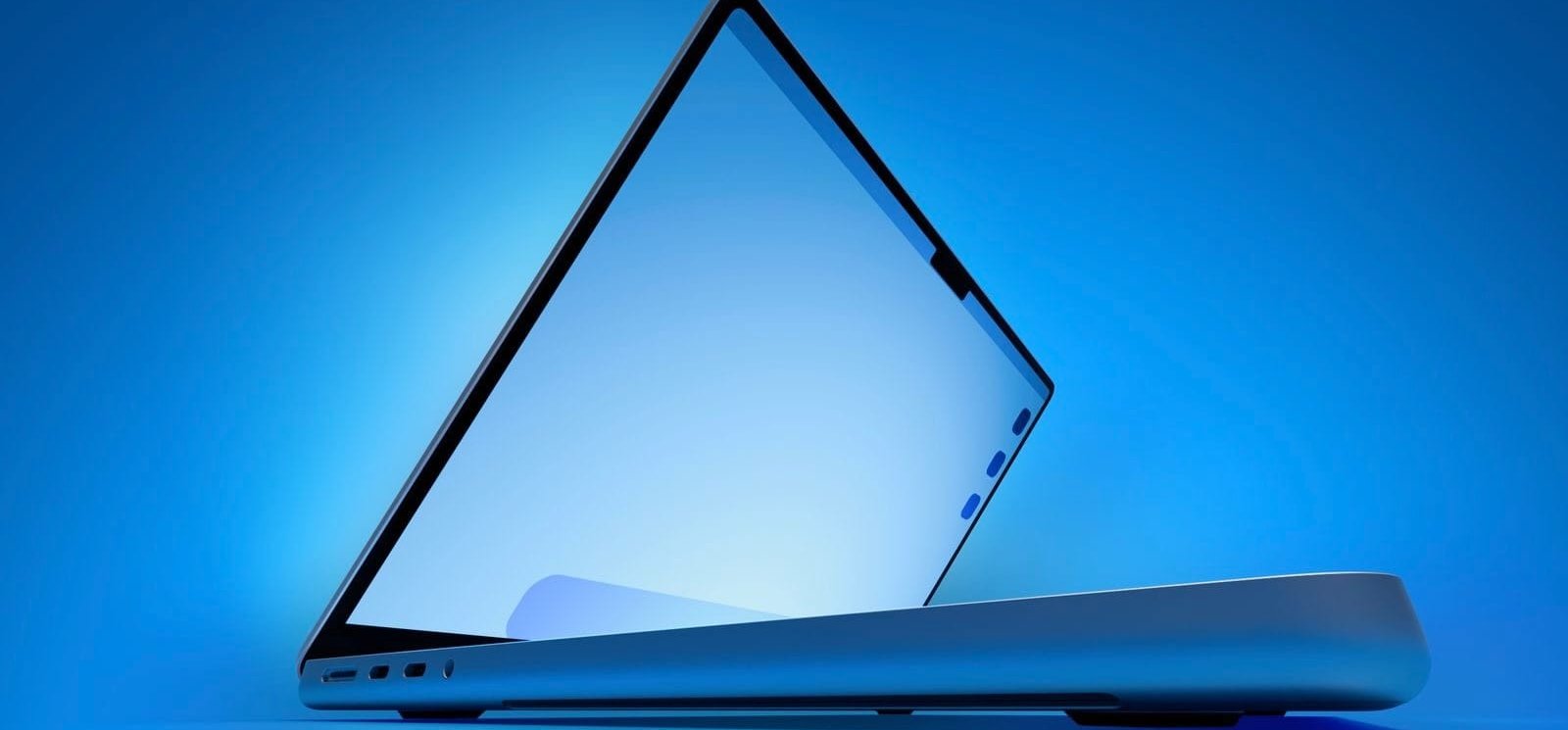
Apple is preparing a major update to its high-end MacBook Pro line, with the new flagship potentially launching under a new name, the MacBook Ultra. The reported plans were outlined by Bloomberg's Mark Gurman.
If the rebranding goes through, the MacBook Ultra would sit at the top of Apple's laptop lineup and become the most expensive model in the family. According to Gurman, it would also mark the first significant redesign of the MacBook Pro line in at least five years. The launch is now expected in early 2027 rather than the original late 2026 window, with the delay driven primarily by the global shortage of memory chips.
Below are the six main changes reportedly planned for the new model.
OLED display
The MacBook Ultra could become Apple's first laptop with an OLED screen. Current MacBook Pro models use LCD panels with mini-LED backlighting, and a move to OLED would bring richer colors, higher contrast, and true black levels, bringing the laptop closer to the display quality already available on the iPhone and iPad Pro.
Touchscreen support
Alongside the OLED upgrade, the new MacBook is rumored to gain touchscreen functionality. This would mark a notable reversal for Apple, which has spent years dismissing the idea of a touch-enabled Mac. If accurate, users would be able to interact with macOS not only through the keyboard and trackpad but directly on the screen itself.
Dynamic Island instead of the notch
Apple is also said to be replacing the current display notch with a hole-punch camera cutout combined with a Dynamic Island, similar to the implementation on the iPhone. The area would surface notifications and status indicators, including alerts for low battery, AirPods connections, and other system events.
M6 Pro and M6 Max chips
The MacBook Ultra is expected to introduce Apple's next-generation processors. Both M6 Pro and M6 Max are reportedly being manufactured on TSMC's 2-nanometer process, which should deliver a more meaningful jump in both performance and energy efficiency compared with the current M5 generation.
Thinner chassis
Switching to OLED is expected to allow Apple to slim down the overall design of the laptop. There is currently no indication that the company plans to remove ports such as HDMI, MagSafe, or the SD card slot in pursuit of a thinner profile. The previous removal of those ports drew significant criticism from professional users, and Apple appears unlikely to repeat the experiment.
Built-in cellular connectivity
Apple is also reportedly considering 5G and LTE support in future Mac models. At present, MacBooks rely on tethering through an iPhone or iPad to connect to mobile networks, with no built-in cellular modem of their own. If the feature does arrive, the MacBook Ultra would likely use Apple's own C1X modem or its more advanced successor, the C2.
All of these changes are expected to be reserved for the top-tier MacBook lineup. According to current reports, the base 14-inch MacBook Pro powered by the standard M6 chip will not receive most of the new features, keeping the gap between Apple's flagship and entry-level laptops wider than before.








Editor’s pick