15:05
Telegram Desktop vulnerability allowed attackers to steal files with one click

12:33
Anthropic will ban repeated abuse of Claude under new usage rules

12:02
Apple could unveil its first touchscreen MacBook Pro on October 27

11:46
Meta bans TikTok ads on Facebook and Instagram in seven countries

11:25
Apple reportedly cuts iPhone 18 Pro orders just weeks after launch

10:59
Telegram 13.0 arrives with a redesigned interface and major Wallet changes
15:05
Telegram Desktop vulnerability allowed attackers to steal files with one click
12:33
Anthropic will ban repeated abuse of Claude under new usage rules
12:02
Apple could unveil its first touchscreen MacBook Pro on October 27
11:46
Meta bans TikTok ads on Facebook and Instagram in seven countries
11:25
Apple reportedly cuts iPhone 18 Pro orders just weeks after launch
10:59
Telegram 13.0 arrives with a redesigned interface and major Wallet changes
15:05
Telegram Desktop vulnerability allowed attackers to steal files with one click
12:33
Anthropic will ban repeated abuse of Claude under new usage rules
12:02
Apple could unveil its first touchscreen MacBook Pro on October 27
11:46
Meta bans TikTok ads on Facebook and Instagram in seven countries
11:25
Apple reportedly cuts iPhone 18 Pro orders just weeks after launch
10:59
Telegram 13.0 arrives with a redesigned interface and major Wallet changes
15:05
Telegram Desktop vulnerability allowed attackers to steal files with one click
12:33
Anthropic will ban repeated abuse of Claude under new usage rules
12:02
Apple could unveil its first touchscreen MacBook Pro on October 27
11:46
Meta bans TikTok ads on Facebook and Instagram in seven countries
11:25
Apple reportedly cuts iPhone 18 Pro orders just weeks after launch
10:59
Telegram 13.0 arrives with a redesigned interface and major Wallet changes

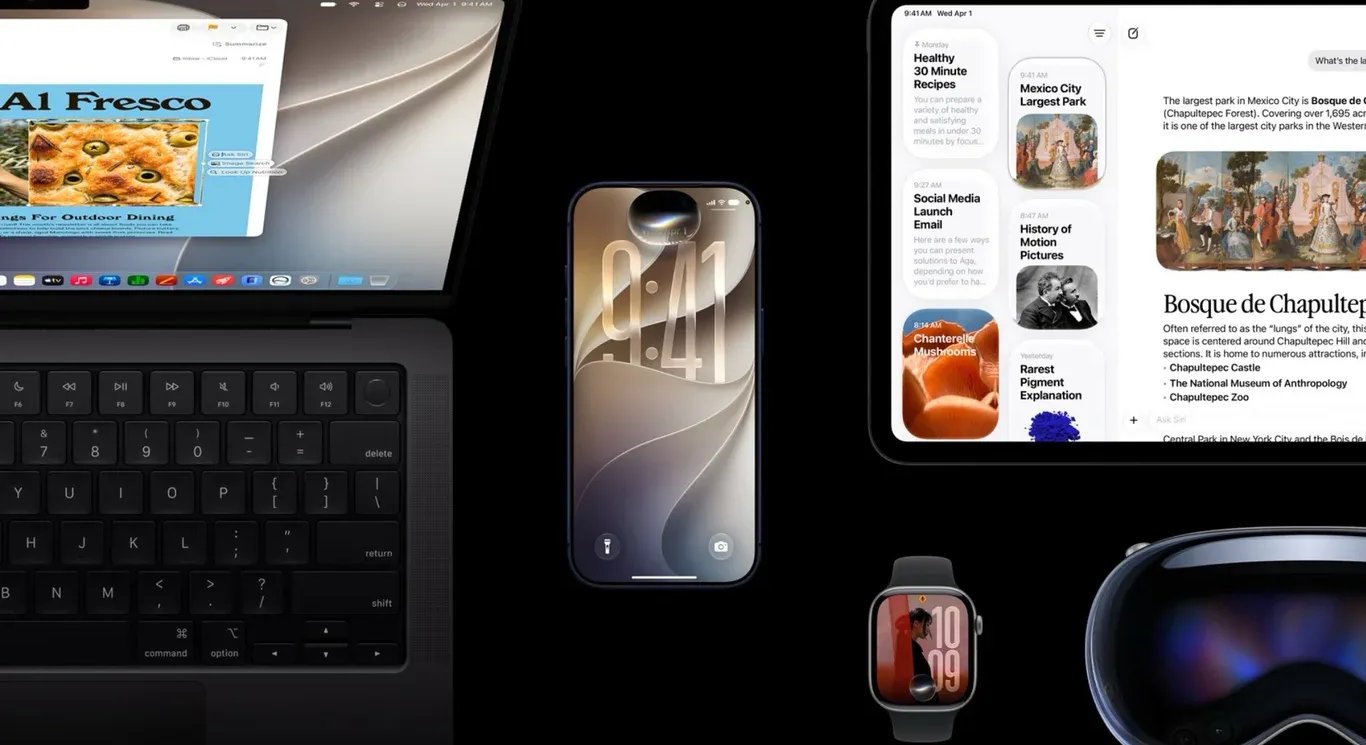
Everything Apple showed at WWDC 26: iOS 27, the new Siri AI, and an Apple Intelligence update
At WWDC 26, Apple unveiled new versions of its operating systems across the entire product lineup, including iOS 27, iPadOS 27, macOS 27, watchOS 27, visionOS 27, and tvOS 27.
The headline announcement of the event was Siri AI, a fully redesigned version of Apple's voice assistant built on the next generation of Apple Intelligence.
 Daria Ivanova
According to the company, the new Siri will be noticeably more capable and will integrate more deeply across iPhone, iPad, Mac, Apple Watch, and Vision Pro.
The assistant will now take personal context into account, interact with on-screen content, search across apps, perform system-level actions, and pull real-time information from the internet.
What the new Siri AI can do
- Siri AI can respond to questions based on what the user is currently viewing on screen. If an object, conversation, photo, or web page is open, the assistant can explain what is happening, suggest a relevant action, or help continue the task at hand.
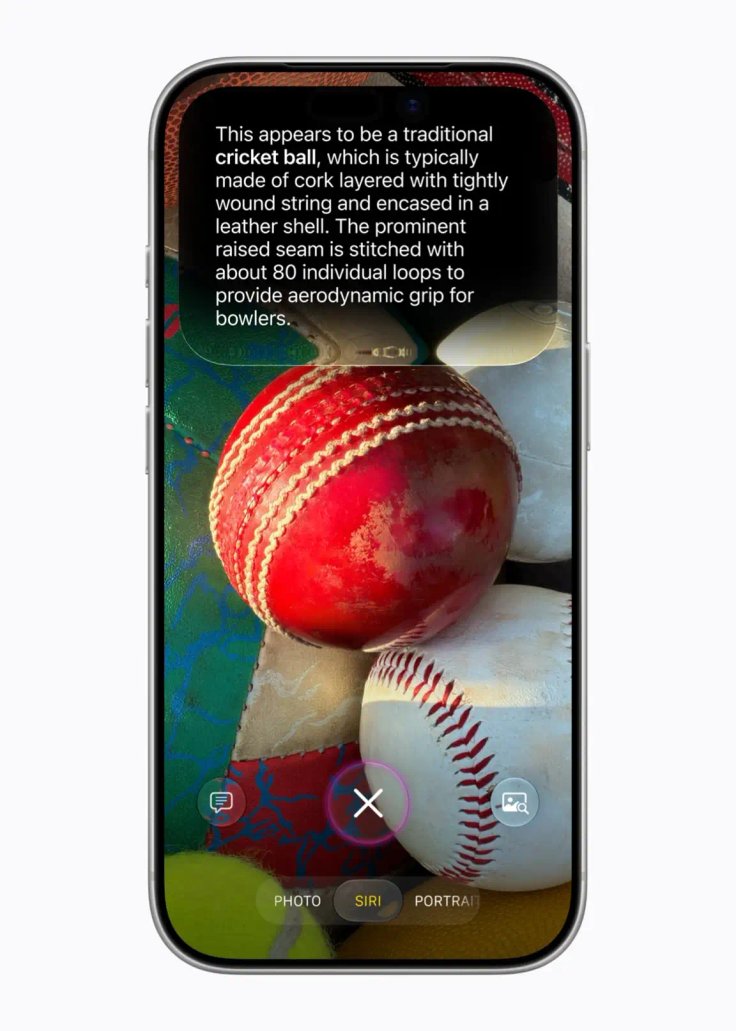
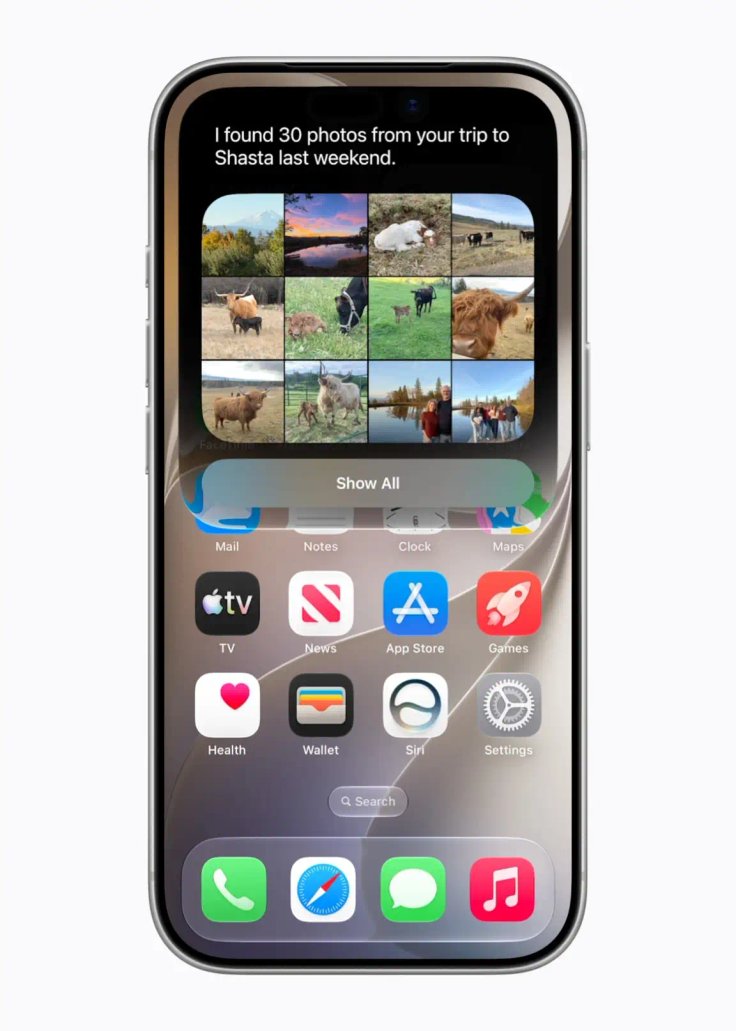

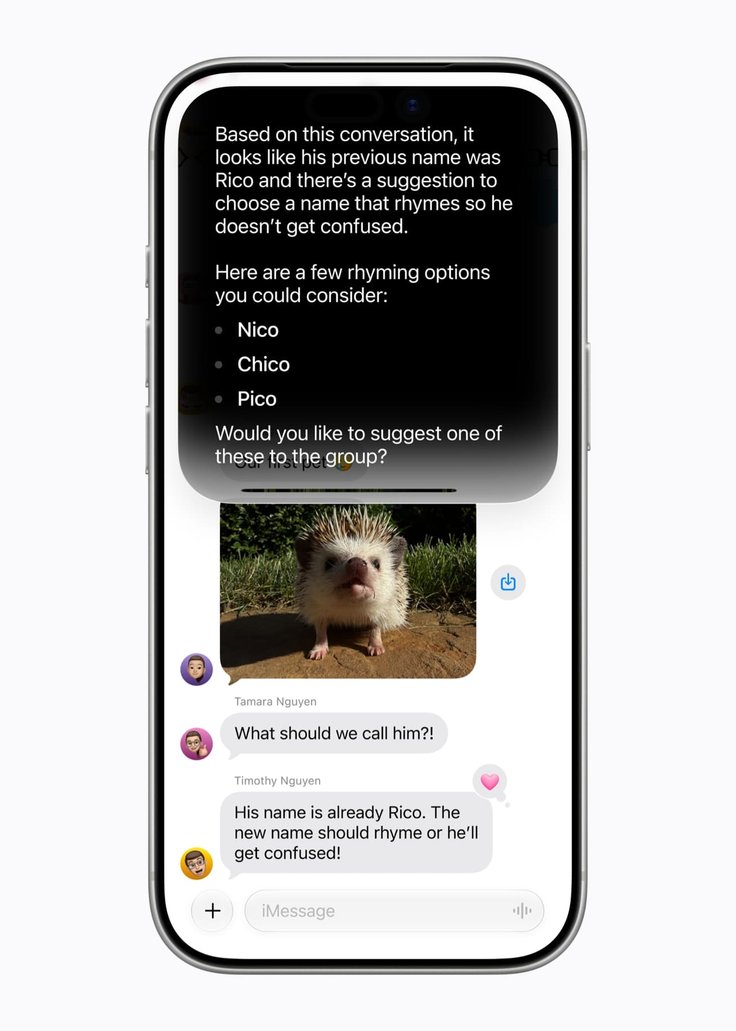
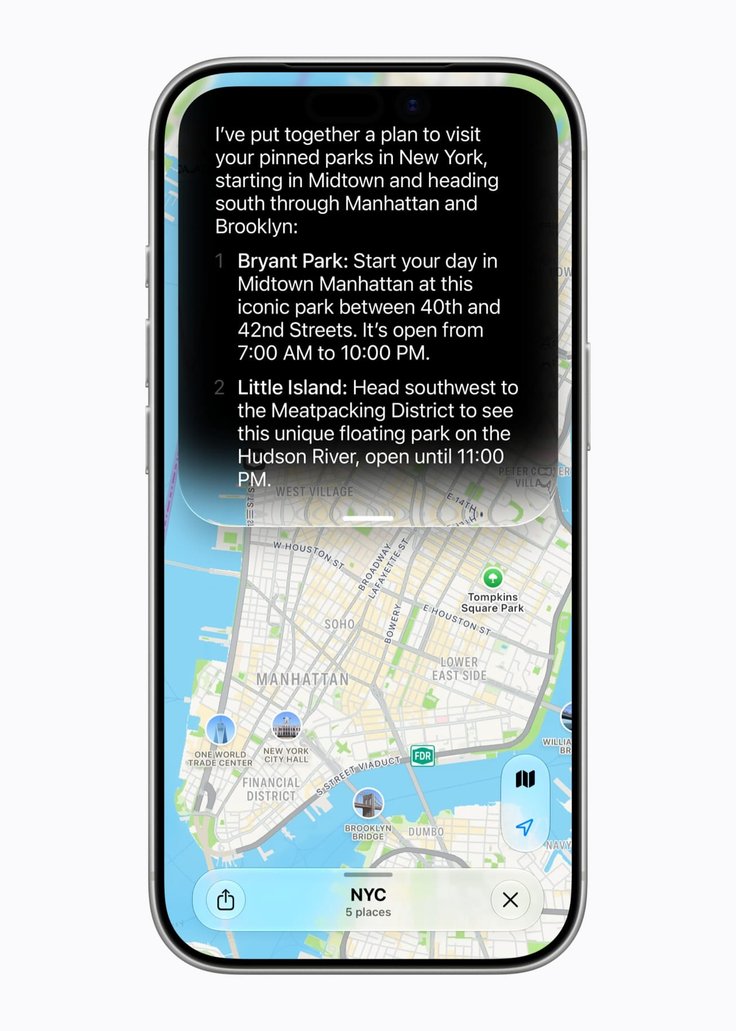

- Siri AI can also draw on personal context, searching across the user's messages, emails, photos, and other data. The assistant can locate images from a recent weekend trip, recall details from a conversation, or help draft a response inside Messages.
- Apple is also highlighting a new internet-aware mode that allows Siri AI to pull current information from the web, combine it with its general world knowledge, and produce a contextual answer based on the results.
- Siri now has a dedicated app of its own. Users can start new conversations and return to earlier ones, with history synchronized across devices through iCloud and a clear emphasis on privacy.
Apple Intelligence becomes more useful across apps
- The next generation of Apple Intelligence extends beyond Siri and is being woven into a broader range of system apps, including Photos, Safari, Messages, Mail, and Image Playground.
Kirill Sergeev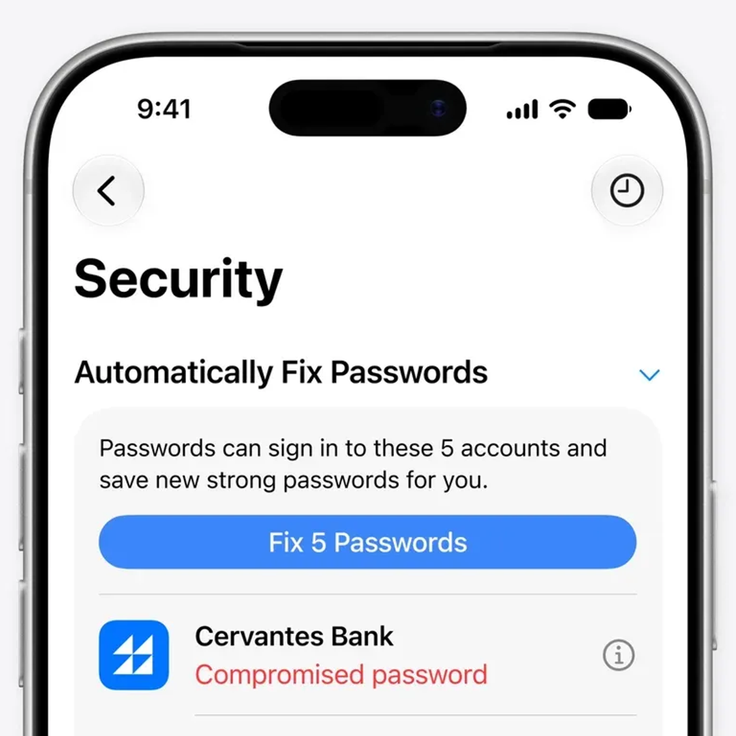
- In Photos, a new feature called Spatial Reframing allows users to improve the composition of a shot after it has already been taken.
Kirill Sergeev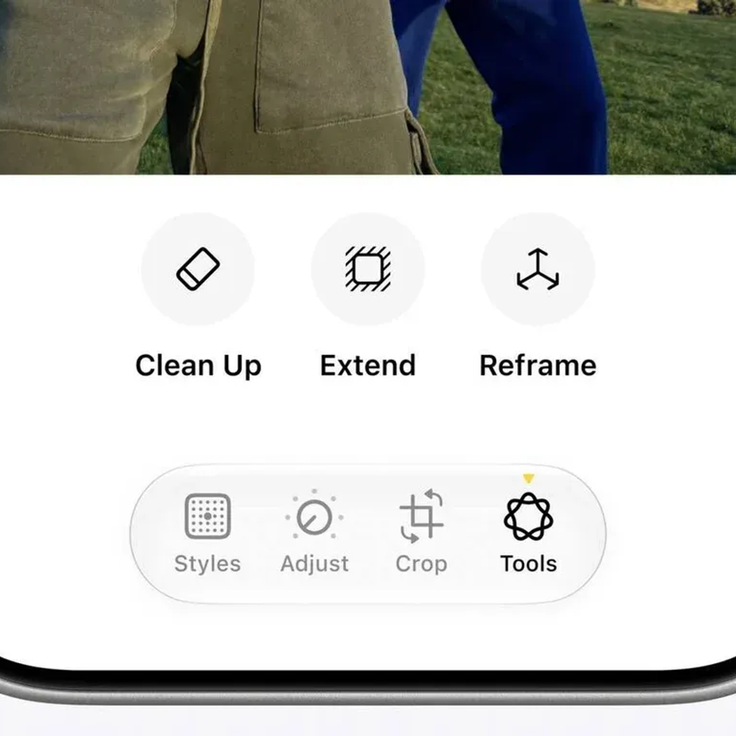
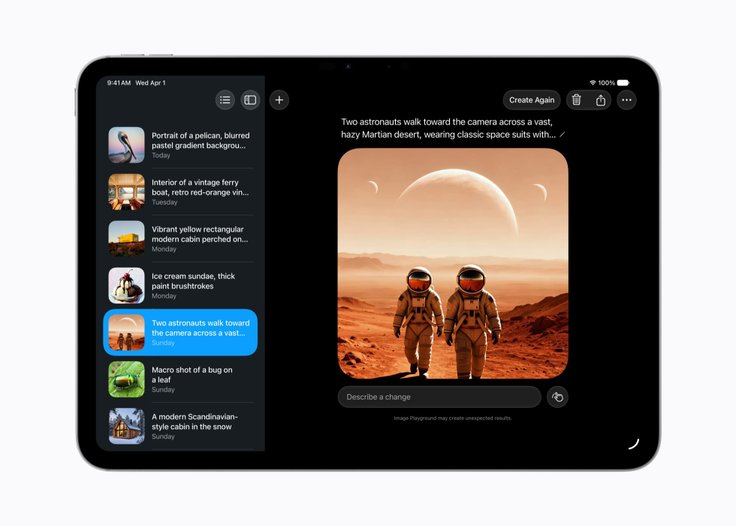
- Image Playground gains new generation capabilities, including a fully photorealistic style.
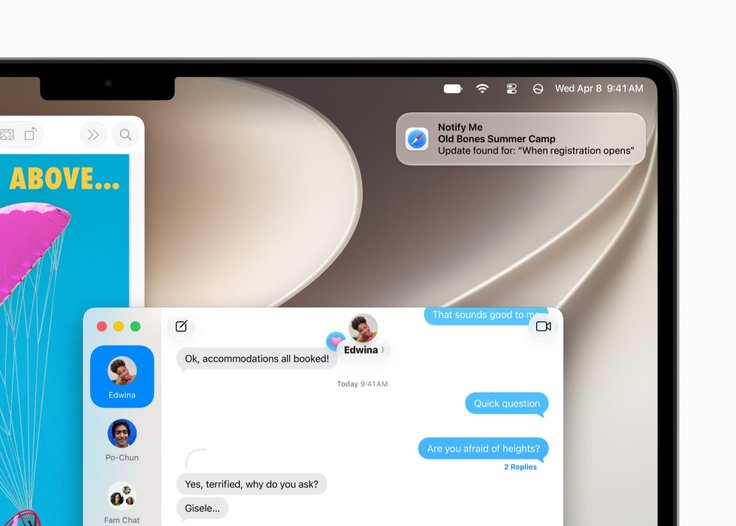
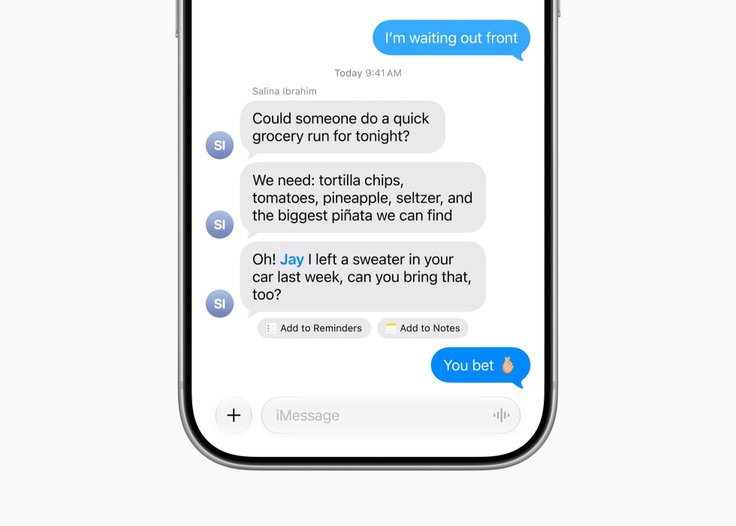
- In Messages and Mail, Apple Intelligence will assist with replies, reminders, and contextual actions based on the content of conversations.
New parental controls
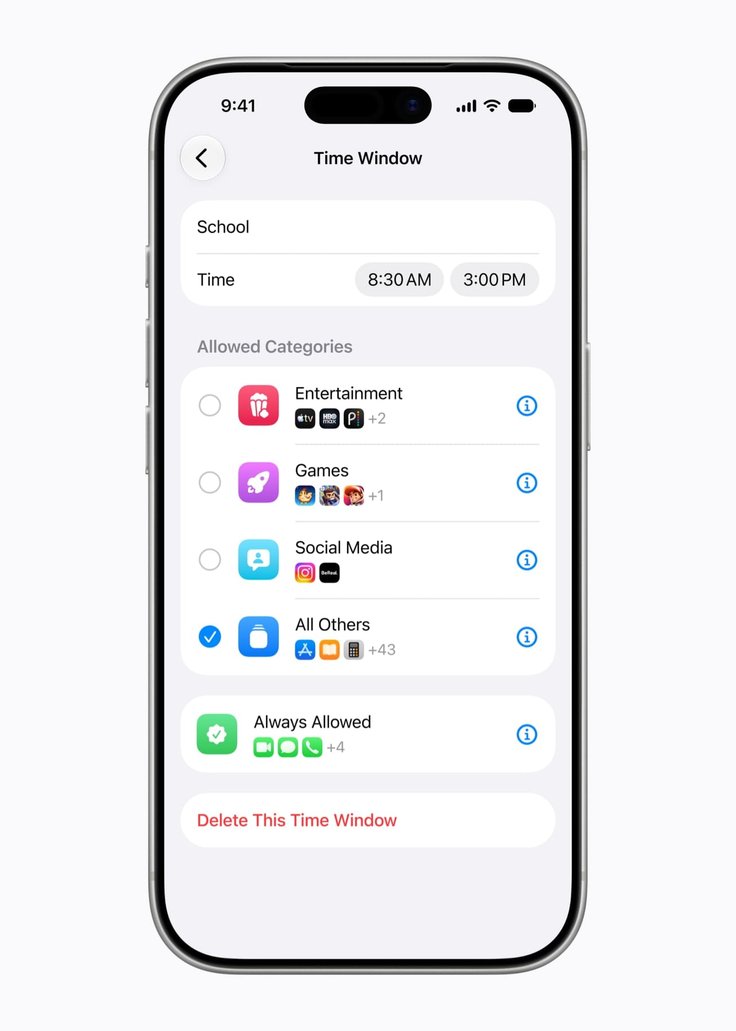
A significant block of updates focuses on child safety. Apple has reworked its parental control tools and Screen Time experience to give parents more granular oversight.
Vlad Voitenko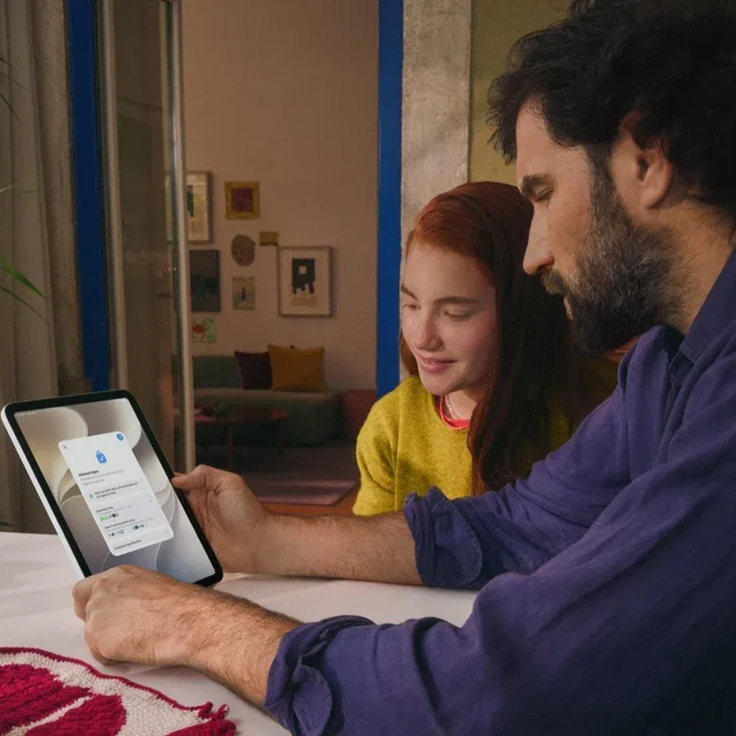
- When setting up a child account, parents can immediately apply age-based restrictions at the system level, choosing which apps the child can access and which remain blocked.
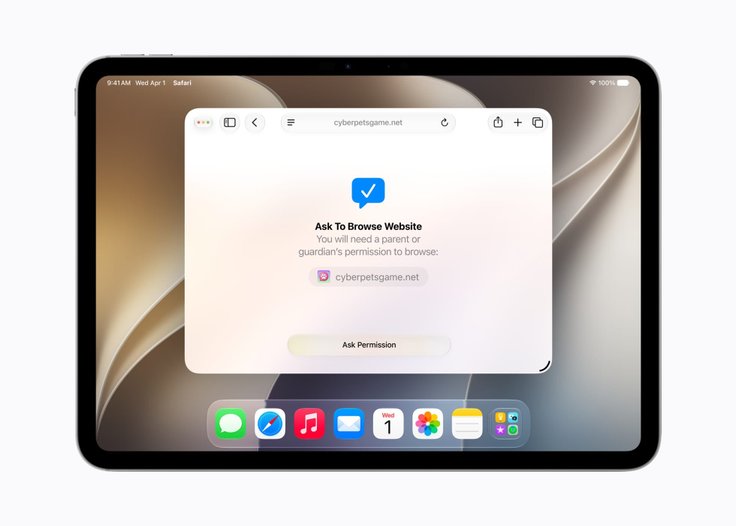
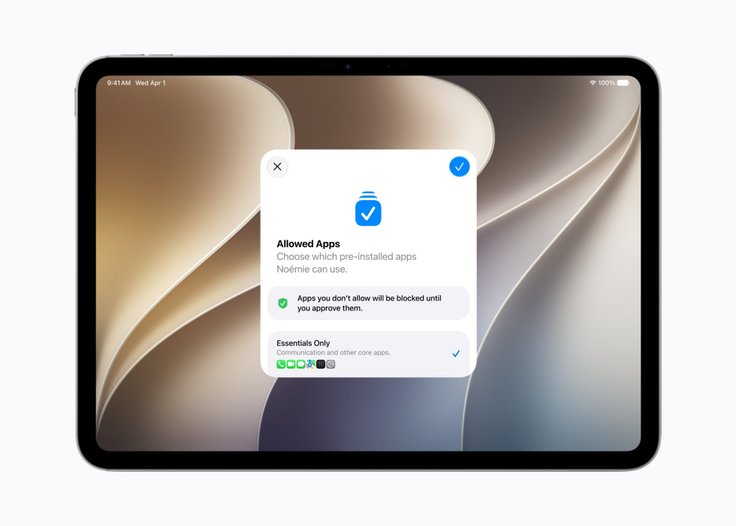

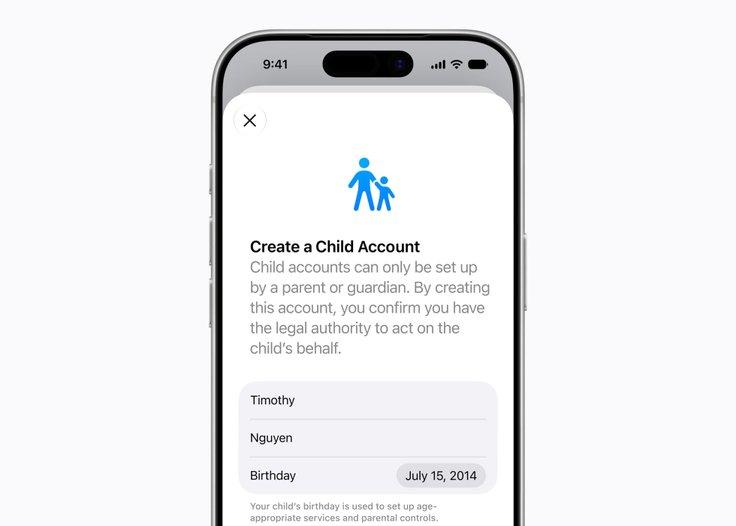
- New communication restrictions allow parents to require approval for every new contact a child wants to interact with. The system can also intervene automatically when explicit or violent content appears in a conversation.
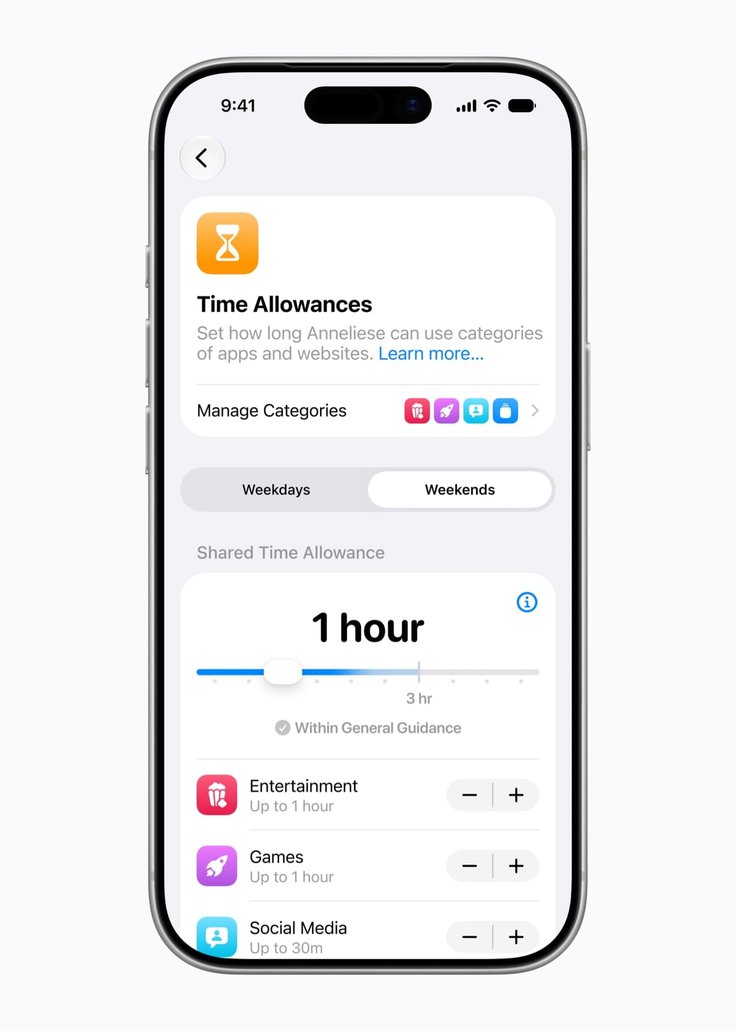
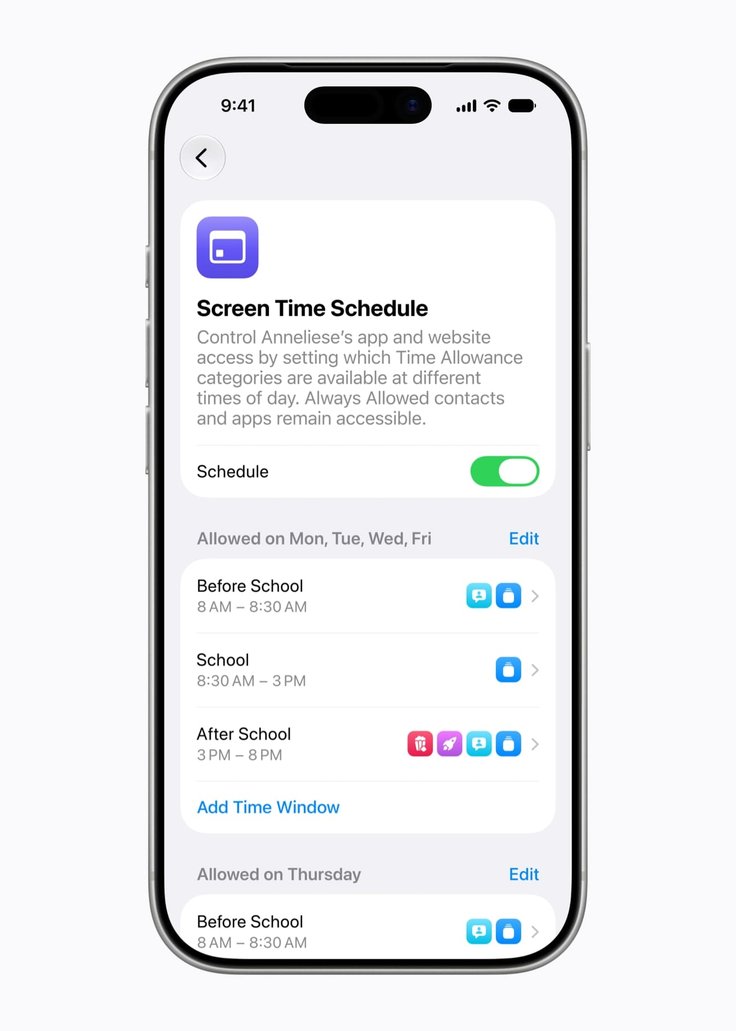
- Screen Time has been redesigned for clearer navigation and now provides recommended daily limits across the Entertainment, Games, and Social Networking categories.
Performance improvements across the lineup
Apple is promising noticeable performance gains across all of the new operating systems.
These figures, the company notes, depend on the device and the specific scenario. Apple measured the app launch and photo loading improvements in internal tests on supported devices, and actual results may vary in real-world use.
Kirill Sergeev
The system also improves the handoff between Wi-Fi and cellular networks, and work with external storage drives on iPad is up to 5 times faster. Apple says the performance now approaches the experience of using Finder on a Mac.
Search inside Spotlight, Photos, and Mail has been rebuilt for greater stability and efficiency. Mail also adds a new ranking system designed to surface more relevant results.
Customizable Liquid Glass
Apple continues to refine the Liquid Glass visual style introduced with the previous generation of its operating systems.
- A new slider in Settings now allows users to adjust the transparency of the interface, ranging from a maximally translucent glass appearance to a denser, more opaque tone.
- App icons have also been sharpened and made more visually distinct.
- On Mac, Apple is partially restoring elements of classic macOS design, including a more consistent top navigation bar across apps, edge-to-edge sidebars, and the return of colored sidebar icons.
Other features arriving with the new systems
- iCloud-shared albums now support cross-platform full-resolution photo sharing.

- The Health app adds new features for the perimenopause and menopause periods within Cycle Tracking, including notifications for cycle irregularities.
- Apple Watch introduces a new dynamic app grid showing five icons suggested by Siri.
- Users can open Smart Stack widgets through a new tap gesture, and a unified Find My app now combines device, item, and people search.
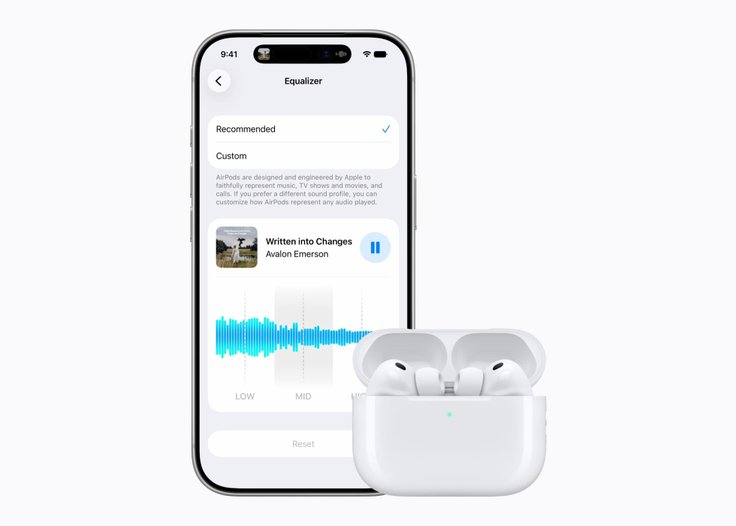
- AirPods gain a custom equalizer. AirPods Pro 3 owners will be able to sync heart rate data through iPhone with expanded Apple GymKit support.
- Apple Vision Pro can now turn panoramic photos into spatial scenes and use them as personal environments. Wi-Fi connection speeds on Vision Pro are reportedly up to 3 times faster.
- Apple Maps introduces an updated Flyover mode that combines aerial imagery with AI for more detailed visualizations of cities.
Daria Ivanova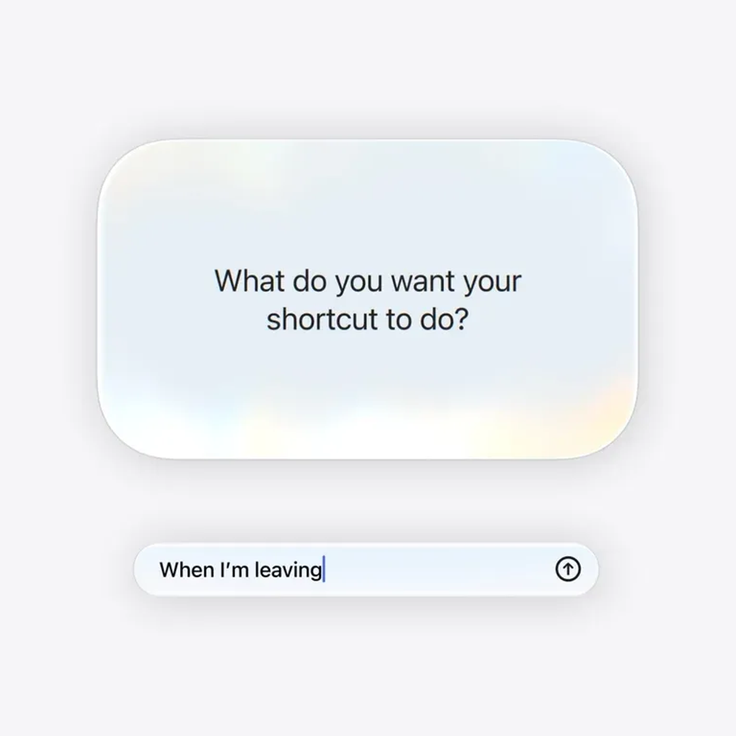
Release schedule
The first builds of the new operating systems are already available to developers through the Apple Developer Program. A public beta is set to arrive in July, with the final versions launching in the fall.
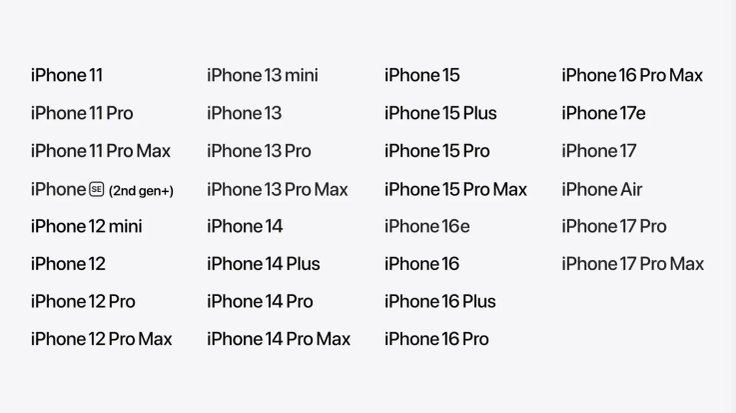
The full list of devices that will receive the new systems has been published at the following link:
Daria Ivanova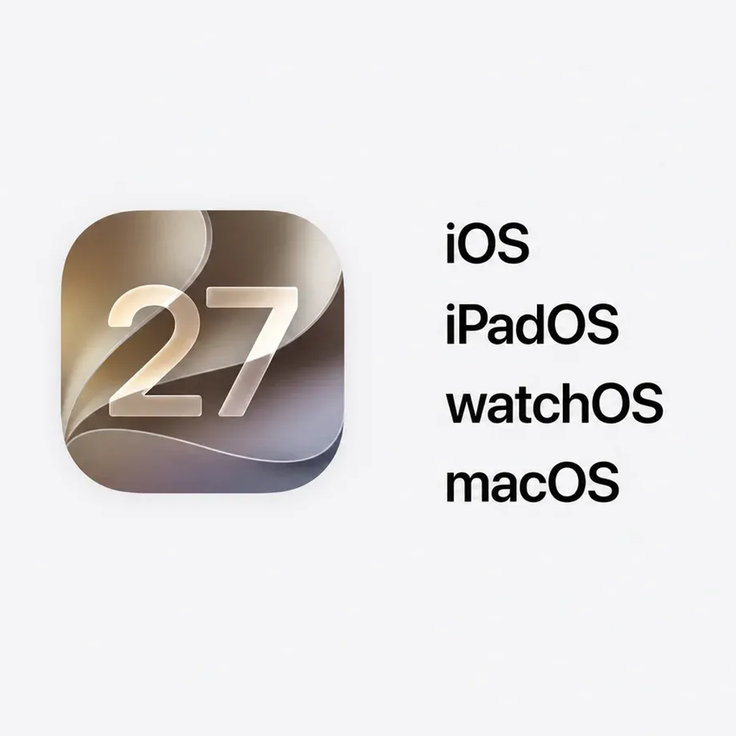
Apple Intelligence in iOS 27, iPadOS 27, macOS 27, watchOS 27, and visionOS 27 will be available on supported devices and in supported languages.
Supported devices and languages for Apple Intelligence
- iPhone 16 and newer
- iPhone 15 Pro and iPhone 15 Pro Max
- iPad mini with A17 Pro
- iPad with M1 and newer
- Mac with M1 and newer
- Apple Vision Pro
- Apple Watch Series 10 and newer
- Apple Watch Ultra 2 and newer
- Apple Watch SE 3 (when paired with an iPhone that supports Apple Intelligence)
The new Siri AI capabilities are already available to developers in iOS 27, iPadOS 27, macOS 27, and visionOS 27. Testing of Siri AI in watchOS 27 will begin at a later stage.
Regional restrictions
- Users of Mac, Apple Watch, and Apple Vision Pro in the European Union will be able to use Siri AI when one of the supported languages is selected. However, Siri AI will not initially be available on iPhone and iPad in the EU.
- In China, Siri AI and the new Apple Intelligence features will also not launch on day one. Apple says it is continuing to work through local regulatory requirements.






Editor’s pick