17:14
Capcom breach exposes 11.7 million account records worldwide

16:56
Anthropic introduces Claude Duet, an AI assistant that checks in first

16:32
Hugging Face’s new AI lets scientists chat with DNA

19:26
Government websites across Europe go offline over critical PHP flaws

17:37
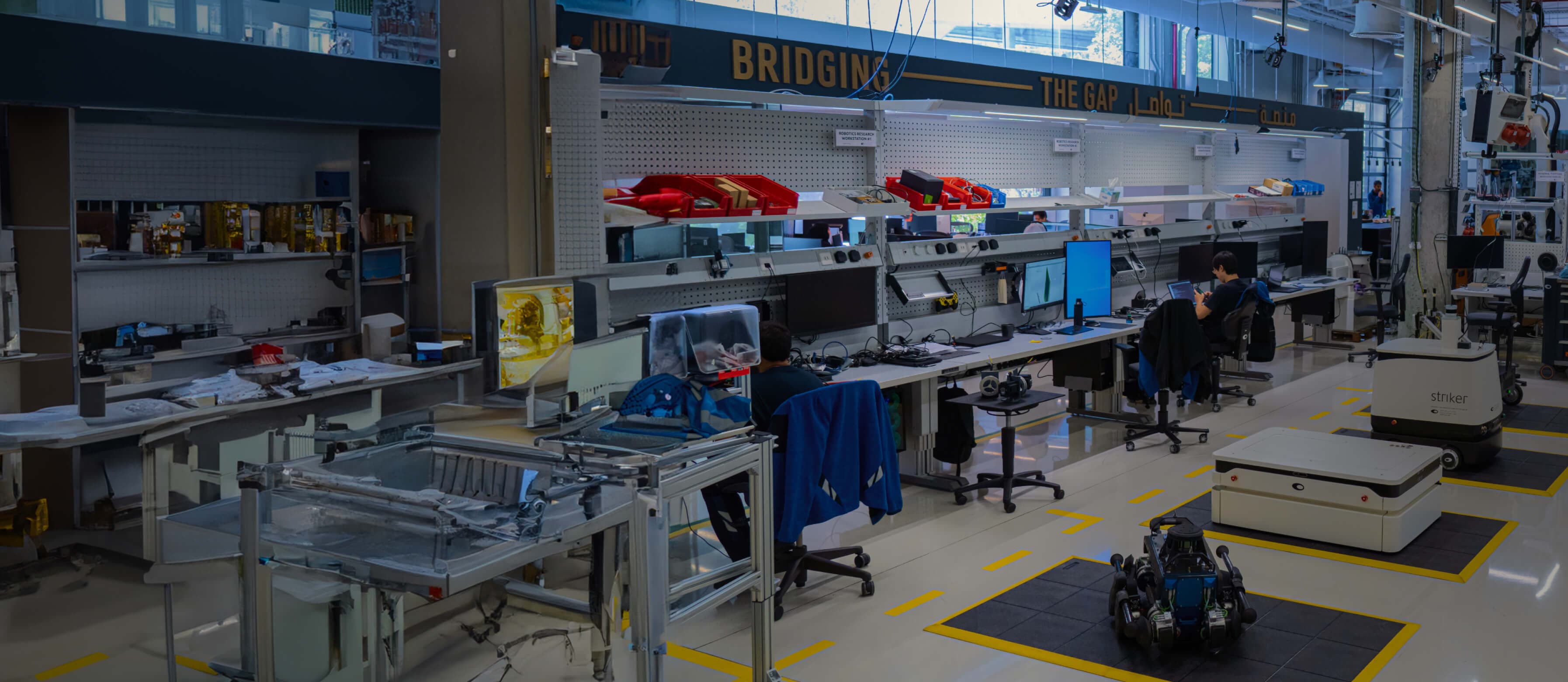
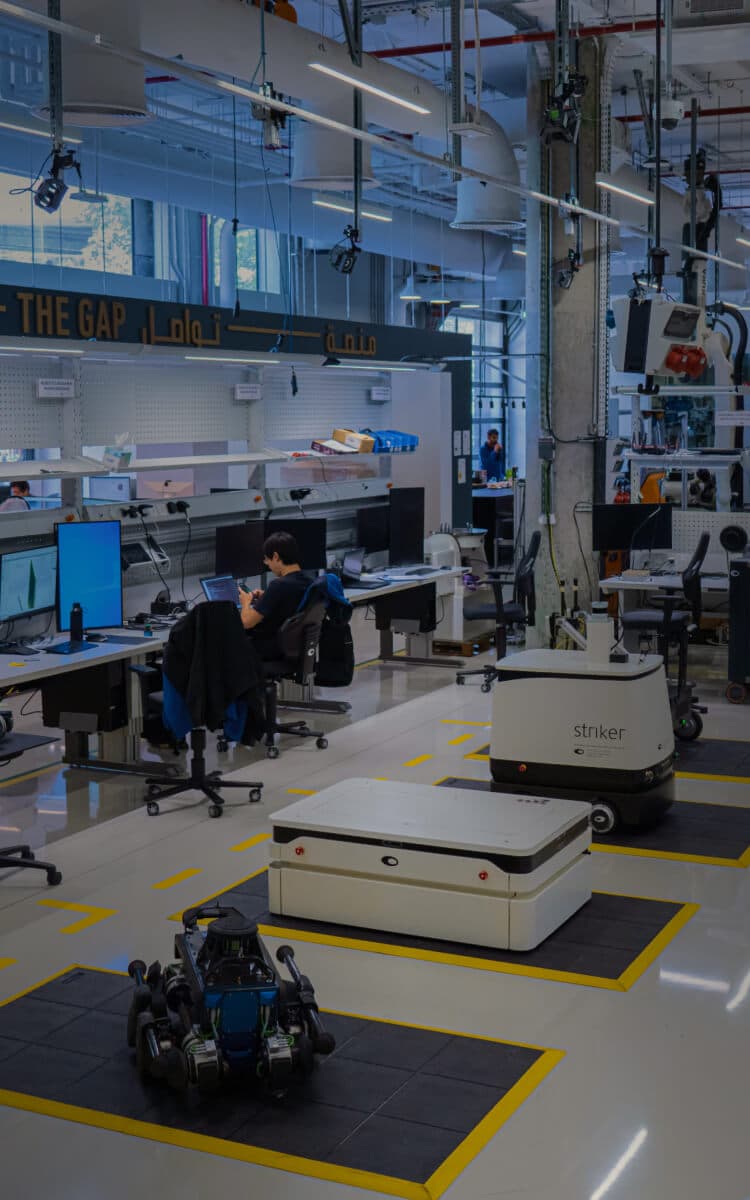
Agile Robots unveils Nvidia-powered humanoid built to learn new skills

13:30
PHP warns website owners to prepare for emergency security updates
17:14
Capcom breach exposes 11.7 million account records worldwide
16:56
Anthropic introduces Claude Duet, an AI assistant that checks in first
16:32
Hugging Face’s new AI lets scientists chat with DNA
19:26
Government websites across Europe go offline over critical PHP flaws
17:37
Agile Robots unveils Nvidia-powered humanoid built to learn new skills
13:30
PHP warns website owners to prepare for emergency security updates
17:14
Capcom breach exposes 11.7 million account records worldwide
16:56
Anthropic introduces Claude Duet, an AI assistant that checks in first
16:32
Hugging Face’s new AI lets scientists chat with DNA
19:26
Government websites across Europe go offline over critical PHP flaws
17:37
Agile Robots unveils Nvidia-powered humanoid built to learn new skills
13:30
PHP warns website owners to prepare for emergency security updates
17:14
Capcom breach exposes 11.7 million account records worldwide
16:56
Anthropic introduces Claude Duet, an AI assistant that checks in first
16:32
Hugging Face’s new AI lets scientists chat with DNA
19:26
Government websites across Europe go offline over critical PHP flaws
17:37
Agile Robots unveils Nvidia-powered humanoid built to learn new skills
13:30
PHP warns website owners to prepare for emergency security updates


Pavel Durov in Oslo: on the loss of freedoms, mass surveillance, and censorship
Telegram founder Pavel Durov delivered a keynote address at the annual Oslo Freedom Forum, organized by the Human Rights Foundation.
In his speech, Durov shared his thoughts on the global erosion of personal freedoms, the rise of mass state surveillance, and the justifications governments use to tighten their grip on society. Below are the most notable and important points from his remarks.
On the Titanic and the illusion of safety
Durov compared the current state of human rights around the world to the sinking of the Titanic. According to him, people often fail to recognize an approaching catastrophe until it is already too late.
"Our ship has already hit the iceberg. We have already started to sink without even realizing it. And I'm talking about the ship of our personal freedoms. Passengers of the Titanic actually didn't want to leave the ship for almost two hours after it hit the iceberg. People thought the Titanic was unsinkable. Lifeboats left half empty. Only in the last half an hour people started to panic, but by that time it was already too late. Not enough lifeboats, nowhere to hide, nowhere to run."
On censorship in Western countries
The Telegram founder noted that personal freedoms are being eroded almost everywhere. Drawing on his 20 years of experience running major social platforms, he argued that Western countries have begun adopting the same methods used by authoritarian regimes.
He cited the United Kingdom, where thousands of people are arrested each year over social media posts, and Germany, where insulting a politician online can carry a sentence of up to three years in prison. As a result, he said, people are increasingly afraid to use their real names online.
On bans, VPNs, and the lessons from Russia
Commenting on the European Commission's proposals to introduce ID-based age verification for access to social media, Durov pointed out that such bans have repeatedly failed to work. He cited the attempts to block Telegram in Russia and Iran as a clear example.
"So Russia banned Telegram, the largest social media platform at the time, for all of its citizens, because we refused to comply with their demands for mass surveillance and censorship. However, 95% of Russian teenagers still use Telegram every month."
Durov emphasized that pushing teenagers to use VPNs produces the opposite of the intended effect. It opens up access to fringe, illegal content that had previously been blocked, putting children in greater danger than before.
On "child protection" as a pretext for control
Durov argued that the true goal of many internet regulation laws is to control political discourse rather than to protect minors. He pointed to the UK's Online Safety Act, which was publicly framed as a child protection measure but, in court filings submitted by the government itself, was acknowledged to be primarily aimed at controlling large platforms with significant influence over public opinion.
"Once somebody says child protection, all of a sudden, it triggers very ancient, very deep parts of our brain. Who would be against protecting children? It completely bypasses logic. It bypasses debate. It bypasses rationality. All of a sudden, people are ready to give up everything. And authoritarian regimes were able to smuggle all kinds of repressive legislation under the guise of protecting children."
On mass surveillance and backdoors in Europe
Durov sharply criticized the European Commission's Chat Control initiative, which would require messaging services to build backdoors into their encryption to automatically monitor all private messages and photos. He also referenced attempts by the French Senate to legalize mass surveillance under the pretext of fighting terrorism and drug trafficking.
"For your own protection, you have to give up your essential right to privacy. And this, again, has been tried countless times in the history of humanity, where we, or different nations throughout history, have been offered an exchange. Give up some of your essential liberty in exchange for some temporary safety. And this deal, this offer, is always a scam, and it always turned out to be a scam."







Editor’s pick