18:26
Telegram launches Money, its built-in crypto wallet: Here's how it works

15:05
Telegram Desktop vulnerability allowed attackers to steal files with one click

12:33
Anthropic will ban repeated abuse of Claude under new usage rules

12:02
Apple could unveil its first touchscreen MacBook Pro on October 27

11:46
Meta bans TikTok ads on Facebook and Instagram in seven countries

11:25
Apple reportedly cuts iPhone 18 Pro orders just weeks after launch
18:26
Telegram launches Money, its built-in crypto wallet: Here's how it works
15:05
Telegram Desktop vulnerability allowed attackers to steal files with one click
12:33
Anthropic will ban repeated abuse of Claude under new usage rules
12:02
Apple could unveil its first touchscreen MacBook Pro on October 27
11:46
Meta bans TikTok ads on Facebook and Instagram in seven countries
11:25
Apple reportedly cuts iPhone 18 Pro orders just weeks after launch
18:26
Telegram launches Money, its built-in crypto wallet: Here's how it works
15:05
Telegram Desktop vulnerability allowed attackers to steal files with one click
12:33
Anthropic will ban repeated abuse of Claude under new usage rules
12:02
Apple could unveil its first touchscreen MacBook Pro on October 27
11:46
Meta bans TikTok ads on Facebook and Instagram in seven countries
11:25
Apple reportedly cuts iPhone 18 Pro orders just weeks after launch
18:26
Telegram launches Money, its built-in crypto wallet: Here's how it works
15:05
Telegram Desktop vulnerability allowed attackers to steal files with one click
12:33
Anthropic will ban repeated abuse of Claude under new usage rules
12:02
Apple could unveil its first touchscreen MacBook Pro on October 27
11:46
Meta bans TikTok ads on Facebook and Instagram in seven countries
11:25
Apple reportedly cuts iPhone 18 Pro orders just weeks after launch

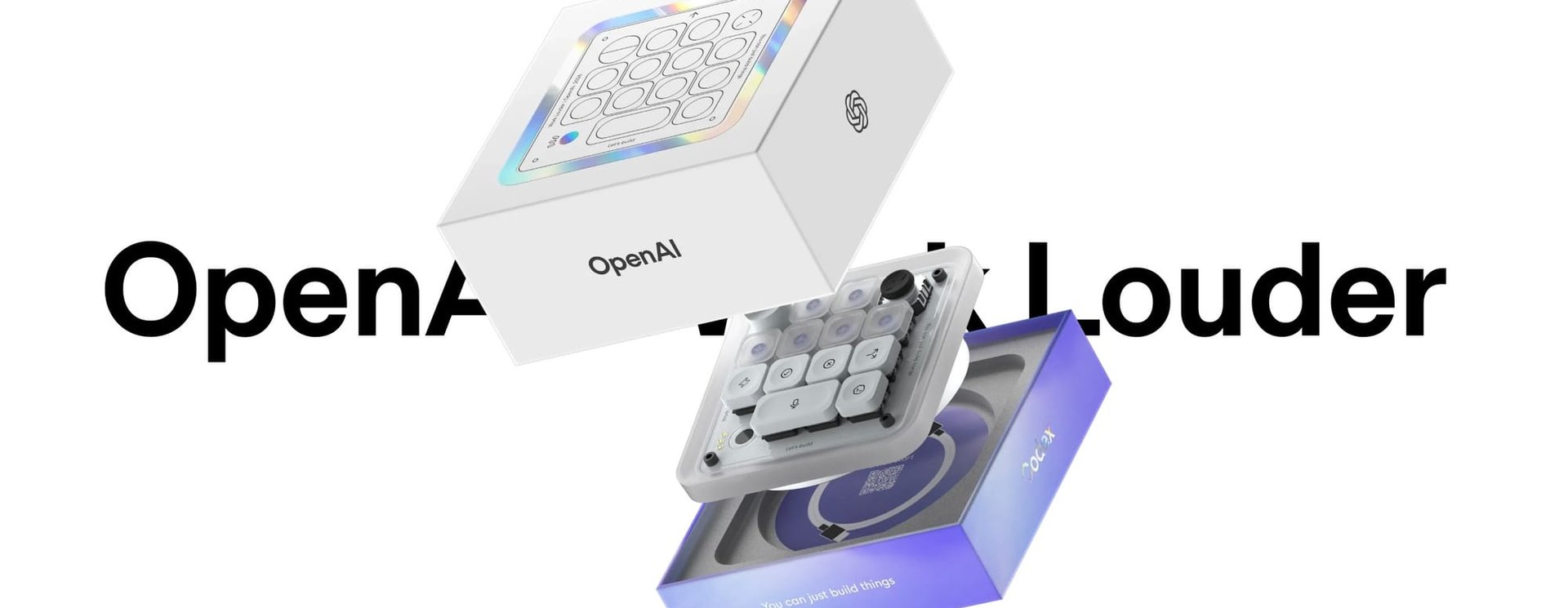
OpenAI has unveiled Codex Micro, a compact mechanical controller designed to make interacting with AI agents more tactile. The device is built specifically for Codex and gives users physical controls for monitoring tasks and managing AI workflows.
Users can launch commands, adjust settings, and monitor an agent's progress directly from the device instead of relying entirely on the software interface.
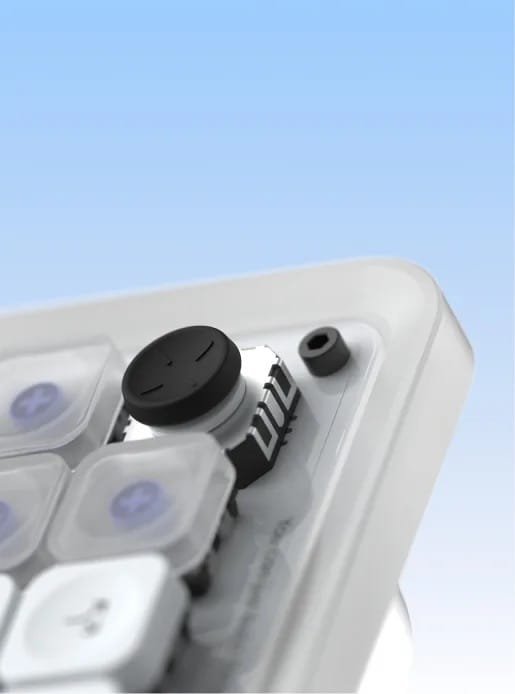
Codex Micro features 13 mechanical switches, a touchpad, a low-profile joystick, and a rotary encoder.
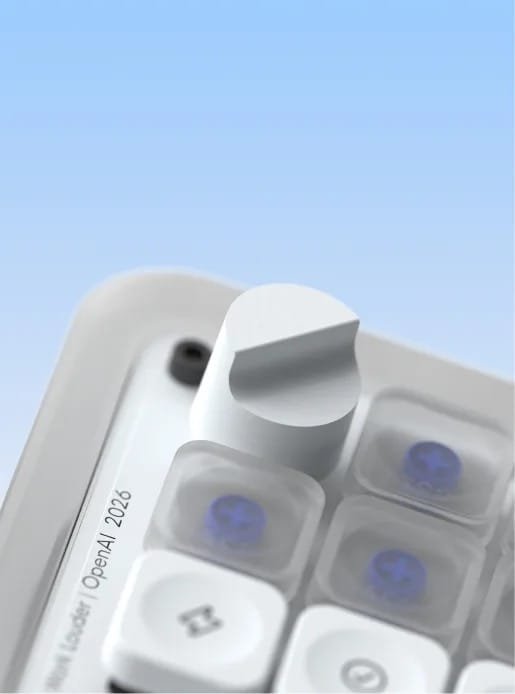

Six translucent RGB keys display the current state of a Codex agent, changing color to indicate whether it is running, waiting for approval, has completed a task, or encountered an error.
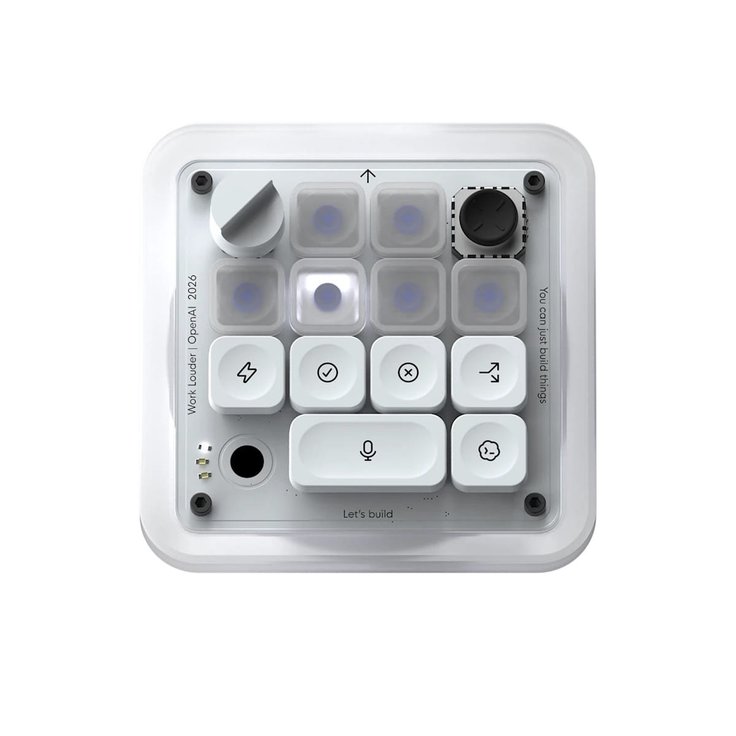
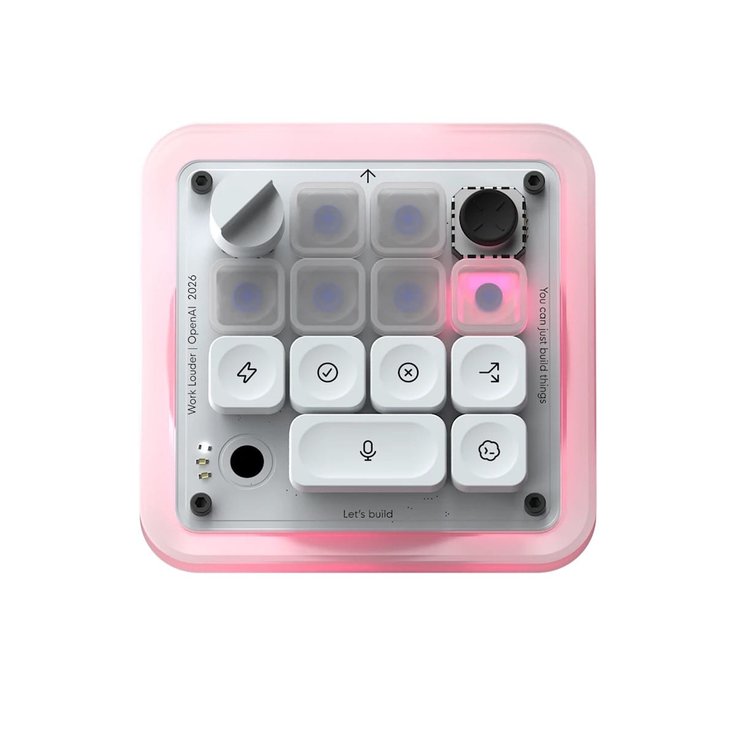
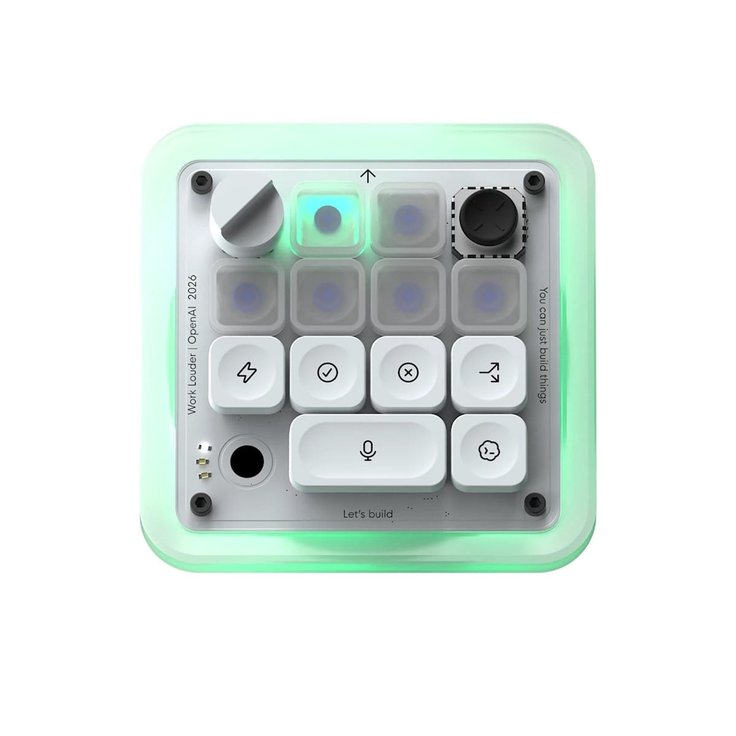
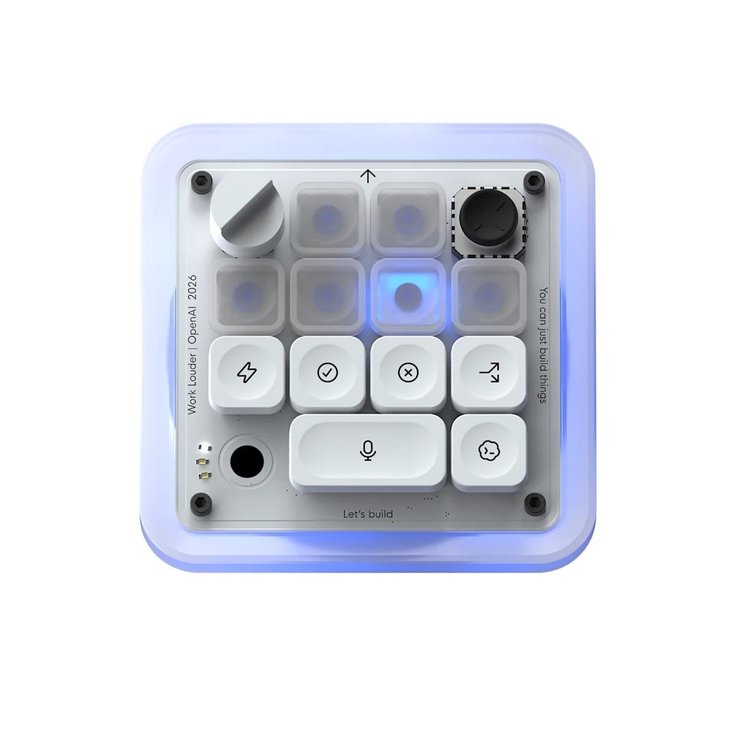
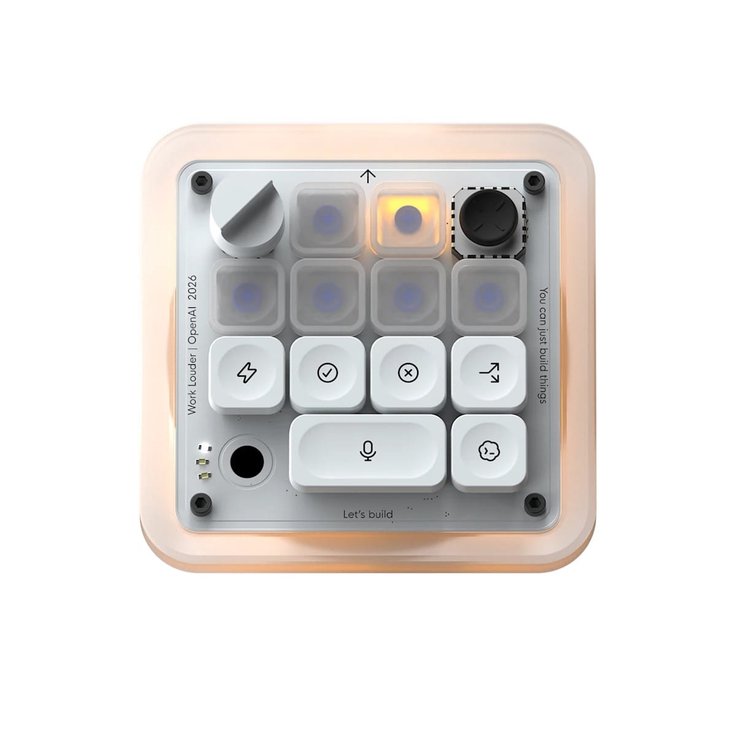
The joystick can be used to trigger common coding workflows, such as sending code for refactoring or review, or launching a debugging session.
The rotary encoder lets users adjust the model's reasoning depth. The remaining programmable keys can be assigned to actions such as starting voice mode, sending prompts, or opening a new chat.
Codex Micro supports both macOS and Windows, connecting over Bluetooth or USB-C.
The controller is being released as a limited-edition product priced at $230 and is available through OpenAI's online store.
Its aluminum and polycarbonate chassis ships with a USB-C cable and a set of 32 interchangeable keycaps featuring Codex-specific icons.
Despite the hardware launch, this is not the consumer device OpenAI is expected to unveil later this year. According to Bloomberg, the company's first mass-market product is still expected to be a screenless AI companion powered by ChatGPT.
 Daria Ivanova










Editor’s pick