19:26
Government websites across Europe go offline over critical PHP flaws

17:37
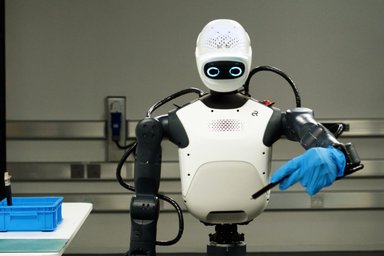
Agile Robots unveils Nvidia-powered humanoid built to learn new skills

13:30
PHP warns website owners to prepare for emergency security updates

14:26
Australia prepares legal action against social media giants over under-16 ban

13:54
You can reserve Tesla’s new Roadster in the UAE for Dh210,000

18:26
Telegram launches Money, its built-in crypto wallet: Here's how it works
19:26
Government websites across Europe go offline over critical PHP flaws
17:37
Agile Robots unveils Nvidia-powered humanoid built to learn new skills
13:30
PHP warns website owners to prepare for emergency security updates
14:26
Australia prepares legal action against social media giants over under-16 ban
13:54
You can reserve Tesla’s new Roadster in the UAE for Dh210,000
18:26
Telegram launches Money, its built-in crypto wallet: Here's how it works
19:26
Government websites across Europe go offline over critical PHP flaws
17:37
Agile Robots unveils Nvidia-powered humanoid built to learn new skills
13:30
PHP warns website owners to prepare for emergency security updates
14:26
Australia prepares legal action against social media giants over under-16 ban
13:54
You can reserve Tesla’s new Roadster in the UAE for Dh210,000
18:26
Telegram launches Money, its built-in crypto wallet: Here's how it works
19:26
Government websites across Europe go offline over critical PHP flaws
17:37
Agile Robots unveils Nvidia-powered humanoid built to learn new skills
13:30
PHP warns website owners to prepare for emergency security updates
14:26
Australia prepares legal action against social media giants over under-16 ban
13:54
You can reserve Tesla’s new Roadster in the UAE for Dh210,000
18:26
Telegram launches Money, its built-in crypto wallet: Here's how it works

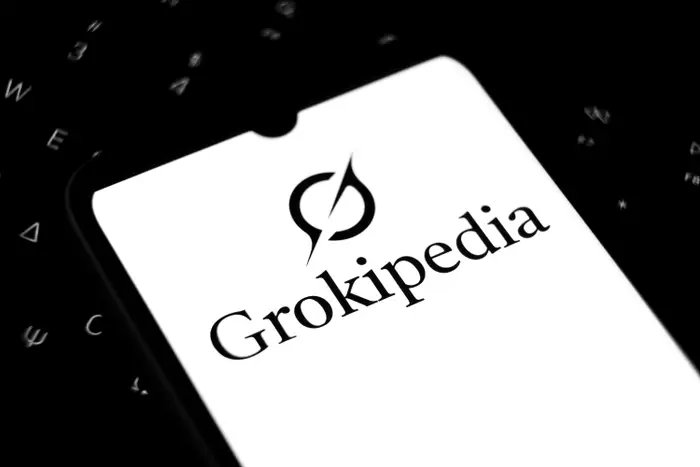
OpenAI’s latest ChatGPT model has started citing the AI-generated encyclopedia Grokipedia when answering a wide range of questions. The Guardian reported this after testing the platform and identifying references to the resource.
During the tests, GPT-5.2 cited Grokipedia nine times across more than 12 different queries. References to Musk’s project appeared in answers about Iran’s political structures, including the revenues of the Basij paramilitary organization, as well as in the biography of British historian Richard Evans.
At the same time, ChatGPT did not cite Grokipedia when directly asked about high-profile or controversial topics, such as the U.S. Capitol attack or the HIV epidemic, areas where the encyclopedia has previously been criticized for spreading inaccurate information. Instead, Grokipedia content tended to surface in responses to more niche or technical questions. Similar references to Grokipedia were also observed in outputs from Anthropic’s Claude model.
 Daria Ivanova
OpenAI said that ChatGPT’s web search is designed to draw from a broad range of public sources and perspectives. The company applies safety filters to reduce risks and provides source attribution through its citation system.
Representatives of xAI, which owns Grokipedia, responded to the inquiry by stating that “legacy media lies.” Disinformation researchers, however, warned that neural networks citing questionable sources could inadvertently legitimize unreliable information, as users may assume that sources referenced by AI systems are trustworthy.
Grokipedia was launched in October 2025 as a competitor to Wikipedia. Unlike traditional encyclopedias, it does not allow direct human editing: all content is generated and updated exclusively by AI models.








Editor’s pick