22:54
Apple unveils MacBook Pro with touchscreen OLED display and Dynamic Island

17:57
Apple’s touchscreen MacBook Pro is coming closer. Here’s what to expect

17:16
Amazon’s new alarm clock tracks breathing to choose when to wake users

12:18
Sony brings 3D anime characters to the desktop without glasses

11:55
Discord will open public discussions to Google search

17:46
Apple upgrades the 14-inch MacBook Pro with M6 and its fastest CPU core yet
22:54
Apple unveils MacBook Pro with touchscreen OLED display and Dynamic Island
17:57
Apple’s touchscreen MacBook Pro is coming closer. Here’s what to expect
17:16
Amazon’s new alarm clock tracks breathing to choose when to wake users
12:18
Sony brings 3D anime characters to the desktop without glasses
11:55
Discord will open public discussions to Google search
17:46
Apple upgrades the 14-inch MacBook Pro with M6 and its fastest CPU core yet


Apple has introduced its first MacBook Pro models featuring PROLED XDR touchscreen displays and Dynamic Island.
The new laptops come in 14-inch and 16-inch sizes, powered by the M5 Pro or M5 Max chips.
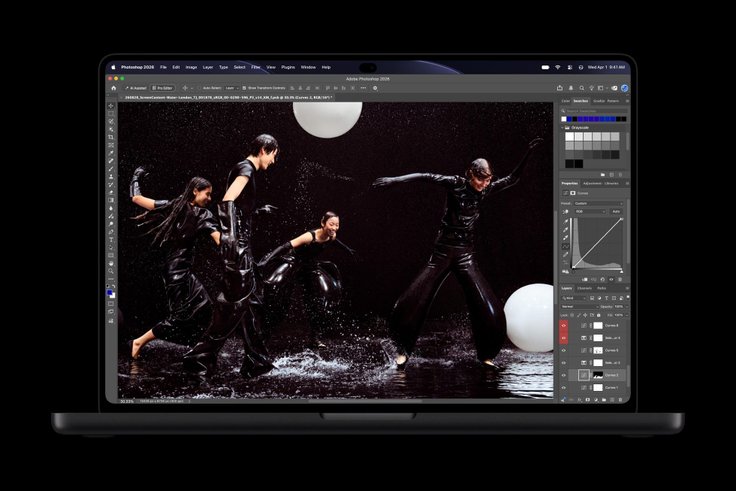
Dual-layer OLED display and touch controls
The PROLED XDR display uses two layers of self-emissive OLED pixels. The screens measure 14.2 and 16.3 inches diagonally, with resolutions of 3024 × 1986 and 3472 × 2266 pixels, respectively.
ProMotion delivers an adaptive refresh rate ranging from 10Hz to 120Hz. Apple claims a 10,000,000:1 contrast ratio, support for the P3 and Adobe RGB color spaces, and anti-reflective and oleophobic coatings. A nano-texture finish is available as an option.
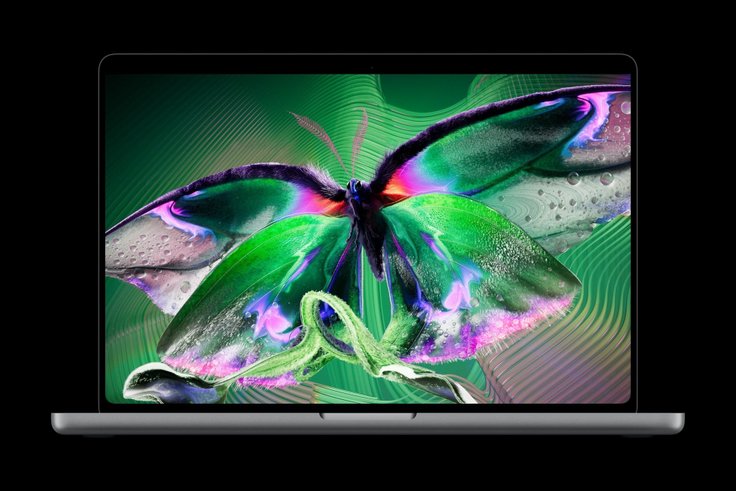
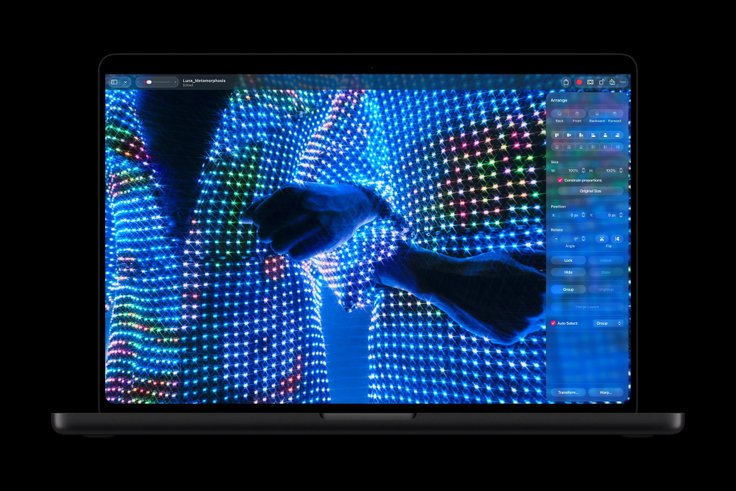
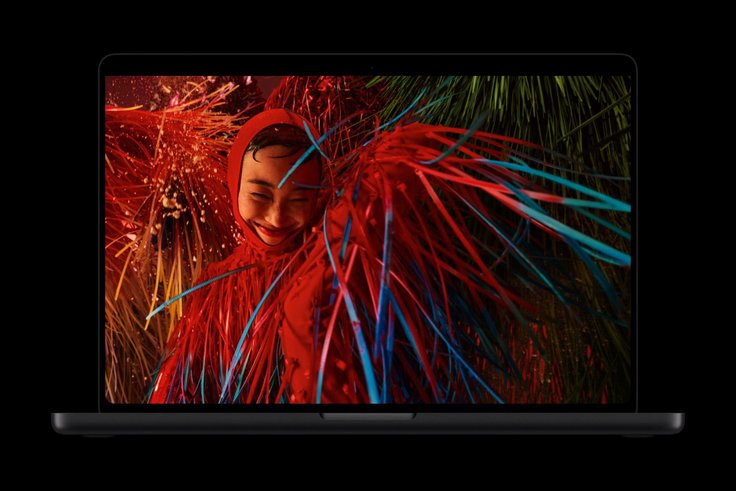
Peak brightness reaches 2,000 nits for HDR content and SDR use outdoors, while sustained full-screen brightness tops out at 1,000 nits.
Touch controls allow users to scroll through pages, zoom in on photos, draw and play virtual instruments. Many existing applications already work with touch input, with macOS translating taps into mouse clicks.
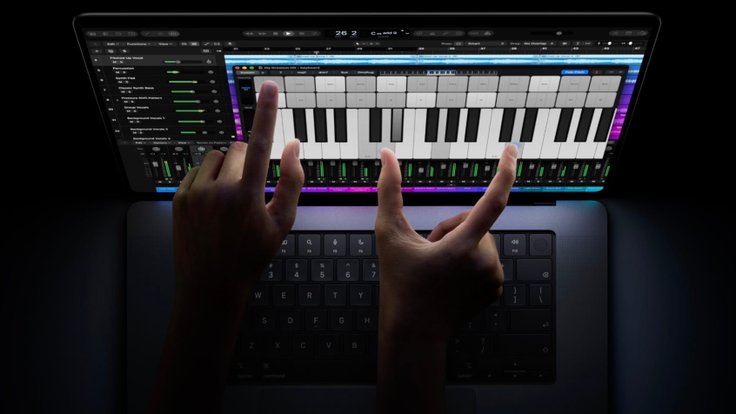
Touch-optimized versions of Word, Lightroom, Blender and other applications are expected by the end of the year.
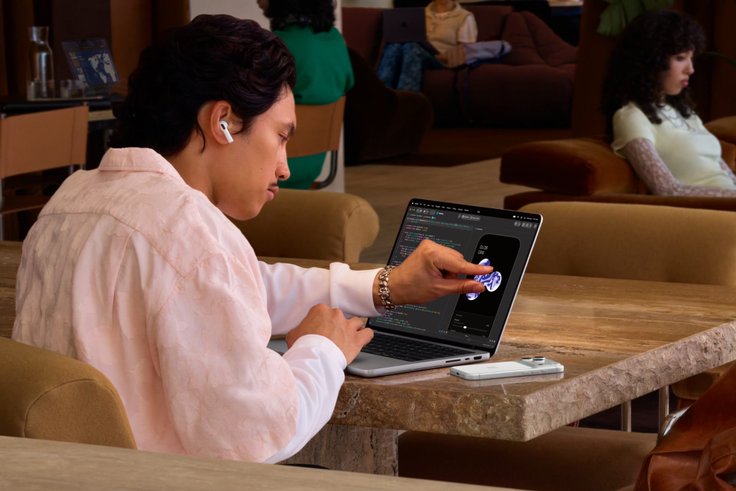
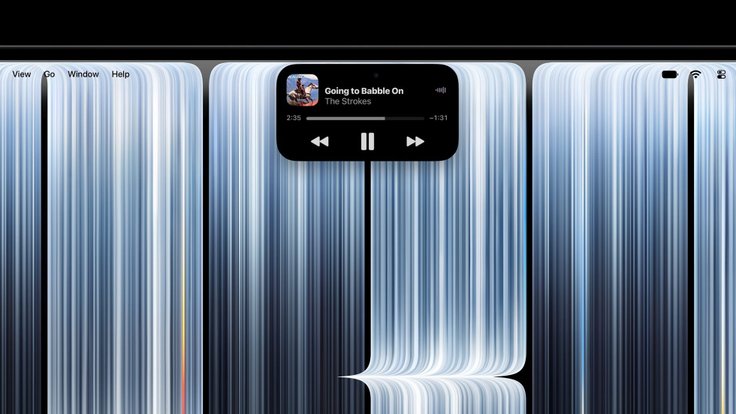
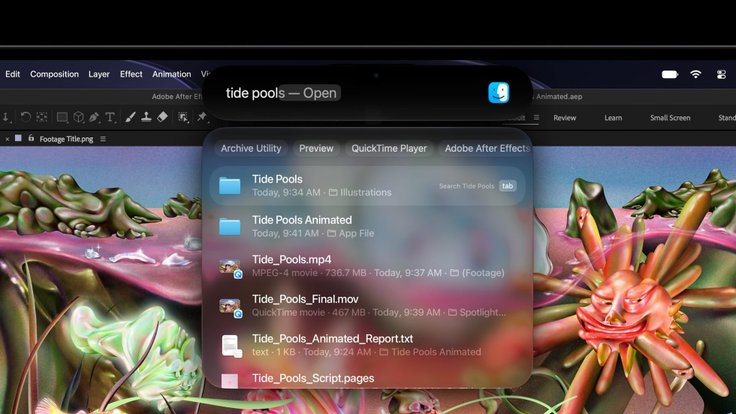
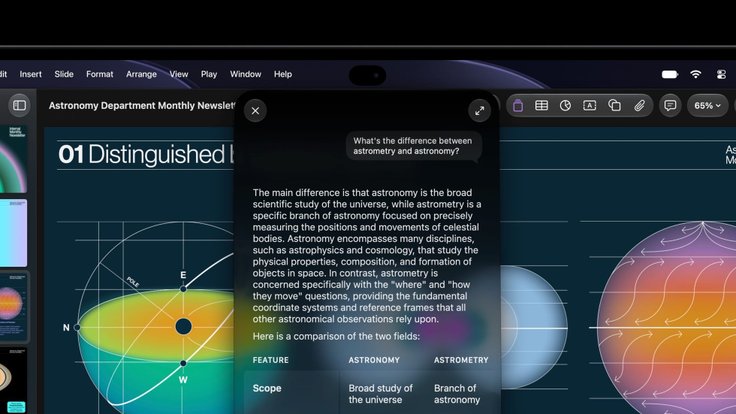
Dynamic Island displays Live Activities, music controls and Siri AI. Spotlight appears in Dynamic Island only when Siri AI is available and enabled.
Lighter design and multiple configurations
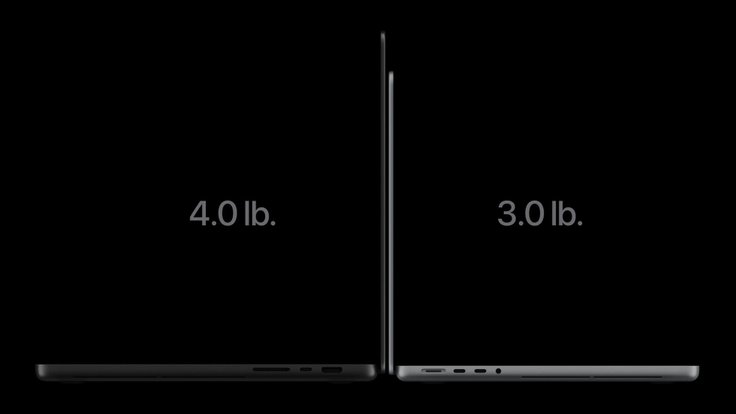
The 14-inch model measures 15mm thick and weighs between 1.38kg and 1.40kg, depending on the chip. The 16-inch version is 16mm thick and weighs between 1.82kg and 1.84kg. Apple has redesigned the cooling system and hinge, while camera stabilization helps reduce video shake when users interact with the touchscreen.
According to Apple's specifications, the entry-level 14-inch MacBook Pro features a 15-core CPU and 16-core GPU. A higher-end M5 Pro configuration offers an 18-core CPU and 20-core GPU and is also used in the 16-inch model. The M5 Max comes with an 18-core CPU and either a 32-core or 40-core GPU.
Unified memory is capped at 48GB for the entry-level M5 Pro and 64GB for the version with a 20-core GPU. The maximum 128GB configuration is exclusive to the M5 Max with a 40-core GPU. SSD storage ranges from 1TB to 4TB on M5 Pro models and from 2TB to 16TB on M5 Max versions.
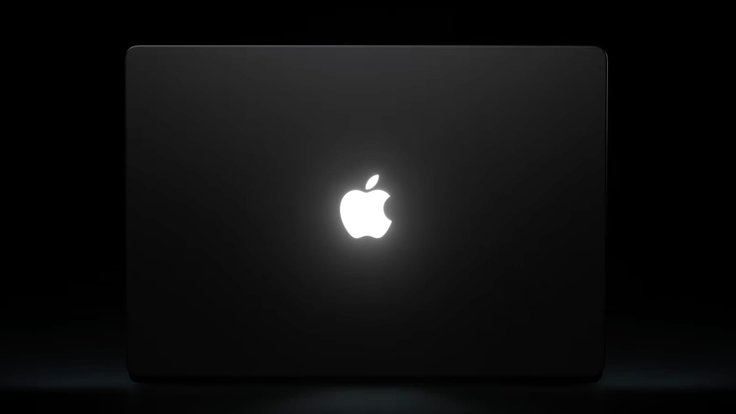
Perhaps the most notable change: the Apple logo on the lid lights up again.
Ports, audio and battery life
The laptops feature three Thunderbolt 5 ports supporting speeds of up to 120Gbps, along with HDMI, an SDXC card slot, MagSafe 3 and a headphone jack. The M5 Pro supports up to three external 6K displays at 60Hz, while the M5 Max supports up to four. Apple's N1 chip adds Wi-Fi 7, Bluetooth 6 and Thread connectivity.
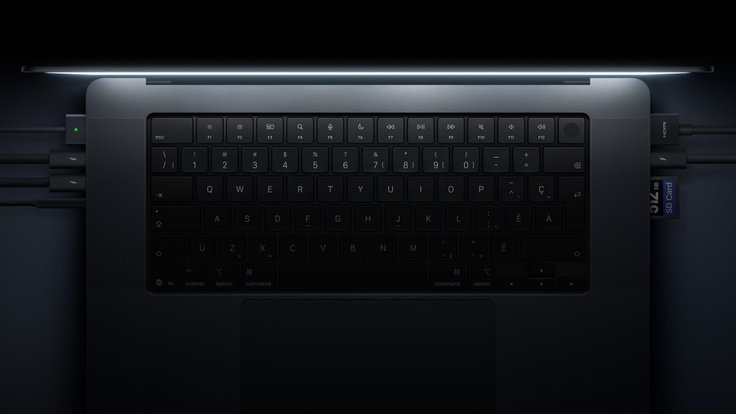
The 12MP Center Stage camera supports Desk View. The six-speaker system features redesigned woofers and dedicated audio tuning for use with the lid closed.
According to Apple's battery tests, the 14-inch M5 Pro and M5 Max models deliver up to 22 and 20 hours of video streaming, respectively. The 16-inch versions offer up to 24 and 22 hours.
Fast charging can bring the battery to 50% in approximately 30 minutes using a power adapter rated at 96W or higher for the 14-inch model and 140W for the 16-inch version. The entry-level 14-inch model with a 15-core CPU includes a 70W adapter, while other 14-inch configurations come with a 96W adapter. All 16-inch models include a 140W adapter.
Pricing and availability
Preorders opened October 28 in 30 countries and regions, with retail availability beginning November 6. US starting prices are as follows:
| Model | M5 Pro | M5 Max |
|---|---|---|
| 14-inch | From $2,899 | From $4,499 |
| 16-inch | From $3,399 | From $4,799 |
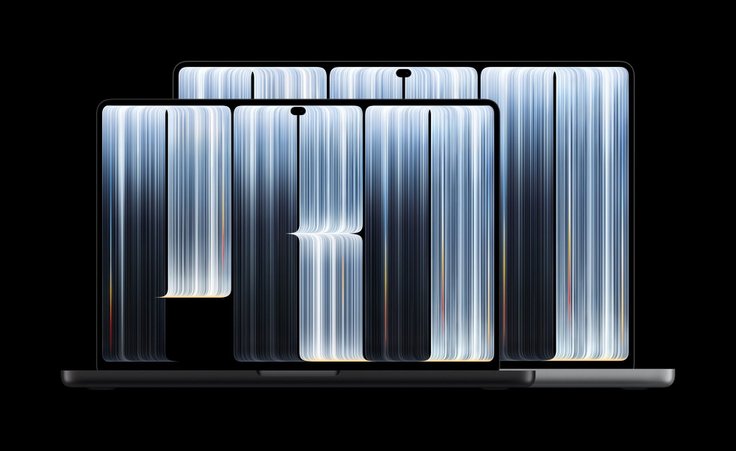
The laptops are available in Space Black and Silver. MacBook Pro models with conventional Liquid Retina XDR displays will remain on sale.
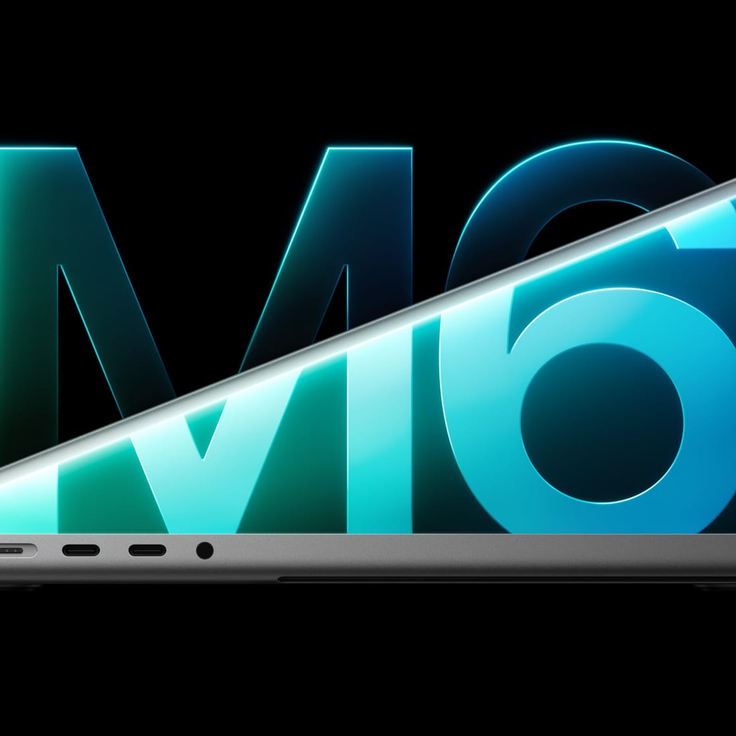
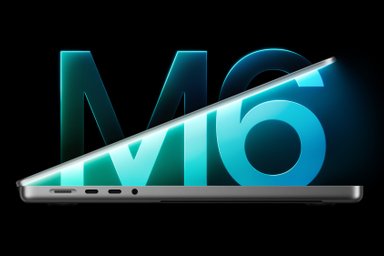
A day earlier, Apple introduced the standard 14-inch MacBook Pro powered by the M6 chip, starting at $1,999.
 Daria Ivanova







Editor’s pick