US companies are turning to cheaper Chinese AI models as costs rise
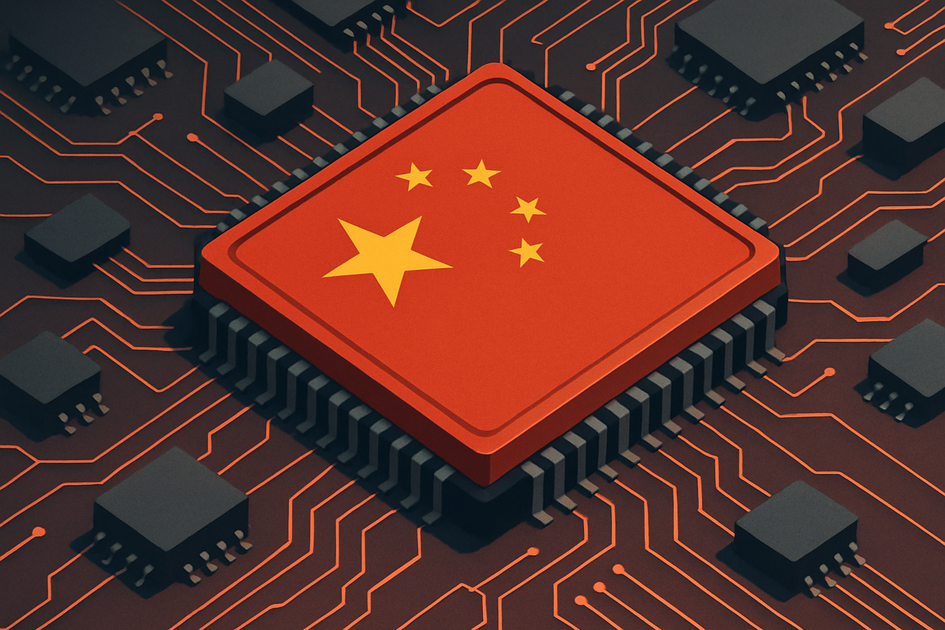
US companies are increasingly turning to cheaper Chinese AI models as the cost of using leading systems from OpenAI and Anthropic continues to rise.
According to CNBC, recent models from DeepSeek, Z.ai, and other Chinese developers are increasingly seen as competitive with leading US systems while costing significantly less. Their growing adoption has coincided with higher token prices at major American AI labs.
The shift is visible in data from OpenRouter, a platform that gives developers access to AI models from multiple providers through a single interface. Since February 8, Chinese models have accounted for more than 30% of the tokens used by US companies on the platform every week, rising to as much as 46% in some weeks. A year earlier, the average was just 11%, while in the first half of 2025 it stood at only 4.5%.
Much of the appeal comes down to cost, as open Chinese models can be 60% to 90% cheaper to run than leading models from Anthropic and OpenAI. In June, AI startup Lindy moved all of its traffic from Claude to DeepSeek and expects the switch to save the company millions of dollars.
At the same time, the difference in performance is becoming smaller. Z.ai’s GLM 5.2 scored just one percentage point below Claude Opus 4.8 on a major benchmark for AI agents while costing five times less. Analysts at Brookings estimate that leading Chinese models are now only six to nine months behind the best US systems.
Most companies are not replacing American models entirely, however, because token prices are only one part of the decision. Security and data protection remain major concerns, so Chinese models are more commonly used for less sensitive tasks such as coding, translation, and summarization rather than as complete replacements for US systems. Claude and ChatGPT still lead in usage on platforms serving regulated industries.
Interest in Chinese models has also grown amid concerns about how reliably companies can access US AI systems. In June, Anthropic temporarily suspended access to its two most powerful models, Mythos and Fable, outside the United States at the request of the US Commerce Department. The restrictions were later lifted, but the episode created an uncomfortable precedent for businesses relying on American AI providers.
China, meanwhile, may be considering restrictions of its own. Beijing is reportedly weighing limits on foreign access to its most advanced AI models, while the country’s Ministry of Commerce has spent the past month meeting with representatives from Alibaba, ByteDance, and Z.ai to discuss protecting AI technologies that the government increasingly views as strategic national assets.