Trump is preparing sweeping tariffs on chips and electronics
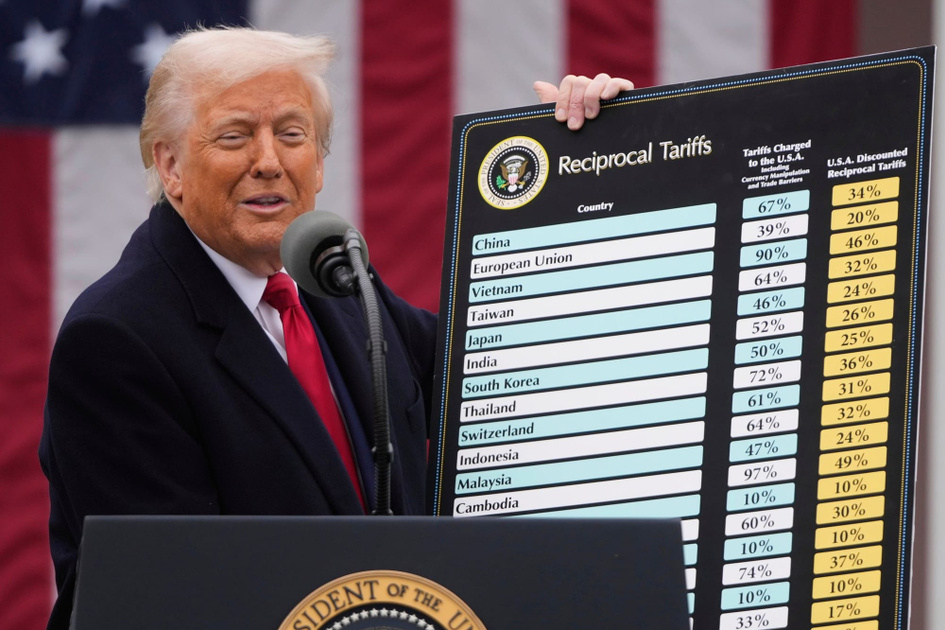
The Trump administration is considering a new round of sweeping tariffs on imported semiconductors that could also apply to a wide range of consumer electronics, Politico reports.
One proposal would extend the tariffs beyond individual chips to finished consumer and enterprise hardware containing them, including laptops, gaming consoles, TVs and data center servers. US Commerce Secretary Howard Lutnick has proposed tying tariff exemptions for foreign suppliers to direct investment in semiconductor manufacturing facilities in the United States.
The tech industry is warning that the plan could have far-reaching consequences. Despite billions of dollars being invested in new US factories, including TSMC’s facilities in Arizona, the country remains heavily dependent on Asian suppliers. Taiwan alone produces more than 90% of the world’s most advanced chips.
Building new semiconductor fabs takes years. A sharp increase in component costs could slow the expansion of AI data centers and raise production costs for companies including Nvidia, Apple and AMD.
Although the tariffs would target imports into the US, their effects could spread through global supply chains and affect electronics prices worldwide.
- Higher production costs. US and international companies could pass some of the additional manufacturing and supply-chain costs on to customers worldwide.
- More expensive consumer electronics. Laptops, PC components and gaming consoles from companies including Sony, Microsoft and Apple, as well as Taiwanese manufacturers, could become more expensive at the wholesale level.
- US companies could become less competitive overseas. Companies such as Apple could face higher costs than foreign rivals that can buy the same chips without paying US tariffs. The policy could also encourage allied semiconductor suppliers to seek more business in China.
The impact on global prices could also move in the opposite direction if higher prices weaken demand in the US and manufacturers redirect excess inventory to other markets. Under WTO methodology, weaker demand in the world’s largest economy could put downward pressure on prices elsewhere.