Nvidia CEO dismisses AI doomsday fears as 'complete nonsense'
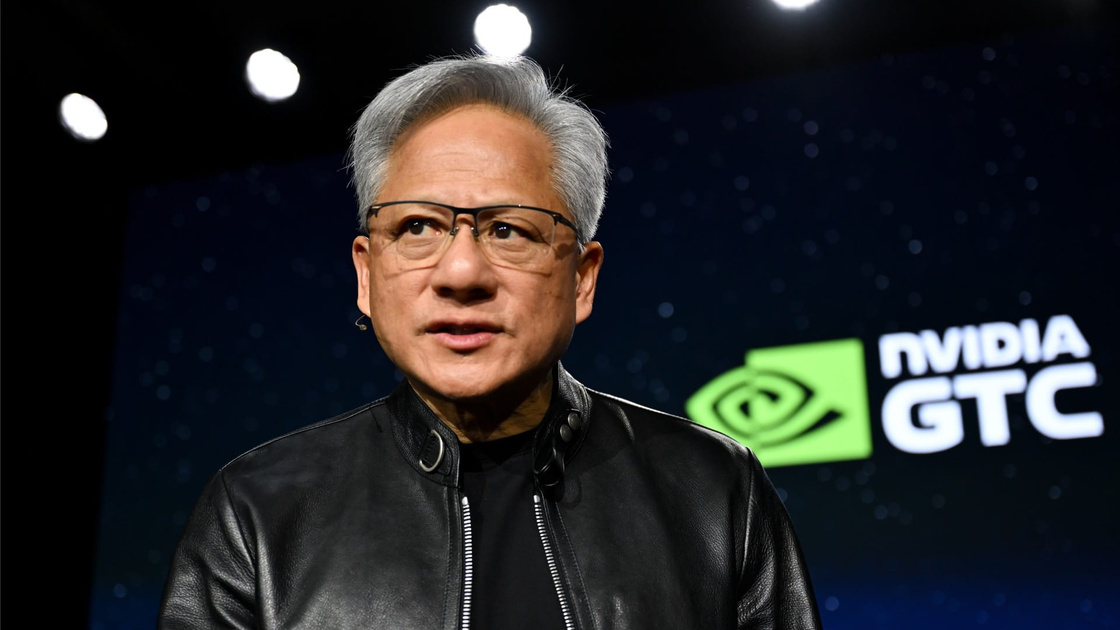
Nvidia CEO Jensen Huang has pushed back against growing fears surrounding artificial intelligence, dismissing some of the industry's most common warnings.
Speaking to Axios, Huang dismissed two widely repeated claims: that AI could lead to humanity's extinction and that it will eliminate half of all jobs in the United States. In his view, real-world evidence so far suggests the opposite.
Huang argues that AI replaces tasks, not entire professions. A software engineer, for example, may spend less time writing code, but their real job is solving problems, connecting ideas, and identifying new opportunities. Meanwhile, demand for software continues to grow. Huang said the world needs not billions but trillions of lines of code, while hiring data still points to rising demand for developers. The difference is that AI can increasingly handle the coding itself.
The Nvidia chief believes the biggest risk is not the technology, but the way it is portrayed. He warned that if the public is convinced by science-fiction scenarios, people may avoid using AI altogether — and that, rather than a hypothetical machine uprising, would cause real harm. Huang also criticized industry leaders who assign probabilities to existential AI disasters, dismissing claims such as a "20% chance AI wipes out humanity" as detached from reality. He accused some executives of having a "god complex" and urged policymakers in Washington to seek advice from a broad range of scientists instead of relying on a handful of tech CEOs when shaping AI regulation.
His remarks also directly contradict Anthropic CEO Dario Amodei, who has warned that AI could eliminate up to half of entry-level white-collar jobs in the coming years. Huang rejects that prediction.
Huang's position also reflects Nvidia's role in the AI industry. As one of the biggest winners of the AI boom, the company has a clear interest in the technology's continued adoption. At the same time, many of the industry's most alarming warnings have come from AI executives themselves, leading critics to argue that apocalyptic rhetoric can also help generate interest in AI products. The long-term impact of AI on employment, however, remains uncertain.