Huawei’s chief scientist warns Nvidia is nearing the limits of chip scaling
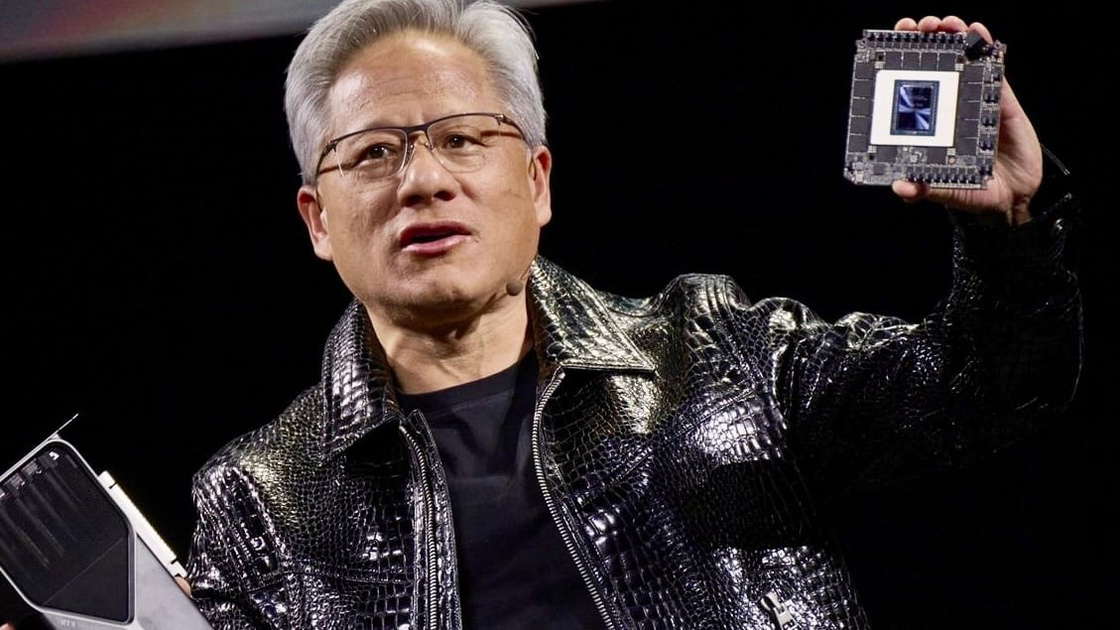
Huawei’s chief scientist Liao Heng has warned that Nvidia’s current approach to building increasingly powerful chips is approaching a physical limit, Bloomberg reports, citing a four-hour interview with the researcher.
Liao argued that the semiconductor industry cannot continue shrinking chips indefinitely. Nvidia is currently building increasingly large processors with vast amounts of memory, but he said this approach will eventually run into fundamental physical constraints.
Traditional chipmakers including TSMC and Intel will face similar barriers as transistor sizes continue to shrink, according to Liao. Huawei faces an additional challenge because US sanctions have restricted its access to advanced semiconductor technologies, forcing the Chinese company to explore alternative approaches.
One of those approaches is what Huawei calls the Tau Scaling Law, which focuses on increasing the speed of data transfer between different components of a computing system rather than relying primarily on more advanced individual chips.
Huawei is also preparing to introduce its first smartphone chip based on a technology called LogicFolding, which is designed around the same broader effort to extract more performance from constrained hardware.
Liao compared the AI industry to an 18-story pagoda and argued that Chinese technology companies will need to cooperate more closely across different layers of the computing stack. He also praised DeepSeek for developing advanced AI models with relatively limited computing resources.
The scientist compared China’s position to furnishing a small apartment while competitors have spacious villas. In his view, smarter system design and tighter integration could help Chinese companies compensate for their limited access to cutting-edge computing hardware.