Google's new Pixel feature could keep track of what users hear throughout the day
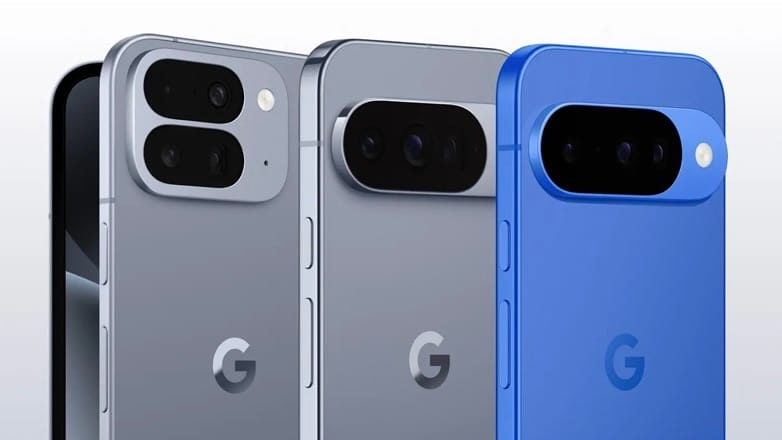
Google is working on a new Pixel feature called Audio Memory that could keep track of what users hear throughout the day, from music playing nearby to important conversations, according to 9to5Google.
The feature, codenamed blueflax, was discovered in a recent version of Android System Intelligence for the upcoming Pixel 10. References found in the app's code suggest that Audio Memory will help users "keep track of what you hear throughout your day."
The feature description specifically mentions music playing around the user as well as important conversations. However, it remains unclear exactly how conversation tracking would work in practice.
- One possibility is that Audio Memory could function as an AI-powered recorder, continuously capturing nearby conversations, generating transcripts, and creating notes automatically.
- Similar approaches are already used by dedicated note-taking devices and meeting transcription apps.
- A more limited implementation could restrict the feature to audio from calls made through supported applications, such as the default Phone app.
- Audio Memory is also believed to operate as a background audio-listening service, while its interface may appear within other Pixel experiences such as Now Playing or a dedicated new app.
- According to the code, data processing would take place on-device through Android's Private Compute Core, an isolated environment designed for privacy-sensitive workloads.
Audio Memory is also expected to work alongside Google's existing Now Playing feature, which identifies music playing nearby. Another addition would automatically include songs heard or played in other apps within the user's listening history.
Music recognition relies primarily on an on-device song database. If a track cannot be identified locally, a short digital fingerprint may be sent to Google for cloud-based matching. According to the company's descriptions, conversations and other background audio are not uploaded to Google.
Users will also reportedly be able to choose which apps Audio Memory can access for music recognition.
Google has not officially announced Audio Memory. As with many features discovered through application code, it could change significantly before launch — or never be released at all.