Bill Gates calls for “Human Reserved” jobs and taxes on AI tokens
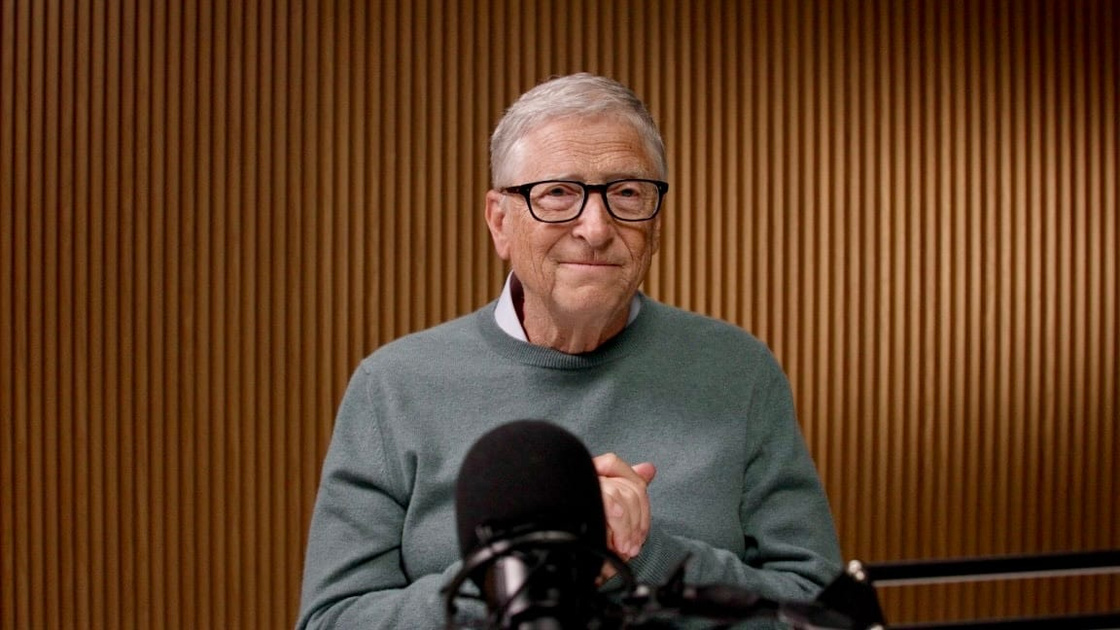
Microsoft co-founder Bill Gates is urging governments to decide which jobs and tasks should remain in human hands as AI becomes more capable.
In a roughly 6,000-word essay published on Gates Notes, Gates describes these roles as “Human Reserved.” The Financial Times reports that he sees the current response from world leaders as inadequate, arguing that AI will touch nearly every area of public policy and require a much broader government response. He compares the scale of the institutional changes needed to those that followed the September 11 attacks.
Gates explains the idea by comparing it to a nature reserve.
I like the phrase Human Reserved because it makes me think of nature reserves—places where we could put buildings and roads, but we choose not to because the loss would be too great.
Healthcare is one example. A robot may technically be capable of telling a patient they have a terminal illness, Gates argues, but that does not mean it should. He sees two versions of “Human Reserved” work. Some jobs could remain exclusively human permanently, while others could be protected temporarily to give workers who are too far into their careers to retrain more time to adjust.
Childcare and jury duty are among his clearest examples. Education and medicine would likely become hybrid fields, with people working alongside AI.
Gates also argues that today’s tax system can encourage companies to replace workers with machines. Hiring an employee comes with payroll taxes, while spending on a robot can be treated as a business expense. One possible response, he writes, would be to “tax AI tokens and robots” and use the revenue to fund retraining programs and strengthen the social safety net.
He expects “smart” robots to begin competing with humans for physical jobs in areas such as construction and services by the end of the decade, despite today’s viral videos of robots “dancing badly.”
Gates warns that many jobs will “disappear forever,” with entry-level and mid-level roles particularly exposed. New jobs created by AI may require skills that take years to develop.
AI will either be the greatest equalizer ever invented, or the worst source of injustice.
He adds that he has yet to see enough evidence that political leaders and experts are adequately preparing for those risks.
Gates also calls for international coordination, including cooperation with China, and highlights cybersecurity as another major concern. His essay comes amid growing debate over AI’s impact on employment and the wider economy. OpenAI and Anthropic have also called for new government strategies, while Anthropic research has found that AI could take on a significant share of tasks across finance, management, IT and legal work.