Apple's first smart glasses may ditch video recording over privacy concerns
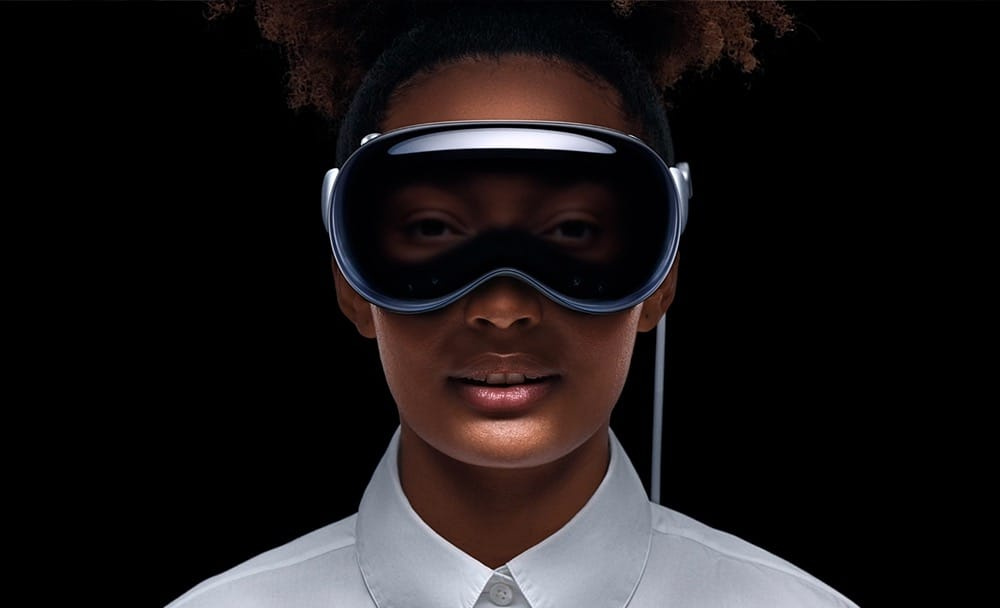
Apple is planning to unveil its first pair of smart glasses at WWDC 2027 in June, according to Bloomberg's Mark Gurman in the latest edition of his Power On newsletter.
The device is expected to go on sale before the end of the year. The project, codenamed N50, was originally scheduled to be announced in 2026 and launched in early 2027.
- One reason for the delay is Apple's work on features and policies designed to address privacy concerns surrounding smart glasses.
- Apple has explored multiple approaches. The company reportedly built a prototype without cameras altogether and also discussed a version with cameras capable of analyzing the surrounding environment without allowing users to capture photos or record videos.
- According to Gurman, teams working on the glasses across Apple's Vision division and other groups consider privacy their top priority.
"Meta deserves credit for creating the first commercially successful smart-glasses category, but its long-running reputation for not protecting privacy — fair or not — has become baggage for the market.
The result is that some consumers remain uneasy around people wearing camera-equipped glasses, unsure whether they’re being recorded during conversations at work, restaurants or other public places. In most cases, those fears are probably unfounded.
But years of headlines about Meta’s privacy practices, viral social media posts and broader skepticism toward always-available cameras have left many people wary of the category", — writes Gurman.
According to Gurman, Apple's final product will likely rely heavily on on-device processing, avoid facial recognition, and refrain from using customer recordings to train its AI models.
The company is also testing a range of new hardware and software privacy features that are not available in its current products.
"Even with those safeguards, Apple knows it won’t eliminate abuse entirely. The company’s AirTags, launched in 2021, provide a lesson here. Though they were designed to help customers locate belongings, AirTags quickly became associated with stalking.
Likewise, camera-equipped glasses will inevitably be misused by some people. And Apple will likely need to spend years updating software, refining policies, and working with regulators and law enforcement to combat problems — just as it did with AirTags", — writes Gurman.
Gurman believes Apple's smart glasses could become a compelling product if the company gets the execution right. They are expected to offer access to Siri, music playback, phone calls, and all-day battery life.
AI features could also describe the user's surroundings and assist with navigation. However, Gurman says Apple's AI technology is not yet strong enough to serve as the defining feature of an entirely new product category, making an AI-only version of the glasses unlikely.
"Apple is entering one of the most important product cycles in its history. The wave of devices coming in 2027 will include the 20th anniversary iPhone, a second-generation foldable handset, new home devices, upgraded AirPods and fresh Macs. The last thing the company wants is for privacy concerns to overshadow that lineup", — concludes Gurman.