Why Apple left Jony Ive out of its lawsuit against OpenAI
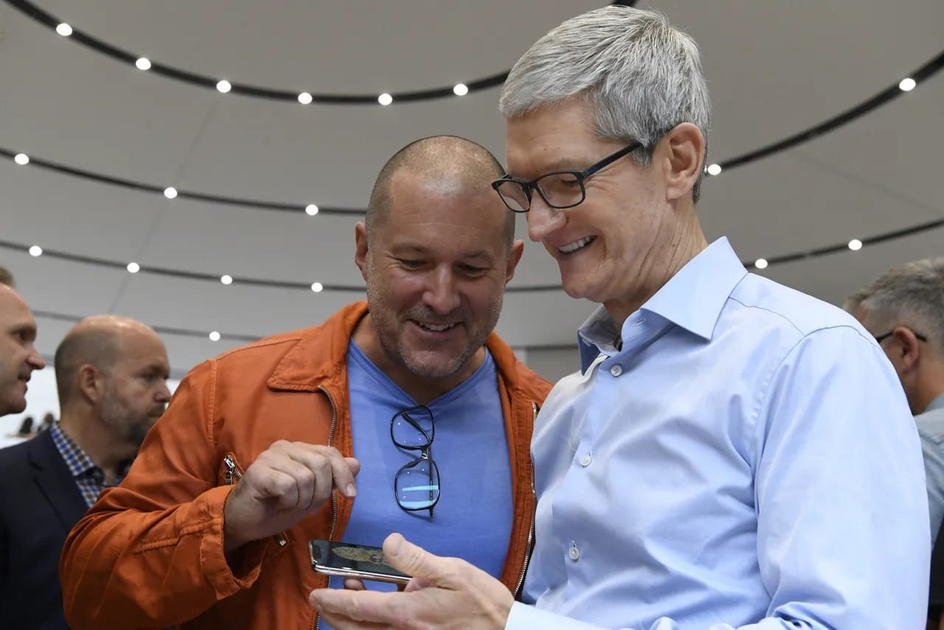
Apple did not mention former Chief Design Officer Jony Ive in its lawsuit against OpenAI, even though he now leads the development of the ChatGPT maker's future hardware.
That's according to Bloomberg's Mark Gurman in the latest edition of his Power On newsletter.
Apple's lawsuit targets OpenAI's hardware division, accusing former Apple employees of stealing trade secrets and poaching talent. More than 400 former Apple employees now work at OpenAI, while former Apple executive Tang Tanhas become one of the leaders of the company's hardware efforts.
- Despite that, Ive is never mentioned in the roughly 40-page complaint, which instead refers only to a group of "former Apple leaders."
- The most likely explanation is that Apple found no evidence linking Ive to the alleged misconduct.
- Gurman also suggests Apple may have wanted to avoid turning the case into a public dispute with one of Steve Jobs' closest collaborators.
Ive also remains a close friend of Laurene Powell Jobs, who maintains ties with Apple's leadership and previously invested in io Products, the startup later acquired by OpenAI.
"With Powell Jobs caught in the middle of a fight between the tech giant and an effort her closest friend is helping lead, it seems likely that Apple pondered the implications of naming Ive in its complaint," Gurman writes.
He also argues that publicly accusing the renowned designer could have generated sympathy for Ive while making Apple appear motivated by old grudges rather than the protection of trade secrets.
"There was little to gain from publicly dragging one of Steve Jobs' closest collaborators into the dispute — particularly if doing so risked straining one of Apple's most important relationships.
There are other dynamics as well. While Ive is the face of OpenAI's hardware effort and its visionary, he isn't deeply involved in the day-to-day work of recruiting, engineering or operations.
That makes it less likely he would have participated in the conduct that the suit alleges, such as coaching recruits on how to bypass security measures or asking prospects to bring Apple hardware to interviews for so-called show-and-tell sessions," Gurman concludes.
OpenAI denied the allegations, saying it has no interest in other companies' trade secrets and remains focused on building its own technology.