Bloomberg: iPhone prices could rise later this year
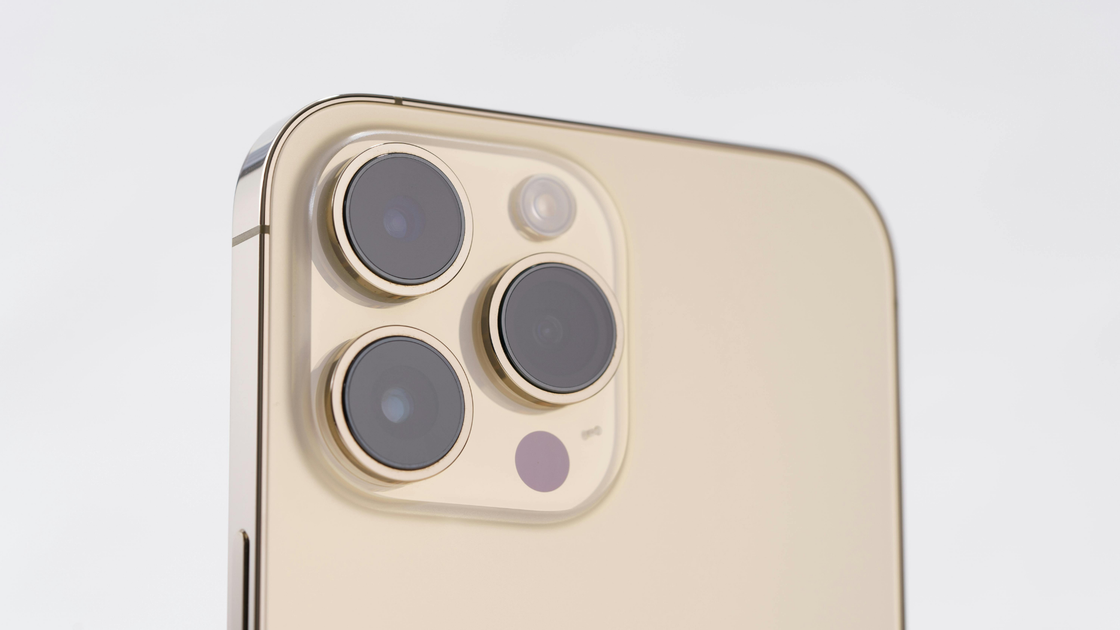
After raising prices across Macs, iPads, and several home devices, Apple could increase iPhone prices later this year as well, according to Bloomberg's Mark Gurman.
Gurman argues that the recent price increases are not a temporary spike but the beginning of a longer-term shift driven by the AI boom, which has pushed up the cost of memory and advanced chips.
According to Gurman, Apple raised prices at a time when it had spent years trying to make its products more affordable. Until recently, the company offered entry-level devices such as the $599 MacBook Neo, the $349 iPad, and the Mac mini to appeal to students, budget-conscious buyers, and emerging markets. Now, the MacBook Neo is up 17%, the MacBook Air 18%, the base iPad 29%, and the iPad Air 25%, while some home devices have increased in price by more than 50%.
Why Apple raised prices
According to Gurman, the main reason is the AI boom. Data center operators and AI companies are spending heavily on servers, Nvidia GPUs, advanced memory, and storage, driving up demand for key components, disrupting supply chains, and increasing costs across the electronics industry.
Gurman says Apple did everything it could to avoid raising prices. The company's sales, procurement, and finance teams reportedly spent months trying to absorb the higher component costs, but eventually doing so became unsustainable without significantly affecting margins. As a publicly traded company, Apple is ultimately expected to protect its profitability.
There’s a bit of irony here as Apple itself has never embraced the kind of AI strategy driving these costs. The company has long focused on running as many AI workloads as possible directly on users' devices and only recently expanded its cloud infrastructure to support the new Siri AI. The more processing happens on-device, the less Apple depends on massive, power-hungry, and increasingly expensive data centers. Gurman argues that services such as ChatGPT and Claude have undoubtedly made tasks like coding, writing, and editing easier, but ordinary consumers are now beginning to bear some of the costs of the AI boom.
Apple is not the only company under pressure. Gurman notes that Microsoft, perhaps encouraged by Apple's decision, raised Xbox prices for the third time in roughly a year just hours later. But because of Apple's enormous customer base, rising AI infrastructure costs are no longer just an industry issue — they are increasingly affecting everyday consumers.
iPhone prices could be next
Although iPhone prices remain unchanged for now, Gurman expects them to increase later this year. He believes the iPhone will be affected less than Macs or iPads because demand remains strong and smartphones are generally less price-sensitive.
He also highlights Apple's home devices, where some of the biggest increases have already occurred. Apple TV is now 54% more expensive, HomePod mini is up 30%, and Vision Pro has risen by around 6%. According to Gurman, this makes them less competitive against lower-priced alternatives from Amazon and Google. One possible explanation is that Apple is preparing updated versions of Apple TV and HomePod mini with more memory to support Siri AI and has already started reflecting those higher costs in pricing.
Gurman compares this to Apple's strategy two decades ago, when the company secured a large share of the world's flash memory supply for the iPod nano, driving prices higher across the industry. This time, he argues, consumers should view rising electronics prices as part of a lasting shift rather than a temporary fluctuation.