Anthropic CEO says China could complicate efforts to slow AI development
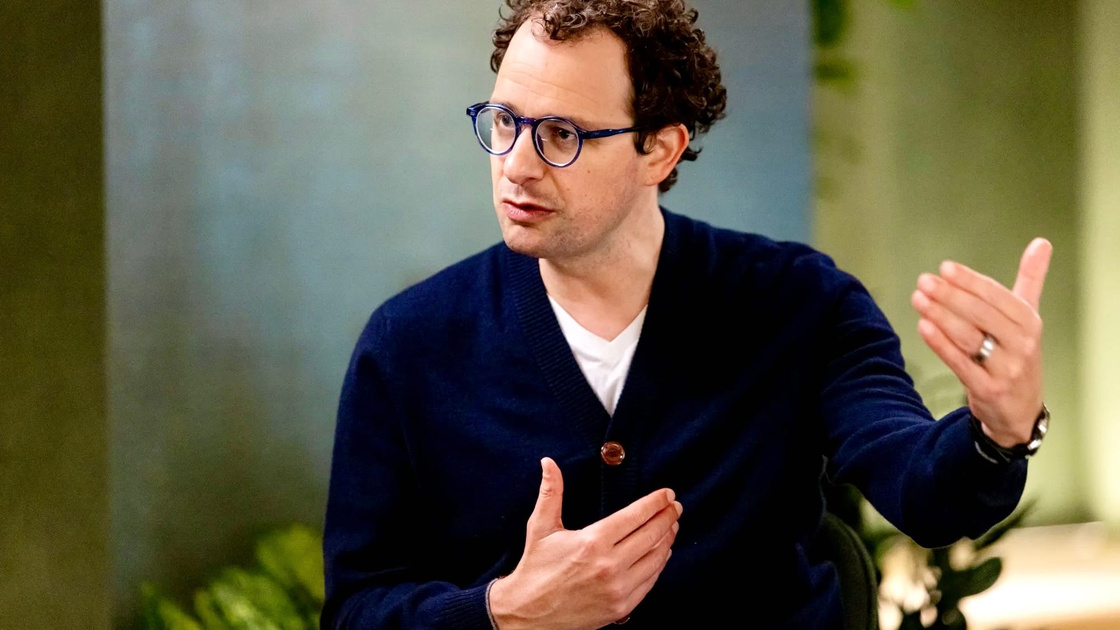
Anthropic CEO Dario Amodei says efforts to slow the development of advanced AI could run into a geopolitical problem, with rivals — particularly China — having little incentive to accept limits if faster progress offers a military advantage, CNBC reports.
Amodei made the comments on CBS News’ Sunday Morning. He said countries should eventually try to agree on a global “speed limit” for AI development, though he acknowledged that reaching such a deal would be difficult because the incentives to move faster than competitors are so strong. He compared the idea to nuclear arms-control agreements with the Soviet Union, while stressing that he is unsure whether a similar framework for AI is achievable.
“The more long-term thing would be working together to put a speed limit on the rate of of AI progress. I think that’s going to be very difficult because the incentives to pull ahead and the military advantage that you get from that are so large. And honestly, I don’t know if it’s possible, but we should we should try.”
The remarks follow an essay in which Amodei called on AI companies to slow improvements to their most advanced models, citing warnings from researchers that increasingly capable systems could pose catastrophic risks. According to Amodei, Anthropic has already taken the first unilateral step in that plan by opening the company to outside experts for independent reviews of its safety practices.
At the same time, Chinese AI startups are continuing to improve their models and compete with OpenAI and Anthropic. At the BRICS summit in India, Chinese President Xi Jinping called for a global AI governance framework based on international consensus and said China would support the development of an open-source AI community within the bloc.
Other industry leaders have also publicly backed the idea of slowing the pace of frontier AI development. OpenAI CEO Sam Altman, despite his long-running rivalry with Amodei, has supported the need to “pace the frontier.” Google DeepMind CEO Demis Hassabis said the direction was broadly right but needed further work, while Elon Musk called for external oversight and “Peer review of AI by competitors.”
Both Anthropic and OpenAI are also preparing for possible IPOs, though neither company has announced a timetable. Altman has said OpenAI is unlikely to go public this year, with safety concerns among the factors behind that decision.